
CMRT Organ Adjusting San Antonio — Pura Vida Chiropractic
CMRT — Chiropractic Manipulative Reflex Technique — is the organ-adjusting branch of Advanced SOT. At Pura Vida Chiropractic, Dr. Dan Foss is the only CMRT-certified practitioner in San Antonio.
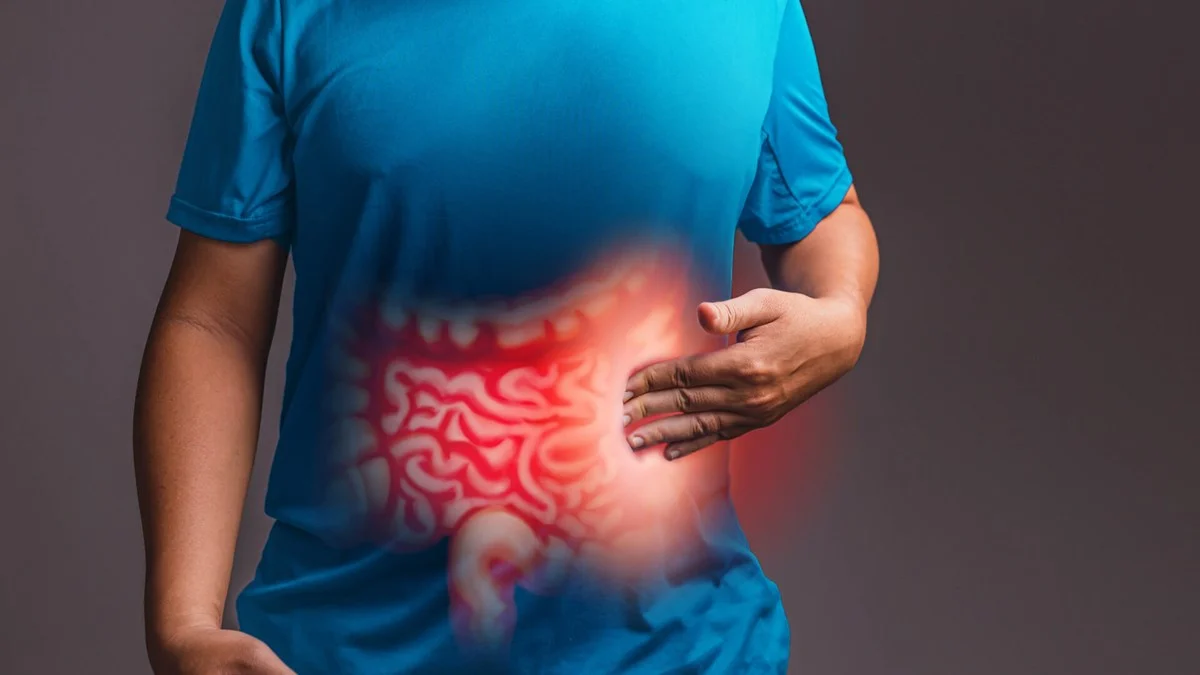
If you have been adjusted for the same spinal problem for months — or years — and the relief never seems to last, there is a reason. And it is not that chiropractic does not work. It is that nobody has looked at the organ driving your vertebra back into subluxation. That is exactly what CMRT addresses. And in San Antonio, Dr. Dan Foss at Pura Vida Chiropractic is the only practitioner certified to perform it.
What Is CMRT?
CMRT stands for Chiropractic Manipulative Reflex Technique. It is the organ-adjusting branch of Advanced Sacro Occipital Technique (SOT) — a whole-body system developed by Dr. M.B. DeJarnette, a chiropractor and osteopath who spent decades mapping the relationships between the spine, pelvis, cranium, and internal organs.
CMRT is Pillar 2 of the three-pillar Pura Vida Protocol. It works through three distinct pathways working in concert:
- Direct organ contacts — gentle sustained pressure applied to specific visceral regions
- Chapman's neurolymphatic reflex points — anterior and posterior body-surface landmarks that become tender when a corresponding organ is under stress
- Spinal correction — adjusting the specific vertebra that shares an autonomic nerve connection with the stressed organ
The foundational insight of CMRT is anatomically precise: every thoracic and lumbar vertebra has a direct autonomic nerve connection to a specific internal organ. That connection runs in both directions. A subluxated vertebra reduces nerve signaling to its corresponding organ. And a chronically stressed organ sends signals that keep its corresponding vertebra in subluxation. CMRT is the only chiropractic technique that formally addresses both directions of this loop — and it is only taught at the Advanced SOT certification level through SORSI (Sacro Occipital Research Society International). Dr. Dan Foss is the only practitioner in San Antonio holding this certification.
The Two Reflexes CMRT Addresses
Understanding why the same vertebra keeps going out requires understanding two neurological reflexes that most practitioners never assess.
The Somato-Visceral Reflex (Spine → Organ)
When a vertebra subluxates — loses its normal position and motion — the autonomic nerve signal flowing from that segment to its corresponding organ is reduced. This is the somato-visceral reflex: a structural problem producing a visceral consequence.
A chronically subluxated T5 reduces parasympathetic output to the stomach, contributing to poor acid regulation, slow motility, and chronic reflux. Recurring restriction at T9-T11 consistently compromises the autonomic nerve supply to the adrenal glands — contributing to cortisol dysregulation, fatigue, and the pattern many people know as adrenal burnout. Persistent T10-L2 restriction affects kidney function, fluid balance, and blood pressure regulation through the same mechanism.
The Viscero-Somatic Reflex (Organ → Spine)
The reflex also runs the other direction — and this is the piece that explains why so many patients cycle through chiropractic care without achieving lasting results.
When an organ is under chronic stress, it generates afferent nerve signals that travel back to the spinal cord and create a sustained facilitation of the corresponding vertebral segment. That vertebra is essentially being held in dysfunction by the organ. An adjustment gives temporary relief, but as long as the organ is generating that reflex signal, the vertebra will return to its restricted position — often within days.
This bidirectional viscero-somatic / somato-visceral loop is the most important concept in CMRT. Standard spinal adjusting addresses only one direction of this loop. CMRT addresses both — which is why chronic, recurring subluxations that have failed to respond to standard care finally resolve when the organ dimension is added to treatment.
The Vertebra-to-Organ Map
DeJarnette's research, combined with foundational anatomy, established the following correspondences between spinal segments and internal organs:
- C1–C4: Brain, cranial nerves, sinuses, eyes, and inner ear. Upper cervical restriction can affect visual acuity, sinus drainage, and vestibular function.
- T1–T5: Heart, lungs, bronchi, and upper extremities. Thoracic restriction in this range is frequently associated with respiratory compromise and cardiac autonomic imbalance.
- T5: Stomach — acid production and motility. One of the most clinically significant single-segment organ correlations.
- T6–T9: Liver and gallbladder (right-sided segments). This is why unexplained right shoulder pain — driven by phrenic nerve referral — often has a hepatic or biliary origin.
- T7–T10: Stomach and pancreas — blood sugar regulation and digestive enzyme production.
- T9–T11: Adrenal glands. Chronic restriction here correlates strongly with cortisol dysregulation, chronic fatigue, salt cravings, and stress intolerance.
- T10–L2: Kidneys. This is the structural explanation for why many "low back pain" patients also carry fluid retention, elevated blood pressure, or urinary irregularities.
- L1–S4: Reproductive organs, bladder, prostate, and pelvic floor. Sacral plexus involvement explains why gynecological and urological complaints so often accompany lumbar and pelvic structural problems.
This map is not speculative — it is grounded in the anatomy of the autonomic nervous system, specifically the preganglionic fibers of the sympathetic chain and the parasympathetic outflow of the vagus and sacral plexus.
Chapman's Reflex Points — The Diagnostic Map
Frank Chapman, DO, was an osteopathic physician practicing in the early twentieth century who mapped a system of discrete body-surface points that consistently became tender — and sometimes palpably nodular or ropy — when specific internal organs were under stress. He called these neurolymphatic reflex points, and his clinical observations were later validated through anatomical research correlating the points with lymphatic drainage pathways and autonomic reflex arcs.
Chapman's points exist in both anterior (front of body) and posterior (along the spine) locations for each organ. When an organ is stressed, both the anterior and posterior points for that organ typically become active — meaning tender to firm palpation and often exhibiting a distinct tissue quality change: thickening, ropiness, or the feel of small nodules.
In assessment, Chapman's points function as an objective map. Dr. Foss systematically screens these points at the beginning of care and at intervals throughout treatment. When a point is active, it confirms organ involvement at that segment — and identifies exactly which organ-spinal circuit to treat. In treatment, gentle pressure applied to active Chapman's points, combined with the corresponding visceral contact and spinal adjustment, completes the circuit.
Key clinical examples: right costal margin activity points to liver stress; right chest Chapman's points indicate gallbladder involvement; medial thigh points are among the most reliable indicators of adrenal burden; right iliac fossa activity, combined with restricted motion at the ileocecal valve, is a pattern Dr. Foss sees regularly in patients with chronic digestive complaints, right hip pain, and alternating constipation and diarrhea.
Conditions Treated With CMRT at Pura Vida
CMRT is not a treatment for disease — it is a correction of the spinal and reflex dysfunction that impairs the organ's nerve supply and lymphatic drainage. The clinical results, however, routinely extend well beyond structural complaints.
Digestive Conditions Acid reflux and GERD, gastritis, chronic constipation, diarrhea, irritable bowel-type symptoms, ileocecal valve dysfunction, abdominal bloating, and slow gastric motility. The T5 and T7-T10 segments are the primary structural correlates.
Liver and Gallbladder Right shoulder pain that resists all structural treatment, gallbladder dysfunction, difficulty digesting fats, liver congestion, and chronic right-sided thoracic tension. Phrenic nerve referral from the liver and gallbladder to the right shoulder is one of the most commonly missed diagnoses in musculoskeletal practice.
Adrenal and Stress Conditions Adrenal fatigue, chronic fatigue and burnout, cortisol dysregulation, difficulty waking in the morning, afternoon energy crashes, salt cravings, and stress intolerance. The T9-T11 adrenal segment is often the single most impactful correction in these patients.
Immune and Respiratory Chronic allergies, asthma and bronchospasm, recurrent colds and respiratory infections, low immune resilience, and chronic sinus congestion. Upper thoracic segments and vagal tone are central to immune regulation.
Women's Health PMS, menstrual cramps, irregular or painful cycles, menopausal symptoms, fertility challenges, ovarian and uterine dysfunction, and pelvic floor disorders. The sacral plexus (L1-S4) is the autonomic highway to the reproductive organs.
Kidney and Bladder Low back pain accompanied by fluid retention, blood pressure irregularities with structural correlates, urinary frequency or urgency, and chronic L1-L2 restriction.
Men's Health Prostate health and pelvic tension, chronic pelvic pain, and lumbar pain with a pelvic plexus component.
Blood Sugar Regulation Hypoglycemia, blood sugar fluctuations, and pre-diabetic metabolic patterns linked to the T7-T10 pancreatic segment.
What CMRT Treatment Feels Like
Nothing about CMRT resembles the spinal adjustment most people associate with chiropractic. There is no cracking, no impulse, no force.
Treatment involves gentle sustained pressure — typically a few ounces to a few pounds — applied to specific abdominal, thoracic, and anterior reflex locations. Chapman's points are addressed simultaneously at both anterior and posterior locations. The corresponding vertebral segment is then adjusted using SOT technique to complete the neurological circuit.
Patients consistently describe the experience as deeply relaxing. Many report a sense of warmth or subtle movement in the organ area being treated — a common sign of increased blood flow and parasympathetic activation. The contacts are not painful, even over active Chapman's points that are tender at the beginning of care. As treatment progresses, the tenderness of active Chapman's points decreases — a reliable indicator that the organ is responding.
CMRT is fully integrated into the Pura Vida Protocol visit. It is not a separate appointment or an add-on — it is part of how Dr. Foss assesses and treats every patient presenting with a complex or recurring problem.
Why Only Advanced SOT Practitioners Perform CMRT
CMRT is not taught in chiropractic school. It is not available at basic SOT certification. It is only available at the Advanced SOT level through SORSI — and reaching that level requires mastery of the complete organ-spinal map, Chapman's neurolymphatic system, visceral contact technique, and the integration of all three with SOT pelvic and cranial correction.
In practical terms, this means the vast majority of chiropractors — even excellent ones — simply do not have access to the organ dimension of care. It is not a judgment of their skill. It is a reflection of what they were trained to do.
Dr. Dan Foss is the only practitioner in San Antonio with Advanced SOT certification and the CMRT skill set that comes with it. "If you've been adjusted for the same problem for months or years without lasting results," he says, "there is a good chance the organ piece has never been addressed. That is usually where the answer lives."
Key Takeaways
- CMRT (Chiropractic Manipulative Reflex Technique) is the organ-adjusting branch of Advanced SOT, developed by Dr. M.B. DeJarnette.
- Every thoracic and lumbar vertebra shares a direct autonomic nerve connection with a specific internal organ — this relationship runs in both directions.
- The viscero-somatic reflex explains why the same vertebra keeps subluxating: the organ is driving it back out.
- Chapman's neurolymphatic reflex points provide an objective, palpable map of organ stress throughout the body.
- CMRT addresses digestive, adrenal, liver/gallbladder, immune, reproductive, kidney, and blood sugar conditions through the spinal-organ reflex pathways.
- Treatment is gentle, deeply relaxing, and nothing like a spinal adjustment.
- CMRT is only taught at the Advanced SOT level through SORSI — Dr. Dan Foss is the only certified practitioner in San Antonio.
Ready to Find the Root Cause?
If you have been treated for the same recurring problem without resolution, the answer may not be in your spine — it may be in what is keeping your spine locked. Dr. Dan Foss at Pura Vida Chiropractic is San Antonio's only Advanced SOT and CMRT-certified chiropractor. A comprehensive assessment can tell you, often in the first visit, whether an organ-spinal reflex loop is driving your problem.
¿Ha estado buscando respuestas durante meses o años? Le invitamos a descubrir si una conexión órgano-espinal es la raíz de su problema.
Call us at (210) 685-1994 or visit us at 2318 NW Military Hwy #103, San Antonio, TX 78231.