Complete Guide to Back Pain Relief in San Antonio | Dr. Dan Foss
The definitive guide to back pain relief in San Antonio. Dr. Dan Foss covers causes, sciatica, disc problems, spinal stenosis, and how SOT chiropractic delivers lasting results without drugs or surgery.

On this page
Back pain is the most common reason patients walk into my office, and after 23 years of practice in San Antonio, I can tell you this: the vast majority of back pain is fixable without drugs, injections, or surgery — when you find and correct what is actually causing it. That is exactly what we do at Pura Vida Chiropractic using the most advanced chiropractic methods available, including Sacro Occipital Technique (SOT).
This guide is designed to give you a thorough understanding of back pain — what causes it, why it keeps coming back, and what your treatment options are right here in San Antonio. Whether you are in Castle Hills, Stone Oak, Alamo Heights, Leon Valley, Helotes, Shavano Park, or Boerne, this is the resource I wish every patient had before their first visit.
What Are the Most Common Causes of Back Pain?
The most common causes of back pain are muscle strain, disc problems (herniated or bulging discs), sacroiliac joint dysfunction, degenerative disc disease, spinal stenosis, and postural stress. Back pain is a symptom, not a diagnosis — and treating it effectively requires identifying which structure is generating the pain signal.
Muscle strain and ligament sprain account for a significant portion of acute back pain episodes. Lifting something heavy with poor form, a sudden twist, or even sleeping in an awkward position can strain the muscles and ligaments supporting your spine. These injuries usually respond well to chiropractic care and resolve within a few weeks when managed properly.
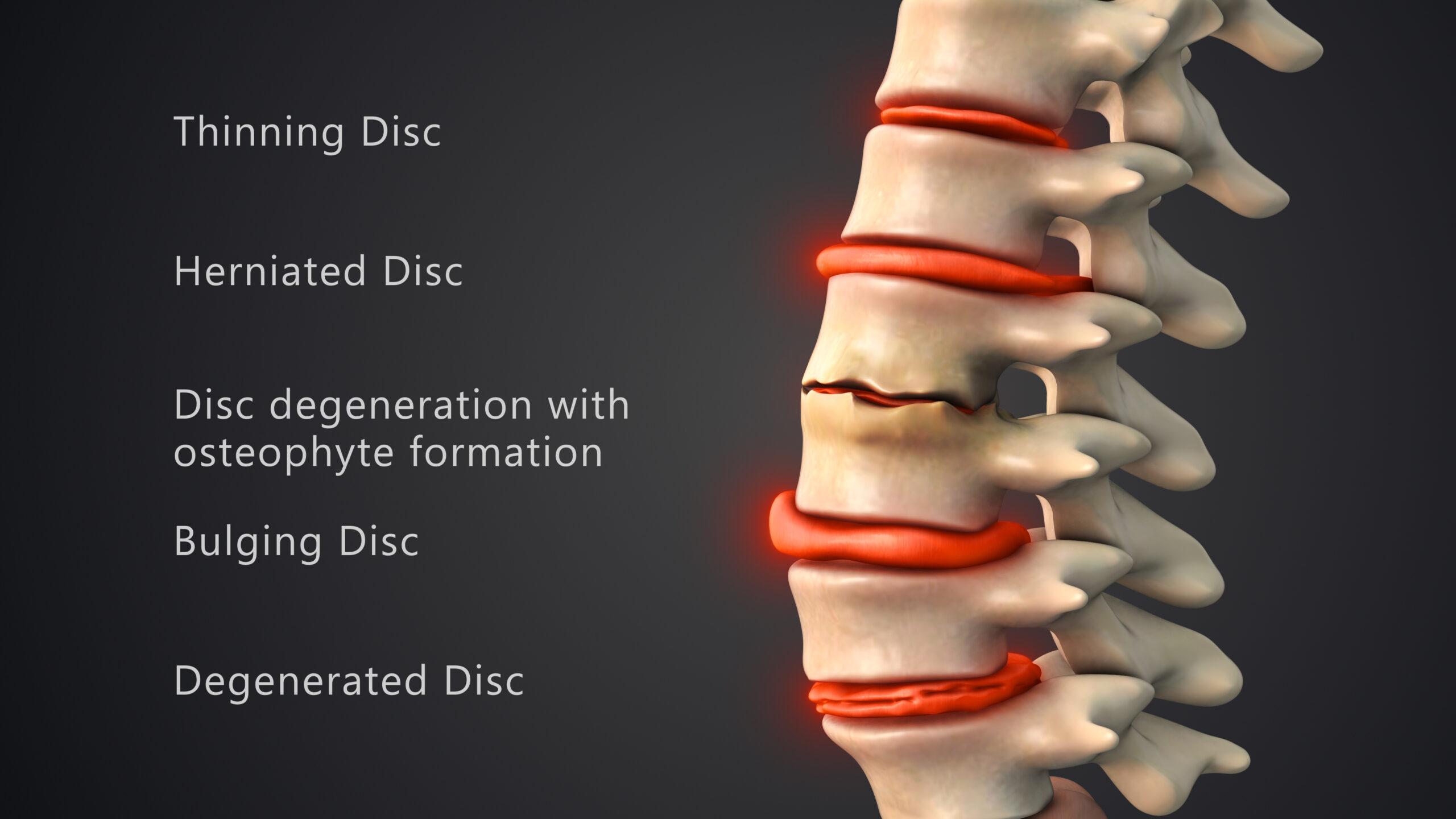
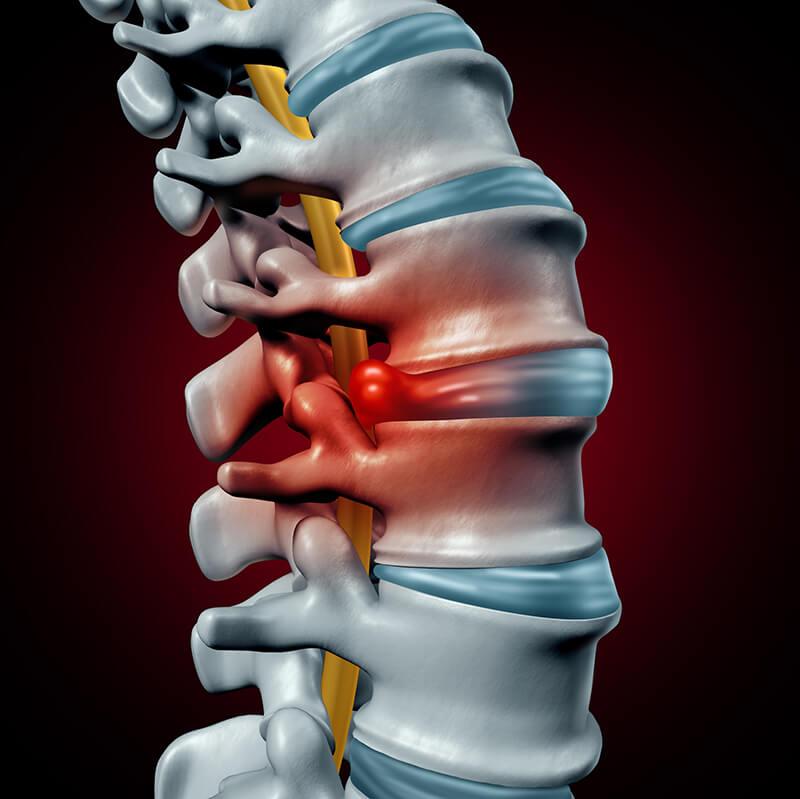
Disc problems — including herniated discs and bulging discs — are among the most common causes of persistent, severe back pain. When a disc herniates, its inner gel-like material pushes through the outer wall and compresses nearby spinal nerves. A bulging disc extends beyond its normal boundary but has not ruptured. Both conditions can cause localized back pain, radiating leg pain, numbness, and tingling. The good news is that most disc problems respond exceptionally well to conservative chiropractic care when the right technique is applied.
Degenerative disc disease is the gradual breakdown of spinal discs over time. Despite the name, it is not really a disease — it is a natural process that affects everyone to some degree. But when degeneration progresses unevenly or is accelerated by spinal misalignment, it can cause significant pain, stiffness, and loss of mobility. SOT chiropractic is particularly effective here because it restores balanced loading across the spine, slowing the degenerative process.
Sacroiliac (SI) joint dysfunction is one of the most frequently missed causes of low back pain. The SI joints connect your sacrum to your pelvis and bear tremendous load during standing, walking, and sitting. When one or both SI joints become misaligned or inflamed, the result is often a deep, unilateral low back pain that can mimic disc problems or sciatica. SOT was specifically designed to evaluate and correct SI joint dysfunction — it is the foundation of our approach.
Spinal stenosis involves narrowing of the spinal canal, which compresses the nerves within it. It is most common in patients over 50 and often causes pain, numbness, or heaviness in the legs — especially with prolonged standing or walking. While stenosis itself cannot be reversed without surgery, chiropractic care can significantly reduce the symptoms by improving joint mobility, reducing inflammation, and decompressing the affected segments.
Postural stress and repetitive strain are increasingly common causes of back pain in San Antonio, particularly among people who work desk jobs, drive long commutes, or spend hours on their phones. These habits create chronic imbalances in spinal loading that eventually produce pain.
Why Does My Back Keep Going Out in the Same Spot?
Your back keeps going out in the same spot because there is an underlying structural misalignment — usually in the pelvis or a specific spinal segment — that has never been properly corrected. This creates a permanent weak link in your biomechanical chain where stress concentrates every time you lift, twist, or sit too long. I wrote an entire article on this topic — why your back keeps going out in the same spot — because it is that important. Temporary relief from massage, stretching, or medication does not fix the alignment problem. The pain subsides, but the structural vulnerability remains. Then a minor trigger — bending over to pick up your child, reaching for something in the back seat — causes the pain to flare again in exactly the same location.
The SOT system I use at Pura Vida Chiropractic is designed to identify and correct these foundational misalignments, particularly at the pelvic level. When the pelvis is balanced and the spine is properly aligned above it, those recurring episodes stop — not because you are avoiding triggers, but because the structural vulnerability has been resolved.
What Is Sciatica and How Is It Treated Without Surgery?
Sciatica refers to pain that follows the path of the sciatic nerve — from the lower back through the buttock and down the leg. It is not a condition itself but a symptom of nerve compression or irritation, most commonly at the L4-L5 or L5-S1 spinal levels.
The sciatic nerve is the longest and thickest nerve in the body. When it is compressed by a herniated disc, bone spur, or inflamed SI joint, the result can range from a dull ache to severe, debilitating pain that makes walking or sitting nearly impossible.
In my 23 years of practice, I have treated thousands of sciatica cases. The vast majority — well over 90 percent — respond to conservative chiropractic care without surgery. The key is an accurate diagnosis. True sciatica involves specific nerve root compression that produces predictable patterns of pain, numbness, and weakness. Once we identify the exact level and mechanism of compression, we apply targeted SOT protocols, soft tissue therapy, and in many cases acoustic wave therapy or laser therapy to reduce inflammation and accelerate healing.
Most sciatica patients begin noticing meaningful improvement within the first two to four weeks of care. Complete resolution typically occurs within six to twelve weeks, depending on the severity and chronicity of the condition.
What Is the Difference Between a Herniated Disc and a Bulging Disc?
A bulging disc extends beyond its normal boundary but the outer wall stays intact, while a herniated disc involves a tear in the outer wall that allows the inner gel material to push through and compress spinal nerves more aggressively. This distinction matters because it affects your treatment plan and prognosis.
A bulging disc occurs when the disc extends outward beyond its normal perimeter, like a hamburger patty that is too big for the bun. The outer wall of the disc (annulus fibrosus) remains intact, but the disc bulges due to internal pressure changes, dehydration, or degenerative wear. Bulging discs may or may not cause symptoms. When they do, it is usually because the bulge contacts a nearby nerve.
A herniated disc is more severe. The outer wall of the disc tears, and the gel-like inner material (nucleus pulposus) pushes through the tear. This extruded material is highly inflammatory and tends to compress spinal nerves more aggressively than a bulge. Herniated discs are more likely to cause sharp, radiating pain, numbness, and weakness.
Both conditions respond well to chiropractic care at Pura Vida. SOT techniques gently restore proper disc loading by correcting pelvic and spinal alignment, reducing intradiscal pressure on the affected side. This allows the disc to heal and retract over time. We complement this with soft tissue work, decompression positioning, and regenerative therapies as needed.
I want to emphasize this: an MRI showing a herniated disc does not automatically mean you need surgery. Research consistently shows that the majority of disc herniations resolve with conservative care. Surgery should be a last resort, not a first option.
What Is Degenerative Disc Disease and Can Chiropractic Help?
Yes, chiropractic care effectively treats degenerative disc disease by restoring balanced spinal alignment, which slows disc breakdown and reduces or eliminates the pain it causes. Degenerative disc disease (DDD) is the natural, age-related breakdown of the intervertebral discs — the cushions between your vertebrae — and it sounds scarier than it usually is. Over time, discs lose hydration, become thinner, and may develop small tears in their outer wall. This process happens to everyone to some degree, but not everyone develops pain from it.
The patients who do develop pain from DDD almost always have an underlying biomechanical problem — usually pelvic or spinal misalignment — that causes uneven loading on the discs. One side of the disc bears more weight than the other, and that side degenerates faster. This uneven wear pattern is exactly what SOT chiropractic is designed to detect and correct.
By restoring balanced alignment at the pelvis and throughout the spine, we redistribute mechanical load more evenly across the discs. This does not reverse degeneration that has already occurred, but it dramatically slows its progression and, more importantly, reduces or eliminates the pain it causes.
Patients with DDD at Pura Vida also benefit from our regenerative therapies, which reduce inflammation and promote healing in degenerative tissues. The combination of structural correction and therapeutic support gives DDD patients their best chance at long-term, pain-free function.
What Is Spinal Stenosis and When Should I See a Chiropractor?
Spinal stenosis is the narrowing of the spinal canal that compresses the spinal cord or nerve roots, producing pain, numbness, tingling, or weakness — most commonly in the legs. You should see a chiropractor when you experience leg pain or heaviness that worsens with standing and walking but improves when sitting. This narrowing can occur in the central canal, the lateral recesses, or the neural foramina (the openings where nerves exit the spine).
Stenosis is most frequently caused by a combination of degenerative changes: disc bulging, bone spur formation, thickening of the ligamentum flavum, and facet joint hypertrophy. It is most common in patients over 50, though I have seen it in younger patients with congenital narrow canals or a history of spinal trauma.
The hallmark symptom of lumbar stenosis is neurogenic claudication — leg pain or heaviness that worsens with standing and walking and improves when you sit down or lean forward. If this describes your experience, chiropractic evaluation is strongly recommended.
While chiropractic care cannot widen a structurally narrowed spinal canal, it can make a meaningful difference in how that narrowing affects you. By improving joint mobility, reducing inflammation, correcting alignment to maximize available canal space, and strengthening supporting muscles, many stenosis patients experience significant symptom relief. I have helped numerous patients avoid surgery or delay it for years through consistent chiropractic management.
How Does SOT Chiropractic Treat Back Pain Differently?
SOT treats back pain differently by starting at the pelvis — the foundation of your entire spinal structure — and using your body's own weight and breathing to make gentle, precise corrections rather than forceful adjustments. It also integrates cranial work and uses a systematic indicator-based approach that removes guesswork. SOT — Sacro Occipital Technique — is the advanced chiropractic method I have been trained and certified in through SORSI (Sacro Occipital Research Society International).
What makes SOT different from conventional chiropractic? Several things.
It starts with the pelvis. The pelvis is the foundation of your entire spinal structure. If the foundation is unlevel, everything above it compensates. SOT uses a precise indicator system to categorize pelvic dysfunction and apply the exact correction needed — not a generic adjustment, but a specific, targeted protocol based on your body's own feedback.
It uses the body's own weight and respiration. Many SOT corrections use specially designed blocks placed under the pelvis while you breathe. Your body weight and respiratory motion gently guide the pelvis back into alignment. This makes SOT one of the most comfortable and effective chiropractic methods available — no forceful twisting, no cracking sounds (unless they occur naturally).
It integrates cranial work. The cranial bones are not fused solid — they have subtle, rhythmic motion that is connected to the sacrum through the dural membrane system. When cranial function is disrupted (from head injuries, dental work, stress, or birth trauma), it can contribute to back pain. SOT-trained practitioners assess and treat cranial dysfunction as part of the complete picture.
It is evidence-based and systematic. SOT uses a series of clinical indicators — specific tests, reflex points, and postural markers — to guide treatment at every visit. This removes guesswork and ensures that each visit builds on the progress of the last.
As an Advanced SOT certified practitioner, I have seen this approach resolve back pain that other methods could not. It is the reason patients drive from Stone Oak, Boerne, Alamo Heights, and across San Antonio to our clinic.
These results are not just anecdotal. Pura Vida Chiropractic has 18 documented patient outcomes on ChiropracticResults.com. Among our documented back pain cases: a spinal stenosis patient went from 8/10 pain to 0/10, a patient with L3-S1 herniations went from 10/10 to 0/10, and a patient with a 10mm disc herniation went from 10/10 pain to 0/10 — all without surgery.
When Should I See a Chiropractor for Back Pain?
The short answer: sooner rather than later. The longer back pain persists without proper treatment, the more likely it is to become chronic. Research shows that early intervention with chiropractic care leads to faster resolution, lower overall healthcare costs, and reduced risk of chronic pain.
You should see a chiropractor for back pain if:
- Your pain has lasted more than a few days and is not improving
- You have recurring episodes of back pain, even if each one eventually goes away
- Your pain radiates into your buttock, hip, or leg
- You experience numbness, tingling, or weakness in your legs
- Your back pain is interfering with work, sleep, or daily activities
- You have been told you have a disc problem, stenosis, or degenerative changes
- You want to avoid medication, injections, or surgery
- Previous treatments (physical therapy, massage, medication) have provided only temporary relief
At Pura Vida Chiropractic, your first visit includes a comprehensive evaluation — detailed history, orthopedic and neurological examination, postural analysis, and X-rays when clinically indicated. You will leave with a clear understanding of what is causing your pain and a specific plan to fix it.
What Should I Expect During Chiropractic Treatment for Back Pain?
Expect a three-phase approach: relief care (weeks 1-4) to reduce pain and inflammation, corrective care (weeks 4-12) to fix the underlying structural problems, and maintenance visits to keep your spine aligned long-term. Your treatment plan at Pura Vida Chiropractic is customized to your specific diagnosis, severity, and goals, but most back pain treatment plans follow this general structure.
Phase 1: Relief Care (Weeks 1-4). The initial focus is reducing pain, inflammation, and muscle spasm. Treatment frequency is typically two to three times per week. Most patients notice meaningful improvement during this phase, often within the first few visits. SOT corrections, soft tissue therapy, and regenerative therapies are used based on your specific needs.
Phase 2: Corrective Care (Weeks 4-12). Once pain is under control, the focus shifts to correcting the underlying structural problems — the misalignments, muscle imbalances, and joint restrictions that caused the pain in the first place. Treatment frequency decreases to once or twice per week. This is where lasting change happens.
Phase 3: Maintenance and Prevention. After correction is achieved, periodic visits — typically once or twice per month — keep your spine aligned, catch small problems before they become big ones, and maintain the progress you have made. Think of it like regular dental checkups for your spine.
Throughout your care, I will explain everything in plain language, show you your progress, and give you honest expectations. If at any point I determine that your condition requires a referral — to an orthopedist, neurologist, or surgeon — I will tell you directly. Your health comes first, always.
Can I Treat My Back Pain at Home?
Yes, you can manage back pain at home with gentle daily movement, proper ice/heat application, posture correction, sleep positioning, and core strengthening — but home care complements professional treatment and is not a substitute for it. Here are strategies I recommend to my patients between visits:
Movement is medicine. Prolonged bed rest makes back pain worse. Gentle walking, swimming, or light stretching keeps the joints mobile and the muscles engaged. Aim for 20 to 30 minutes of low-impact movement daily.
Ice for acute pain, heat for chronic stiffness. Apply ice for 15 to 20 minutes during the first 48 to 72 hours of a new pain episode. After that, moist heat can help relax tight muscles and improve blood flow.
Posture awareness. If you sit at a desk, get up and move every 30 to 45 minutes. Keep your monitor at eye level, your feet flat on the floor, and avoid crossing your legs. Small adjustments in daily posture make a significant difference over time.
Sleep position matters. Side sleepers should place a pillow between their knees. Back sleepers should place a pillow under their knees. Stomach sleeping puts the most stress on the lower back and should be avoided if possible.
Core strengthening. A stable core supports the lower back and reduces the load on spinal structures. I prescribe specific core exercises based on each patient's condition — not generic fitness routines, but targeted exercises that reinforce the corrections we make in the office.
These strategies support your chiropractic care but cannot replace it. If your back pain is recurring, worsening, or affecting your daily life, professional evaluation and treatment are essential.
How Does Back Pain Differ in Different San Antonio Communities?
In over two decades of serving San Antonio, I have noticed patterns in how back pain presents across our communities.
Patients from Stone Oak and Shavano Park often present with postural back pain from desk work and long commutes. The corporate and professional workforce in these areas spends hours sitting, and the resulting spinal compression and muscle deconditioning drives a significant percentage of the back pain I treat.
In Castle Hills and Alamo Heights, I frequently see a mix of postural pain and age-related conditions like degenerative disc disease and stenosis. Many of these patients are active adults who want to stay that way — and chiropractic care is how they maintain their mobility.
Leon Valley and Helotes patients often present with back pain related to physically demanding jobs — construction, healthcare, trades work. These patients need care that gets them back to work quickly and keeps them functioning at full capacity.
Boerne patients travel to see us because of the SOT expertise that is simply not available locally. Many have tried other approaches without lasting results and are looking for a different level of care.
Regardless of where you live in the San Antonio area, the approach is the same: find the cause, fix the cause, and give you the tools to stay pain-free.
Frequently Asked Questions About Back Pain Relief
How long does it take chiropractic to fix back pain?
Most patients experience noticeable relief within the first one to two weeks of care. Significant structural correction typically takes six to twelve weeks. Chronic or complex cases may take longer. I will give you an honest timeline during your first visit based on your specific condition.
Is chiropractic safe for back pain?
Yes. Chiropractic care is one of the safest and most effective treatments for back pain, supported by extensive research. The SOT method I use is particularly gentle — there is no forceful twisting or cracking. Serious complications from chiropractic care are extraordinarily rare.
Do I need X-rays for back pain?
Not always, but often. X-rays help me evaluate spinal alignment, disc spacing, degenerative changes, and structural anomalies that inform your treatment plan. I recommend X-rays when the clinical examination suggests they will provide valuable diagnostic information. We have digital X-ray equipment in our office for convenience.
Can a chiropractor help with back pain if I have had surgery?
Yes. Many patients come to Pura Vida after spinal surgery — sometimes because the surgery did not fully resolve their pain, and sometimes to address pain in adjacent spinal segments. Post-surgical chiropractic care requires modified techniques, and SOT is well-suited for this because of its gentle, low-force approach.
Ready to Experience Natural Healing? Book Your Free Evaluation
Pura Vida Chiropractic 2318 NW Military Hwy #103, San Antonio, TX 78231 📞 (210) 685-1994 🕐 Mon/Tue/Thu: 7:00 AM – 4:00 PM 👉 Book Free Evaluation