
Diabetes, the Pancreas, and the Spinal-Organ Connection | San Antonio TX
Dr. Dan Foss explains how the thoracic spine affects pancreatic function. CMRT chiropractic addresses the nervous-system root of type 2 diabetes and blood-sugar dysregulation in San Antonio.
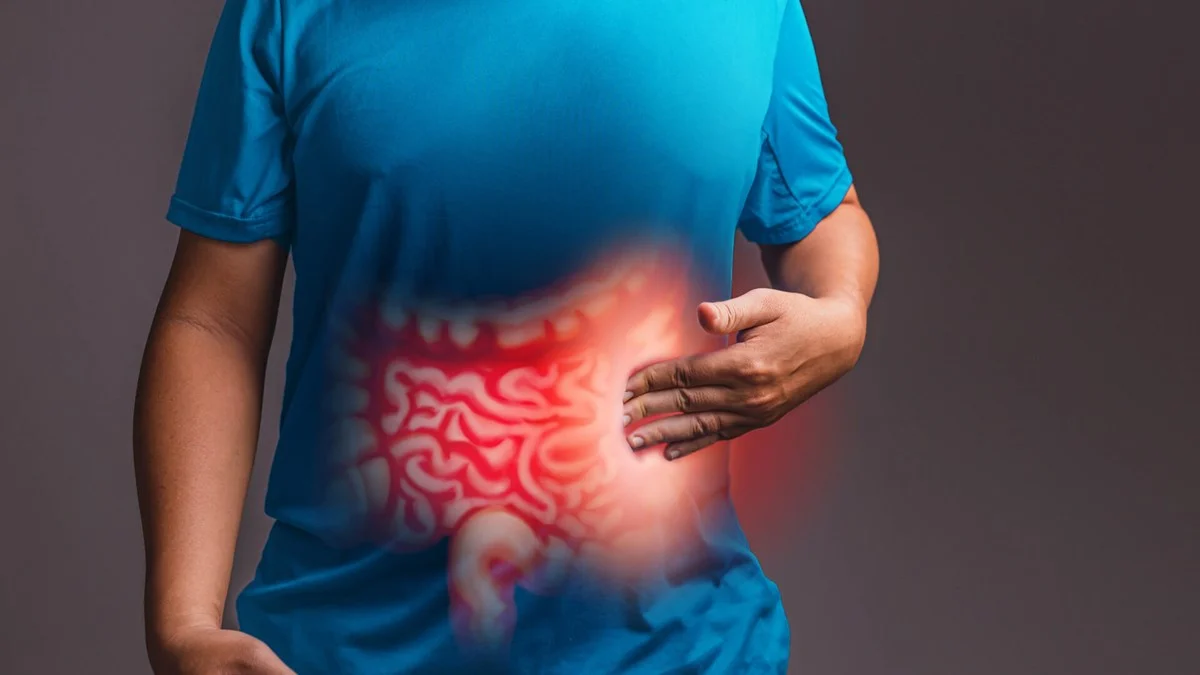
If you or someone you love is managing type 2 diabetes, you already know the routine: monitor blood sugar, take medications, adjust diet, exercise when you can. But here's what most doctors never mention: your pancreas does not work in isolation. It works under the constant command of your autonomic nervous system — and your autonomic nervous system is heavily influenced by the alignment and function of your thoracic spine.
Over 37 million Americans have diabetes today, and 96 million more are pre-diabetic. Conventional treatment focuses on metabolic management — insulin, medications, dietary control. All of that matters. But what if the spinal misalignment driving pancreatic dysfunction has never been addressed? After 23 years of practice, I can tell you: it almost never is. And that is exactly why I am writing this.
The spinal-pancreas connection is not a secret in advanced chiropractic. But it is nearly invisible in standard medical practice. Let me walk you through how it works, why it matters, and how specialized chiropractic techniques — particularly CMRT (Chiropractic Manipulative Reflex Technique) — can support your metabolic health in ways your endocrinologist may never have mentioned.
The Pancreas: Far More Than Just an Insulin Factory
Your pancreas has two main jobs. First, it makes digestive enzymes that break down food in your small intestine. Second, it produces and releases insulin — the hormone that tells your cells to take up glucose from your bloodstream.
When insulin works correctly, blood glucose rises after a meal, your pancreas senses that rise and releases insulin, your cells take up that glucose for energy or storage, and blood glucose comes back down. That feedback loop should be fast, precise, and elegant.
But type 2 diabetes does not develop because your pancreas suddenly decides to stop working. It develops because that feedback loop breaks down. Your cells become resistant to insulin's signal — they do not respond the way they should. Your pancreas has to work harder and harder, releasing more and more insulin just to achieve the same effect. Eventually, the pancreatic beta cells that make insulin burn out or stop responding. And blood sugar stays high.
Standard medicine calls this "insulin resistance." It is real, it is measurable, and it is usually treated with more medications. What is almost never discussed is the nervous-system component: your autonomic nervous system controls whether your pancreas releases insulin in the first place.
The Autonomic Nervous System and Pancreatic Function
Your autonomic nervous system has two branches: sympathetic (fight-or-flight, stress mode) and parasympathetic (rest-and-digest, repair mode).
When you are in sympathetic dominance — chronically stressed, always in "go" mode — your sympathetic nervous system actively suppresses insulin secretion. This was protective in your ancestors: in the face of threat, your body pumps out cortisol and adrenaline to raise blood sugar so you can run or fight. The last thing you need in an emergency is your pancreas dumping insulin and lowering your blood glucose.
But when you live in chronic sympathetic dominance — which most of us do — your body is essentially telling your pancreas "do not release insulin right now." Your blood sugar stays elevated. Your cells do not get the signal to take up glucose. And your body interprets that as a sign that your cells are resistant to insulin, so it tries harder, releasing even more insulin. Over years, this vicious cycle leads to pre-diabetes and type 2 diabetes.
The parasympathetic branch, by contrast, enhances insulin secretion and supports healthy metabolic function. The vagus nerve — the primary parasympathetic nerve — comes straight down from your skull, runs alongside your cervical and thoracic spine, and innervates your pancreas directly. When the vagus nerve has proper tone and freedom of motion, it sends a steady stream of "make insulin" signals to your pancreas.
When your thoracic spine is misaligned, that vagal pathway is irritated. The reflex goes silent. And your pancreas loses its parasympathetic support.
The Thoracic Spine and the Pancreatic Reflex
Here is where the spinal-organ connection becomes concrete: the thoracic spine — specifically segments T6 through T9 — houses the sympathetic nerve roots that supply the pancreas.
When the thoracic vertebrae at T6-T9 are subluxated (misaligned), they irritate those sympathetic nerve roots. This amplifies sympathetic tone to the pancreas. The result: even less insulin secretion, worse blood-sugar control, and a feedback loop that worsens insulin resistance over time.
Correcting those thoracic misalignments takes pressure off the sympathetic pathways and allows parasympathetic (vagal) tone to re-establish itself. The pancreas can start responding to "rest and digest" signals again. Blood-sugar regulation begins to normalize.
CMRT: The Pancreatic Reflex Point
CMRT (Chiropractic Manipulative Reflex Technique) is an advanced technique that accesses visceral reflex points — specific locations on the body that correspond to organ function. When stimulated correctly, these points can reset the nervous-system relationship between the spine and the organ.
The pancreatic reflex point lies in the mid-thoracic region, and CMRT-trained chiropractors use specific low-force adjustments to restore proper reflex function. I am one of only a handful of doctors in San Antonio who have been trained and certified in CMRT. It is not a standard technique — most chiropractors do not do it — because it requires specialized training and a deep understanding of the visceral-spinal relationship.
When you combine CMRT pancreatic reflex work with correction of thoracic subluxations, you address the nervous-system root of blood-sugar dysregulation in a way that no medication can.
Beyond the Spine: Autonomic Balance and Stress
Spinal alignment is one piece. Autonomic regulation is another. I also use Sacro-Occipital Technique (SOT) — my foundational approach — to restore global autonomic balance. SOT works on the cranial and sacral structures that act as "switches" for sympathetic and parasympathetic tone. By correcting misalignments in these areas, we help your entire nervous system reset toward a more balanced, parasympathetic-dominant state.
That shift is profound for diabetics and pre-diabetics. When your body is no longer in constant fight-or-flight, your pancreas can do its job. Your insulin sensitivity improves. Your blood sugar becomes more stable.
Diabetic Neuropathy: A Secondary Benefit
Over time, high blood sugar damages the small nerves that run through your feet and hands — a condition called peripheral neuropathy. The pain, numbness, and tingling are relentless. Standard treatment offers pain medications and blood-sugar control. But the nerve damage is already done.
Chiropractic care cannot reverse nerve damage. But it can reduce the pain associated with neuropathy and improve the nervous system's ability to tolerate the damaged fibers. Many of my diabetic patients with neuropathy report significant pain reduction over weeks and months of consistent care.
The Lifestyle Foundation: What You Must Do
Let me be clear about something: chiropractic care is complementary to your diabetes management. I do not replace your endocrinologist, your primary-care doctor, or your medications. Your doctors are addressing the metabolic side of the equation. What I do is address the nervous-system side — the part that almost never gets looked at.
To get the best results, combine chiropractic care with the fundamentals:
- Consistent movement and exercise — especially strength training and low-impact cardio
- Whole-food nutrition — emphasizing protein, fiber, healthy fats, and stable blood-sugar foods
- Quality sleep — seven to nine hours nightly, because sleep deprivation drives insulin resistance
- Stress management — meditation, time outdoors, connection with people you love
- Regular chiropractic care — ongoing, not just occasional
When these pieces work together, real metabolic change happens.
Ready to Address the Spinal-Nervous-System Side of Diabetes?
If you are living with pre-diabetes, type 2 diabetes, or metabolic syndrome in San Antonio, your spine may be a piece of the puzzle you have never explored. I serve patients from Stone Oak, Castle Hills, Alamo Heights, and Helotes.
Call (210) 685-1994 or book your free consultation. Let's talk about whether CMRT and SOT care might support your metabolic health in a way your current treatment plan does not yet address.
Your pancreas does not work alone. Let's help it work better.