Pinched Nerve Chiropractor in San Antonio, TX | Dr. Dan Foss
Pinched nerve relief in San Antonio with Dr. Dan Foss using SOT, CMRT, and laser therapy. Get fast relief from nerve pain. (210) 685-1994.
Pinched Nerve Chiropractor in San Antonio, TX
A pinched nerve can cause sharp, shooting pain, numbness, tingling, and weakness that significantly impact your daily life. If you're experiencing nerve symptoms in San Antonio, Dr. Dan Foss, DC at Pura Vida Chiropractic offers specialized, non-surgical treatment designed to decompress affected nerves and restore normal function. With advanced techniques including SOT protocols, CMRT, and Class IV laser therapy, Dr. Foss has helped countless patients find relief from pinched nerve pain.
What Is a Pinched Nerve?
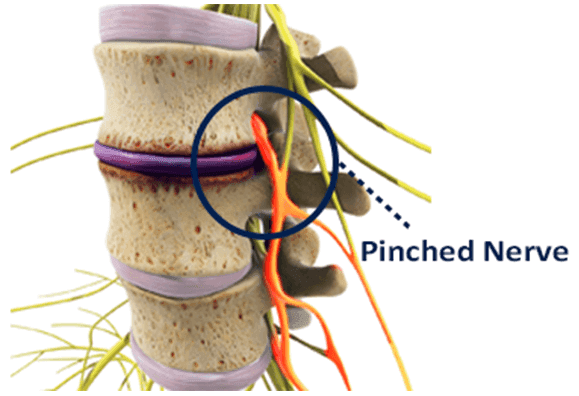
A pinched nerve, medically known as nerve compression or impingement, occurs when surrounding tissues (bones, cartilage, muscles, or tendons) exert excessive pressure on a nerve. This compression interferes with the nerve's ability to transmit signals properly, resulting in pain, numbness, tingling, weakness, or loss of function in the affected area.
Pinched nerves can occur anywhere in the spine, but they're most common in the cervical spine (neck) and lumbar spine (lower back). The condition may develop from:
- Herniated or bulging discs
- Bone spurs or osteoarthritis
- Spinal subluxations (misalignments)
- Inflammation or swelling in surrounding tissues
- Poor posture and repetitive strain
- Muscle tension and trigger points
- Sciatica (compression of the sciatic nerve)
The severity of symptoms often correlates with how severely the nerve is compressed and which nerve roots are affected.
Common Symptoms of Pinched Nerves
Depending on which nerve is compressed and where in your spine the compression occurs, you may experience:
- Sharp, shooting pain radiating from the spine into your arm, hand, leg, or foot
- Numbness or tingling (paresthesia) in affected extremities
- Weakness in muscles served by the compressed nerve
- Burning sensation or "pins and needles" feeling
- Loss of grip strength or difficulty lifting objects
- Difficulty walking or balance problems
- Pain that worsens with certain movements or positions
- Symptoms that improve with rest or specific body positions
Cervical pinched nerves often cause arm pain, hand numbness, or weakness in the grip. Lumbar pinched nerves frequently cause lower back pain radiating into the buttocks, legs, or feet—a condition commonly known as sciatica.
Why Conservative Treatment Should Be Your First Option
When diagnosed with a pinched nerve, many people are concerned about surgery. The good news is that the vast majority of pinched nerves respond well to conservative chiropractic treatment without surgical intervention. Research shows that 90% of pinched nerve cases resolve with non-surgical care within 4-6 weeks when treated properly.
Surgery should only be considered after conservative treatment has been thoroughly attempted and has failed to provide relief, or in cases of severe neurological deficit. Chiropractic care is both safer and more cost-effective than surgical intervention, and it addresses the underlying cause rather than simply removing tissue.
Dr. Dan Foss's Comprehensive Pinched Nerve Treatment
At Pura Vida Chiropractic, Dr. Foss approaches pinched nerves with a sophisticated, multi-modal treatment strategy designed to decompress the nerve and restore optimal spinal function.
SOT (Sacro Occipital Technique) Protocols
As an SOT Advanced certified chiropractor, Dr. Foss utilizes SOT protocols specifically designed to address nerve compression:
- Category I (Pelvic Blocks): Restores proper pelvic alignment and reduces stress on the lumbar spine and nerve roots that pass through this region
- Category II (Cranial Techniques): Addresses the neurological and structural relationships that influence nerve function throughout the entire spine
- Category III (Extremity Techniques): Reduces compensatory stress from affected limbs, allowing the compressed nerve to decompress naturally
SOT protocols are particularly valuable for pinched nerves because they address the underlying structural and functional problems causing the compression, rather than simply manipulating the affected area.
CMRT (Chiropractic Manipulative Reflex Technique)
CMRT is essential in pinched nerve treatment because nerve compression often creates reflex dysfunction extending well beyond the compressed nerve itself. By identifying and releasing these fascial restrictions and reflex patterns, CMRT:
- Reduces inflammation around the compressed nerve
- Restores proper tissue mobility
- Enhances nervous system function
- Accelerates healing of damaged nerve tissue
- Addresses organ-related restrictions that may be contributing to nerve dysfunction
Craniopathic/Cranial Adjustments
The relationship between cranial structure and spinal nerve function is significant. Cranial adjustments help restore optimal cerebrospinal fluid flow and normalize nervous system function throughout the entire spine, supporting faster recovery from nerve compression.
The Pura Vida Protocol
The Pura Vida Protocol ensures comprehensive evaluation and treatment of your pinched nerve condition. Rather than only addressing the obvious compressed nerve, Dr. Foss evaluates:
- Your entire spinal alignment and structure
- Movement patterns and biomechanics
- Postural dysfunction contributing to nerve compression
- Muscle imbalances and tension patterns
- Neurological function and reflex patterns
- Overall health and healing capacity
This holistic approach ensures that treatment addresses not just symptoms but the underlying factors causing the nerve compression.
Advanced Therapeutic Modalities
To accelerate healing and enhance your results, Dr. Foss incorporates state-of-the-art therapies:
Class IV Laser Therapy: High-power laser penetrates deep into tissues surrounding the compressed nerve, reducing inflammation, stimulating cellular healing, and providing pain relief. Laser therapy accelerates recovery and often allows patients to reduce pain medication and physical limitations more quickly.
Shockwave Therapy: This technology stimulates the body's natural healing response and can help break down calcifications or bone spurs contributing to nerve compression, creating more space for the nerve.
Treatment Timeline and Results
Most pinched nerve patients experience initial pain relief within 1-2 weeks of starting treatment. However, complete healing requires time as damaged tissues repair and inflammation fully resolves.
Your treatment frequency and duration will depend on:
- The severity of nerve compression
- How long you've had symptoms (chronic compression is often slower to resolve)
- Your age and overall health
- Whether there's associated disc hernia or bone spurs
- Your commitment to home care and lifestyle modifications
Typical treatment involves 2-3 visits per week initially, tapering as you improve. Most patients achieve significant improvement within 4-6 weeks and complete resolution within 8-12 weeks.
What You'll Experience During Treatment
Your first visit includes a thorough evaluation:
- Detailed history of your symptoms and how they developed
- Comprehensive orthopedic and neurological examination
- Assessment of spinal alignment and mobility
- Evaluation of how nerve compression is affecting your function
- Discussion of what's causing your pinched nerve and how it will be treated
Subsequent visits include:
- Specific chiropractic adjustments and SOT techniques tailored to your condition
- CMRT to address fascial restrictions and reflex patterns
- Cranial adjustments if warranted
- Class IV laser or shockwave therapy as appropriate
- Postural and ergonomic guidance
- Home exercises to support healing and prevent recurrence
Preventing Pinched Nerve Recurrence
After your pinched nerve resolves, Dr. Foss will teach you strategies to prevent recurrence:
- Proper posture and ergonomics for your work environment
- Exercises to maintain spinal alignment and strength
- Movement patterns that protect your spine
- Lifestyle modifications to reduce nerve compression risk
Many patients experience recurrent pinched nerves because the underlying structural or functional problems aren't fully addressed. The Pura Vida Protocol's comprehensive approach significantly reduces recurrence rates.
Why Choose Pura Vida Chiropractic
Dr. Dan Foss brings specialized expertise in nerve compression disorders with credentials including:
- Doctor of Chiropractic with extensive experience treating pinched nerves
- SOT Advanced certification for sophisticated spinal and neurological care
- Advanced training in multiple treatment modalities
- Fluent in English and Spanish
- Commitment to evidence-based, patient-centered care
Contact Us Today
If you're suffering from a pinched nerve in San Antonio, don't wait for your symptoms to worsen. Early intervention provides the best outcomes.
Location: 2318 NW Military Hwy Suite 103, San Antonio TX 78231
Phone: (210) 685-1994
Office Hours: Monday, Tuesday, Thursday 7:00am-4:00pm
Bilingual Services: English and Spanish
Dr. Foss and the Pura Vida Chiropractic team are ready to help you find relief from pinched nerve pain and prevent recurrence. Call today to schedule your comprehensive evaluation and begin your journey toward pain-free function.