Tension Headaches and Chiropractic Relief | San Antonio TX
Tension headaches respond to chiropractic care because they originate in the neck and skull. Learn how SOT cranial work, upper cervical adjusting, and posture correction provide lasting relief. Dr. Dan Foss, San Antonio TX.
On this page
Tension headaches are the most common type of headache, and they are also the most responsive to chiropractic care. If you are getting tension headaches regularly — that band-like pressure across your forehead, tightness at the base of your skull, aching behind your eyes — the problem is almost certainly in your neck and skull, not in your head. Medication masks the symptom. Chiropractic corrects the cause.
In 23 years of practice in San Antonio, tension headaches are one of the conditions I treat most frequently. The vast majority of patients see significant improvement within the first 2-4 weeks of care. Many become completely headache-free for the first time in years. Not because I am doing something extraordinary, but because the cause of tension headaches is structural — and structure is exactly what I correct.
What Causes Tension Headaches
The medical community classifies tension headaches as "primary headaches," meaning they are not caused by an underlying disease. But that classification is misleading because it implies there is no identifiable cause. There is.
Tension headaches are caused by a combination of:
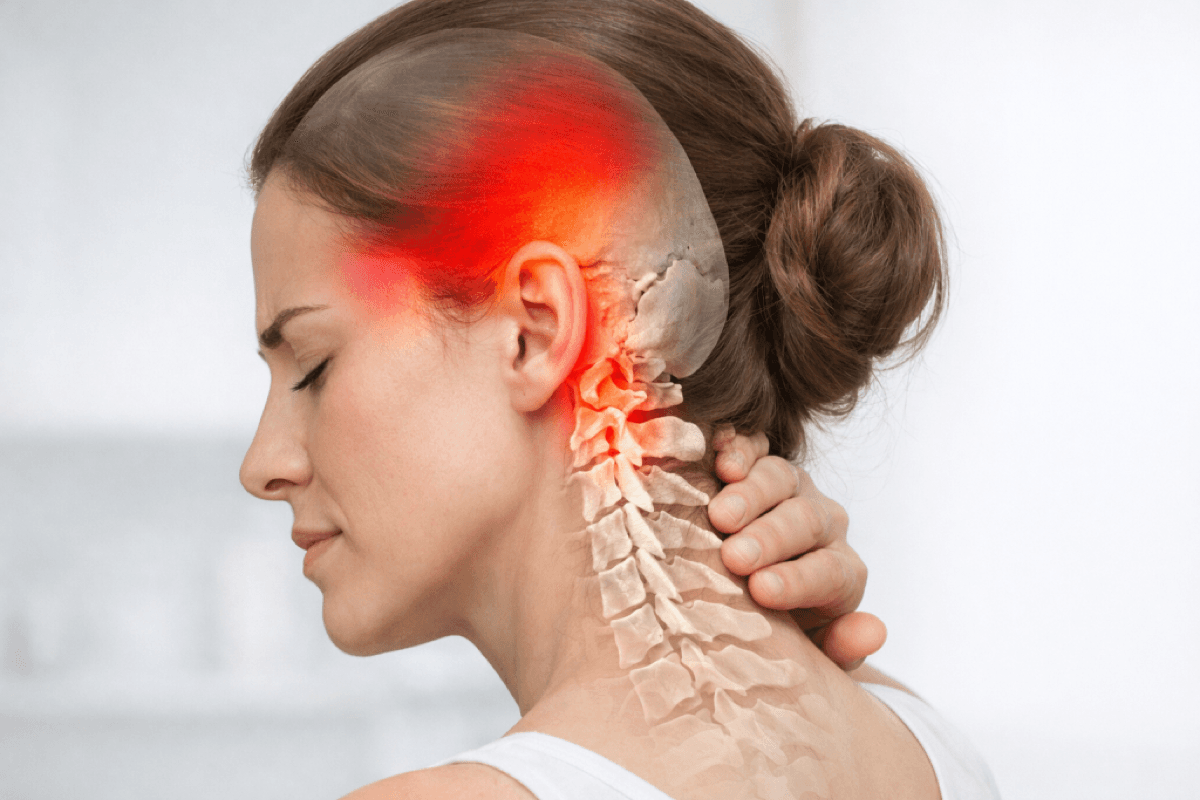
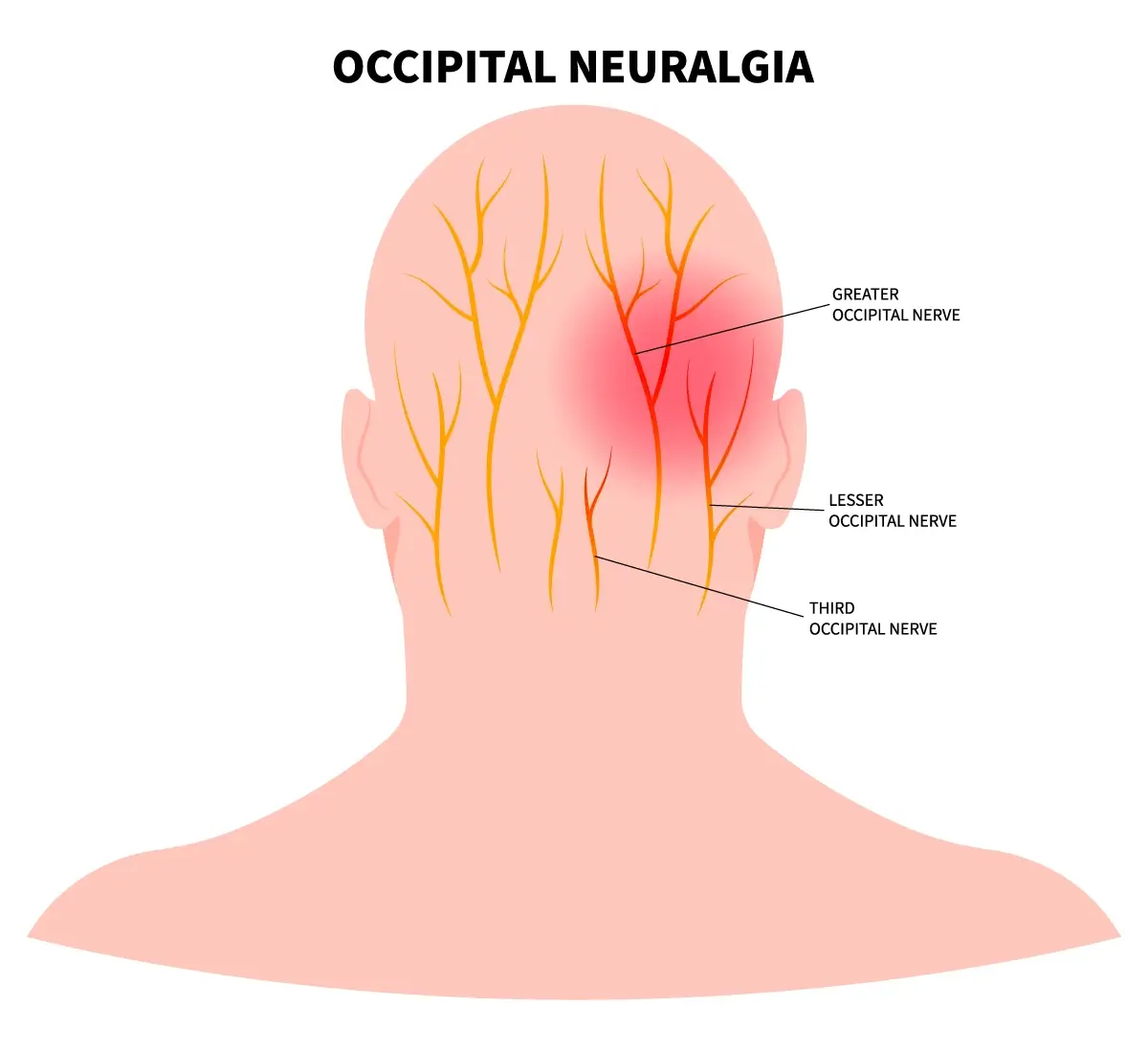
Cervical subluxation. Misalignment of the upper cervical vertebrae (C1, C2, C3) creates irritation of the nerves that supply the muscles of the head and scalp. The greater occipital nerve, which exits between C1 and C2, is responsible for sensation over the top and back of the head. When C1 or C2 is subluxated, this nerve becomes irritated, and the result is that classic band-like headache pattern.
Suboccipital muscle tension. The four small suboccipital muscles at the base of the skull (rectus capitis posterior major and minor, obliquus capitis superior and inferior) are packed with proprioceptive nerve endings. They are postural muscles that monitor head position constantly. When the upper cervical spine is misaligned, these muscles go into chronic spasm. They compress the greater occipital nerve from the outside while the subluxation irritates it from the inside. A double mechanism of pain.
Cranial restrictions. The bones of the skull are not fused solid — they have micro-motion at the sutures. When cranial bones become restricted (particularly the temporal bones, frontal bone, and sphenoid), intracranial pressure changes subtly. This contributes to the pressure sensation that tension headache sufferers describe.
Postural stress. Forward head posture — which is epidemic in the age of smartphones and desk jobs — puts enormous mechanical stress on the cervical spine. For every inch of forward head carriage, the effective weight of the head on the neck increases by approximately 10 pounds. A two-inch forward head posture means your neck is bearing 30 pounds instead of 10. Every day. All day. The result is chronic cervical tension and headaches.
Tension Headaches vs. Migraines vs. Cervicogenic Headaches
Understanding the type of headache you have matters because it affects the treatment approach.
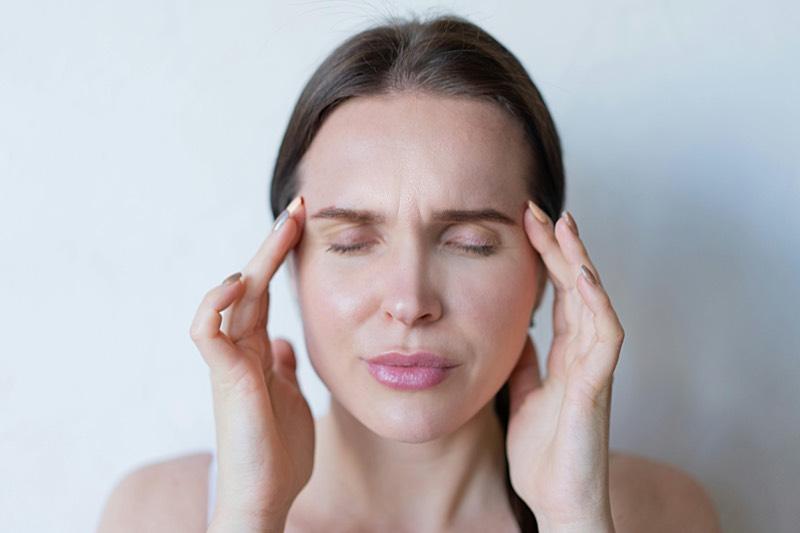
Tension headaches feel like a tight band around the head. Bilateral (both sides). Mild to moderate intensity. Not usually accompanied by nausea or light sensitivity. They can be episodic or chronic (more than 15 days per month).
Migraines are typically unilateral (one side), throbbing, moderate to severe, and accompanied by nausea, light sensitivity, and sometimes aura (visual disturbances). Migraines have a strong vascular and neurological component.
Cervicogenic headaches originate in the cervical spine and refer pain to the head. They are typically one-sided, start at the base of the skull or neck, and are aggravated by neck movement. They are often mistaken for migraines because they can be severe and one-sided.
Here is the clinical reality: many patients have overlapping types. A person with chronic cervical subluxation may have tension headaches most of the time, cervicogenic headaches when the subluxation worsens, and occasionally a migraine triggered by the cumulative neurological irritation. This is why a structural approach — correcting the underlying cervical and cranial problems — often resolves multiple headache types simultaneously.
How I Evaluate Headache Patients
When a headache patient comes to Pura Vida Chiropractic, I perform a thorough evaluation:
History. When did the headaches start? How often? What triggers them? Where exactly is the pain? Any history of head trauma, car accidents, or dental work? What have you tried? This matters because it tells me where to look.
Posture analysis. I evaluate forward head posture, shoulder asymmetry, and thoracic kyphosis. Most headache patients have visible postural distortion that they have never been told about.
Cervical palpation. I manually examine C1 through C7 for subluxation, muscle spasm, and tenderness. The upper cervical spine (C1-C3) is almost always involved in tension headaches.
Cranial assessment. I evaluate cranial bone motion — the temporal bones, frontal bone, sphenoid, and occiput. Restricted cranial motion is a common finding in chronic headache patients.
SOT category analysis. I determine whether the patient is a Category 1, 2, or 3 — each requiring a different correction approach. Most chronic headache patients present as Category 1 (dural tension) or Category 2 (sacroiliac weight-bearing dysfunction creating compensatory upper cervical problems).
Neurological screening. I rule out red flags — sudden onset of the worst headache of your life, headaches with fever and stiff neck, headaches with neurological deficits. These are rare but require immediate medical referral.
How SOT and Cranial Work Relieve Tension Headaches
My approach to tension headaches is multi-layered:
Upper Cervical Correction
The C1-C2 complex is the most neurologically dense area of the spine. A subluxation here affects the brainstem, the vertebral arteries, and the upper cervical nerve roots that supply the head and scalp. Using precise, gentle SOT adjusting techniques — not the high-velocity rotational manipulation that makes people nervous — I restore proper alignment and motion to the upper cervical spine.
When C1 and C2 are properly aligned, the greater occipital nerve is decompressed, the suboccipital muscles can release, and the headache pattern breaks.
SOT Cranial Adjusting
Cranial adjusting is where SOT truly distinguishes itself from other chiropractic approaches for headaches.
The temporal bones house the inner ear and are intimately connected to the muscles of mastication (chewing). Temporal bone restriction can cause headaches, ear fullness, TMJ pain, and dizziness. I use specific cranial contacts with extremely light pressure to restore temporal bone motion.
The frontal bone is the forehead. When it is restricted at the coronal suture, patients often describe a "pressure" across the forehead — the classic tension headache location. Gentle mobilization of the frontal bone sutures often produces immediate relief that patients can feel on the table.
The sphenoid bone articulates with nearly every other bone in the skull and houses the pituitary gland. Sphenoid restriction creates diffuse, hard-to-localize headache pressure. Correcting the sphenoid is often the key that unlocks chronic headache cases that have not responded to other treatments.
CMRT for Headache-Related Organ Reflexes
Some tension headaches have a visceral component. CMRT (Chiropractic Manipulative Reflex Technique) identifies reflex points that connect to organ dysfunction. Common organ connections to headaches include:
- Liver/gallbladder: Right-sided headaches, especially temporal, often correlate with liver and gallbladder reflex activity
- Stomach: Frontal headaches associated with digestive dysfunction
- Adrenals: Headaches associated with fatigue and stress, often at the vertex of the skull
When I find active CMRT points in headache patients, treating the organ reflexes alongside the structural correction produces results that structural work alone may not achieve.
The Desk Job and Posture Connection
San Antonio has a massive population of desk workers — military, medical, tech, and government employees who sit 8-10 hours daily. The postural consequence is devastating for the cervical spine.
Forward head posture is the single most common finding I see in headache patients under 50. When the head translates forward of the shoulder line:
- The suboccipital muscles are in constant contraction to hold the head up
- The upper cervical joints are compressed posteriorly
- The thoracic spine rounds (kyphosis), creating compensatory strain all the way up to the skull
- The muscles at the base of the skull and the top of the shoulders become chronically tight and tender
If you sit at a desk all day and have tension headaches, your posture is almost certainly a contributing factor. I address this through:
- Structural correction of the cervical and thoracic spine
- Ergonomic guidance for your workstation setup
- Specific exercises to strengthen the deep cervical flexors (the muscles that hold your head in proper position)
- Posture correction as part of the overall care plan
Natural Relief Without Medication
Most tension headache sufferers are taking over-the-counter pain medication regularly — ibuprofen, acetaminophen, aspirin, or combination products like Excedrin. Here is what concerns me about that approach:
Medication overuse headache. Taking pain medication more than 10-15 days per month can actually cause a new type of headache called medication overuse headache (rebound headache). The medication that was supposed to help becomes part of the problem. This creates a cycle that is difficult to break without addressing the underlying structural cause.
Liver and kidney burden. Regular NSAID use carries real risks: gastrointestinal bleeding, kidney damage, and cardiovascular risk. Regular acetaminophen use burdens the liver. These are not theoretical concerns — they are well-documented in medical literature.
Masking, not solving. Pain medication does not fix the subluxation, release the cranial restriction, or correct the posture. It temporarily blocks the pain signal while the structural problem continues to worsen.
Chiropractic care addresses the cause. When the cervical spine is aligned, the cranial bones move freely, and the postural muscles are balanced, the headaches stop — not because we blocked the pain signal, but because we removed the reason the pain existed.
What to Expect With Chiropractic Headache Care
First 1-2 weeks: Reduction in headache intensity. The headaches may still occur, but they are less severe and shorter in duration.
Weeks 2-4: Reduction in headache frequency. Many patients go from daily or near-daily headaches to 2-3 per week, then 1 per week.
Months 1-3: Significant improvement. Most patients are experiencing headaches rarely, and when they do occur, they resolve quickly without medication.
Ongoing maintenance: Once the structural correction is stable, periodic maintenance visits (every 2-4 weeks) help prevent recurrence.
I serve headache patients throughout San Antonio including Castle Hills, Stone Oak, Alamo Heights, Leon Valley, Helotes, Shavano Park, and Boerne.
Frequently Asked Questions
How quickly can chiropractic relieve my tension headaches?
Many patients experience some relief after their first visit. The suboccipital muscles begin to release as soon as the upper cervical alignment is corrected. Significant, lasting improvement typically occurs over 2-4 weeks of consistent care.
Can chiropractic help if I have had headaches for years?
Yes. Chronic headache patients often respond well to chiropractic because the structural cause has been building for years without being addressed. It may take longer to achieve full correction — typically 2-3 months — but the results are often profound because we are addressing the root cause for the first time.
Should I stop my headache medication when I start chiropractic?
I never ask patients to stop medication abruptly. As your headaches improve, you will naturally need less medication. Many patients find that within a few weeks of care, they simply forget to take their medication because they do not need it. If you are on prescription medication for headaches, work with your prescribing doctor on any medication changes.
Ready to Experience Natural Healing? Book Your Free Evaluation
For an overview of how we evaluate every headache type, see our headache chiropractor in San Antonio page.
Pura Vida Chiropractic 2318 NW Military Hwy #103, San Antonio, TX 78231 📞 (210) 685-1994 🕐 Mon/Tue/Thu: 7:00 AM – 4:00 PM 👉 Book Free Evaluation