Bedwetting (Enuresis) & Chiropractic Care in Children | San Antonio TX
Bedwetting is often a sacral plexus and nerve root dysfunction. Learn how SOT pelvic protocol restores proper bladder and sphincter control through gentle chiropractic.
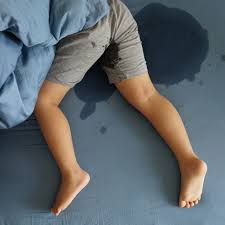
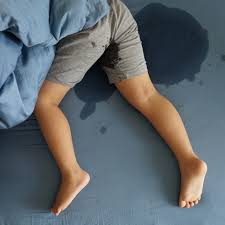
Your child is six years old and still wetting the bed at night. Your pediatrician says "give it time." But you are tired of washing sheets and your child is embarrassed. You are wondering: is this something chiropractic can help?
In 23 years of pediatric chiropractic practice using Sacro-Occipital Technique (SOT) and SOT Craniopathy, I have seen how much nervous system function improves when the sacral plexus and pelvic nerve roots are properly aligned. Most children who come in with bedwetting show significant improvement within 4-6 weeks.
What Is Bedwetting (Nocturnal Enuresis)?
Bedwetting after age five is considered beyond normal development. It affects 10-15% of school-age children and can persist into adolescence if not addressed. Most cases are:
- Primary enuresis: The child has never consistently been dry at night
- Secondary enuresis: The child was dry for 6+ months, then started wetting again
The cause is usually not a psychiatric or behavioral problem. It is neurological dysfunction — specifically, poor communication between the brain and the bladder.
The Nervous System Control of Bladder Function
Most people think bladder control is purely voluntary — "the child just needs to hold it." Actually, it is much more complex. Here is how it works:
The bladder receives nerve input from the sacral plexus (spinal nerves at L4, L5, S1, S2, S3). These nerves control:
- Parasympathetic fibers: Tell the bladder to contract and empty (usually during waking)
- Sympathetic fibers: Inhibit bladder contraction and keep the internal sphincter closed (keeping you dry)
- Somatic fibers: Control the external sphincter (voluntary control)
During sleep, the sympathetic (drying) signals usually dominate. The bladder stays closed. The internal sphincter stays tight. The child stays dry.
When the sacral nerve roots (L4-S3) are compressed or misaligned, the sympathetic signals weaken. The parasympathetic (emptying) signals get through, but the sphincters do not tighten in response. The bladder empties involuntarily. Bedwetting.
Why Sacral Alignment Matters for Bedwetting
Most bedwetting happens because of:
1. Sacral subluxation or misalignment. The sacrum sits at the base of the spine, between the pelvis bones. When it tilts, rotates, or shifts, it compresses the nerve roots exiting from the sacrum. These nerve roots control bladder and sphincter function.
2. Pelvic torsion. The pelvis is a ring structure. When one side of the pelvis is tilted or rotated more than the other, it creates asymmetrical tension on the sacrum and alters nerve root exit angles. The sacral nerves become compressed.
3. Dural tension. The dura mater (the membrane surrounding the spinal cord) extends down to the sacrum. Tension in the dura anywhere in the spine can pull down on the sacral area and compress nerve roots.
4. Lumbosacral joint dysfunction. The joint where the lowest rib-bearing vertebra (L5) meets the sacrum can become stuck. This restricts normal motion and irritates the nerves passing through.
Any of these can impair sacral nerve function and cause bedwetting.
How SOT Pelvic Protocol Helps Bedwetting
My approach focuses on restoring proper sacral and pelvic alignment:
1. Sacral assessment. I palpate the sacrum and check for misalignment, rotation, or compression. I also assess pelvic symmetry and the lumbosacral joint.
2. Pelvic correction. Using SOT blocks — specific wedge-shaped tools placed under the pelvis — I allow gravity and the child's own body weight to correct pelvic and sacral misalignment. This is so gentle the child usually sleeps through it.
3. Sacral adjustment. If needed, I make a gentle direct adjustment to the sacrum to restore its proper alignment and motion.
4. Dural release. Using gentle techniques, I reduce dural tension throughout the spine, particularly at the lumbosacral area.
5. Pelvic floor strengthening. I teach parents simple exercises to help the child strengthen the pelvic floor muscles, which support proper bladder function.
What Parents See
The improvement is often steady and consistent:
- Week 1-2: First dry nights appear. May be sporadic.
- Week 3-4: More dry nights than wet nights. Confidence increases.
- Week 5-6: Most nights dry. Occasional accidents still happen (especially with stress or illness).
- Week 8-12: Consistently dry. Problem essentially resolved.
Many children show significant improvement within 3-4 weeks. Some take 8-12 weeks if the problem has been present for years.
How Many Visits Are Needed?
Most children with bedwetting benefit from:
- Initial assessment: Determine if sacral misalignment is a factor
- Intensive phase: 1-2 visits per week for 4-6 weeks
- Maintenance phase: Monthly visits for 2-3 months
- Follow-up: As needed, especially if stress or illness triggers a relapse
Many children are completely resolved within 8 weeks.
Is Chiropractic Effective for ALL Bedwetting?
No. Some bedwetting is purely neurological (developmental delay in brain-bladder signaling) or psychological (anxiety-driven). But most bedwetting has a mechanical component — sacral misalignment — that chiropractic addresses.
In my first assessment, I can usually tell if sacral misalignment is contributing to the problem. If I find significant dysfunction, I can predict good results.
Internal Links
For deeper understanding of pelvic and sacral function:
- Sacroiliac Joint: The One Joint Most Doctors Miss
- Dural Tension: The Hidden Force Pulling Your Spine Out of Alignment
- Pediatric Chiropractor
- SOT Blocks: How Do They Work?
- Related condition: Infant Colic: A 23-Year Approach — early pelvic correction may prevent future bedwetting
Frequently Asked Questions
Q: How long do I wait before seeking help for bedwetting? A: Bedwetting after age 5-6 can benefit from chiropractic assessment. The longer it goes untreated, the more entrenched the nervous system pattern becomes. Addressing it early helps.
Q: Can bedwetting be caused by other things? A: Yes. Urinary tract infections, diabetes, sleep apnea, anxiety, and other medical conditions can cause bedwetting. I screen for these and recommend medical evaluation if needed. Chiropractic addresses the mechanical/structural component.
Q: Should I limit fluids at night? A: Some families do reduce evening fluids, which can help. But fluid restriction alone does not fix the underlying nerve dysfunction. Both approaches work better together.
Q: What about pull-ups or alarms? A: Pull-ups are practical for managing the immediate problem, but they do not fix the underlying dysfunction. Bedwetting alarms can help retrain the brain-bladder reflex, and chiropractic can support that retraining by improving nerve function.
Q: My child is in their teens and still wets the bed. Is it too late? A: No. The nervous system remains responsive to proper alignment even in teenagers. However, the longer the pattern has been present, the longer the correction may take.
Q: Will medication help? A: Some medications (like desmopressin) can reduce nighttime urine production. They manage the symptom but do not fix the underlying nerve dysfunction. Chiropractic addresses the root cause.
Q: How often do children relapse after improving? A: Most children who become dry through chiropractic stay dry. Occasional relapses can happen with stress, illness, or changes in routine, but they are usually temporary and respond quickly to a visit or two.
The Pura Vida Approach
We see bedwetting not as a psychiatric or behavioral problem, but as a structural and neurological issue. When the sacrum is properly aligned and the sacral nerve roots are free from compression, bladder and sphincter control improve naturally.
Twenty-three years of working with bedwetting children has taught me that small sacral corrections, combined with time, create consistent dry nights.
Ready to Help Your Child Stay Dry?
Call (210) 685-1994 or book your free consultation. We will assess your child's sacral alignment and pelvic function, explain what we find, and discuss whether chiropractic can help resolve the bedwetting.
Bedwetting does not have to be a source of shame and frustration. Most cases improve with proper chiropractic care. Let us help your child feel confident and dry again.