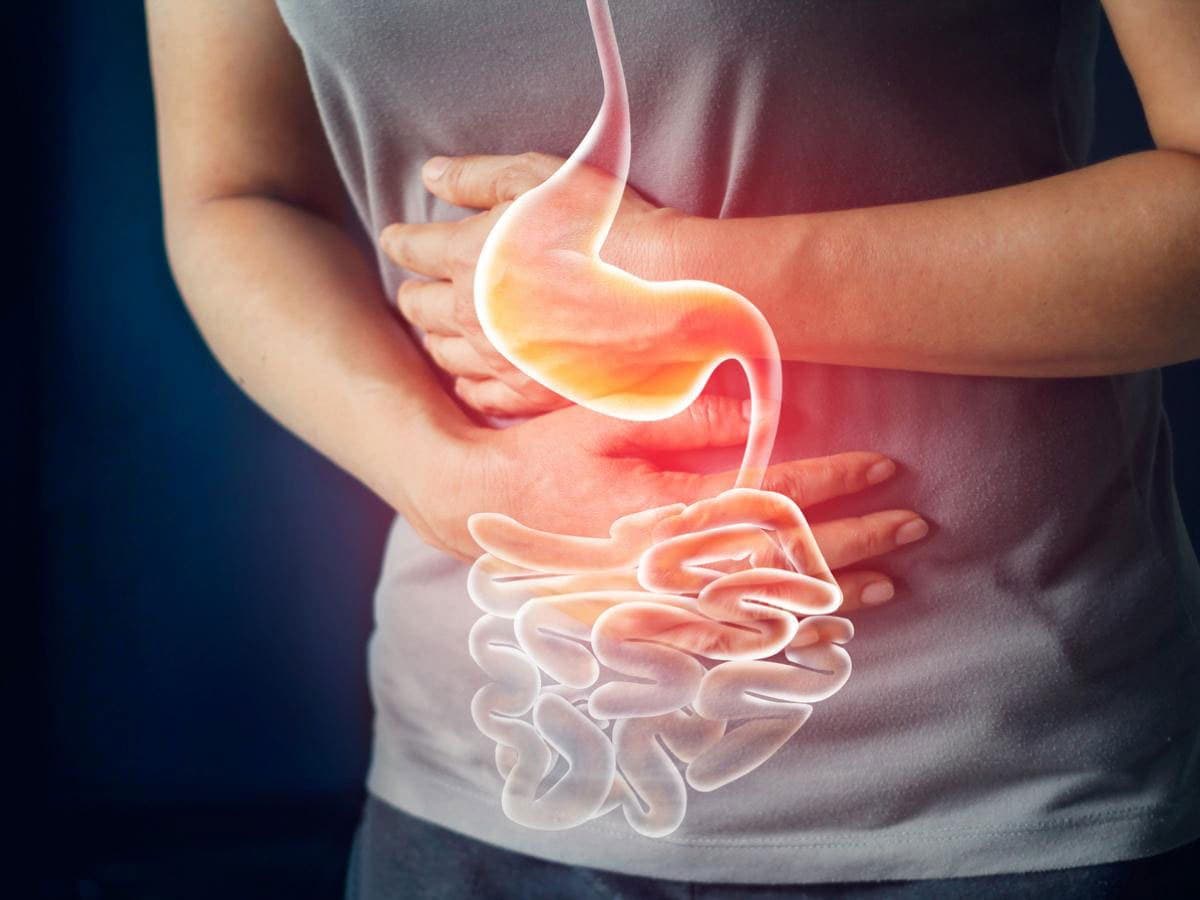
IBS (Irritable Bowel Syndrome) and CMRT | San Antonio TX
IBS is often a nerve problem, not a gut problem. Dr. Foss uses CMRT to restore T7-T12 nerve function and heal the gut-brain axis. San Antonio chiropractor.
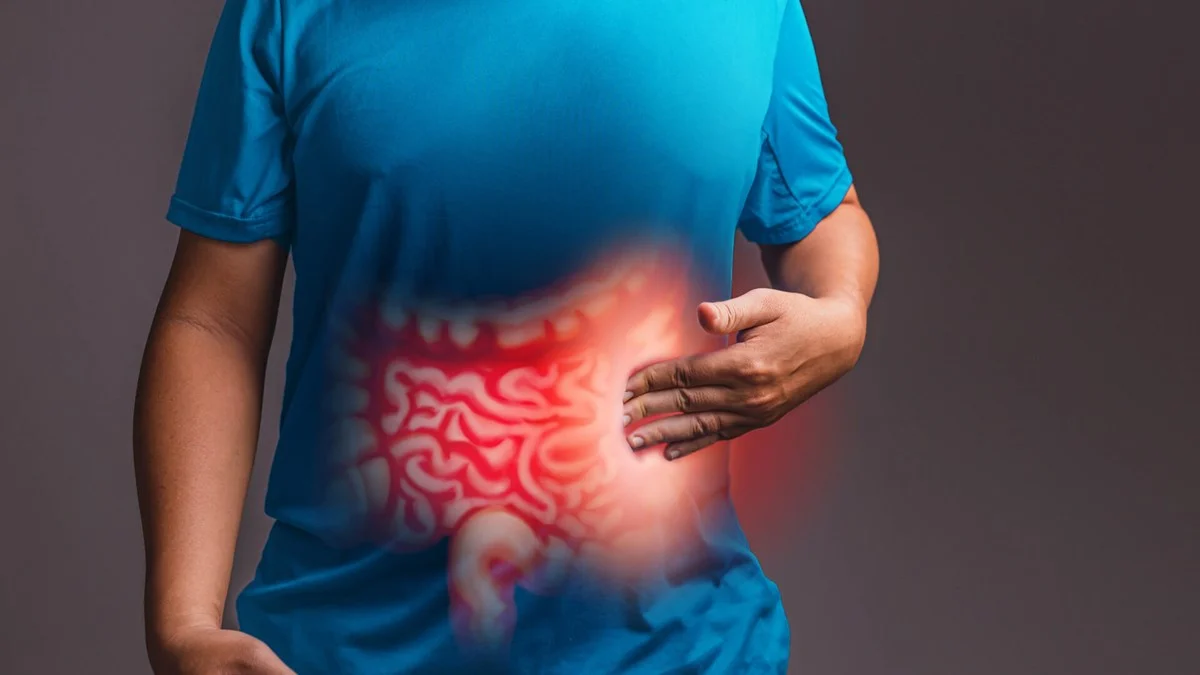
Do you spend your day worried about where the nearest bathroom is?
IBS (Irritable Bowel Syndrome) affects roughly 1 in 7 Americans, and the standard medical response is always the same: "We do not know what causes it. Here are some medications to manage the symptoms."
What most doctors do not tell you: IBS is often not a gut problem. It is a nerve problem.
In 23 years of practice as a CMRT specialist, I have seen hundreds of IBS patients recover completely once we restored proper nerve function to their intestines. Not by changing their diet (though that helps). Not by taking more medications. But by identifying and correcting the spinal misalignments strangling the nerves that control their gut.
Let me show you how this works, and why you may be able to finally stop living in the bathroom.
The Gut-Nerve Connection: Why Your Gut is "Neurotic"
Here is what you were never told: your digestive system has a mind of its own. Literally.
Your gut is lined with more neurons than your spinal cord. This network is sometimes called the "second brain" because it operates with near-complete independence from your conscious mind. It decides when to move food through your intestines, how much mucus to produce, which bacteria to allow, and when to trigger the stress response.
But here is the problem: this second brain is wired to your spine.
Specifically, the intestines receive their nerve supply from the sympathetic and parasympathetic nervous systems, which exit the spine at T7-T12 (thoracic vertebrae 7-12) and L1-L3 (lumbar vertebrae 1-3).
When vertebrae at these levels become subluxated (misaligned), the nerve roots get irritated. An irritated nerve cannot send proper signals to the gut. The gut then starts to misbehave:
- Irregular contractions (the muscles do not squeeze in the right rhythm)
- Poor secretion (not enough digestive enzymes or stomach acid)
- Visceral hypersensitivity (the gut becomes overly sensitive to normal movement)
- Dysbiosis (the wrong bacteria thrive)
- Increased intestinal permeability ("leaky gut")
All of this is because the nerve input is scrambled. The gut itself is fine. It is just not getting the right signals.
This is exactly what CMRT addresses.
The Vagus Nerve and the Gut-Brain Axis
There is another piece to this puzzle: the vagus nerve.
The vagus nerve is the master control line between your brain and your gut. It carries both downward signals (from your brain telling your gut what to do) and upward signals (from your gut telling your brain what it is experiencing). When you are calm, the vagus nerve is active and digestion flows beautifully. When you are stressed, the vagus nerve shuts down and digestion stops.
But here is the thing: the vagus nerve originates in the brainstem and travels down through the neck and chest. Subluxations in the upper cervical spine (C1-C3) and upper thoracic spine (T1-T4) can directly irritate the vagus nerve.
When the vagus nerve is irritated, you get:
- Chronic stress response (even when you are not actually stressed)
- Poor vagal tone (the nerve is "floppy" and cannot regulate)
- Dysmotility (food moves too fast or too slow)
- IBS symptoms
This is why so many IBS patients also have anxiety, poor sleep, and a sense of being "stuck in fight or flight."
CMRT restores vagal tone by removing the irritation at these spinal levels.
What CMRT Does for IBS: The Large Intestine Protocol
When you come in with IBS, here is what I assess:
- Spinal exam: Specific testing of T7-T12 and sacral vertebrae for subluxation
- Palpation: Assessment of the reflexes and tender points along the spine that relate to the colon
- History: Questions about your trigger foods, stress patterns, and whether your IBS is diarrhea-predominant, constipation-predominant, or mixed
- Autonomic assessment: Testing your vagal tone and parasympathetic function
Then I apply the CMRT large intestine protocol:
- Gentle mobilization and reflex point work on the vertebrae controlling the colon (especially T7-T12)
- SOT blocks to help restore proper alignment
- Upper cervical and vagal nerve work to calm the nervous system
- Abdominal palpation to release tension in the intestinal walls themselves
After each adjustment, your gut receives clearer nerve signals. Your parasympathetic nervous system activates (the "rest and digest" state). Your intestines begin to contract in the proper rhythm. Your bacteria rebalance. The pain and urgency start to fade.
Most patients notice improvement within 3-4 visits. Significant improvement takes 8-12 visits over 3 months.
IBS: Usually a Combination of Three Problems
What I see most often is that IBS is not just one problem — it is three problems happening at once:
- Spinal subluxation (misalignment at T7-T12 or sacrum) → irritates gut nerves
- Vagal dysfunction (upper cervical subluxation) → dysregulates the gut-brain axis
- Autonomic dominance (stuck in sympathetic/"fight or flight") → poor digestion
Standard IBS treatments only address #3 (they try to reduce stress). They do not touch #1 or #2. CMRT addresses all three.
This is why CMRT works for IBS when nothing else has.
What to Expect: IBS Treatment Timeline
First visit: Free consultation + exam. We determine if your IBS is nerve-driven, diet-driven, or both. We design a care plan.
Visits 2-4: Initial adjustments. Many patients notice reduced urgency and better bowel consistency within the first week.
Visits 5-8: Results deepen. Bloating decreases. Bathroom anxiety starts to fade.
Visits 9-12: Maintenance phase. Most patients are now eating foods they could not tolerate before. They are going out without fear.
Long-term: Maintenance visits every 4-8 weeks keep the spinal alignment and vagal tone stable. Many patients never have an IBS flare-up again.
Internal Links & Related Content
For more on how the spine controls organ function, read The Spinal-Organ Connection: Foundation of CMRT. To understand vagal dysfunction more deeply, see The Vagus Nerve, Gut, Heart & Spine Connection. And if you have constipation alongside IBS, CMRT also addresses that — Constipation and CMRT covers the specific protocol.
Learn more about SOT, the foundational technique we use, at /en/services/sot-chiropractic.
Frequently Asked Questions
Does IBS ever go away completely? Yes. Many of my patients achieve complete remission. They no longer need medications, can eat any food without fear, and live normal lives. Others see dramatic improvement but maintain with occasional visits.
What if I have already tried every diet and medication? That is actually when CMRT shines. If dietary changes and medications have not worked, the problem is likely neurological, not nutritional. That is CMRT's specialty.
Will CMRT help if my IBS is stress-related? Absolutely. Spinal misalignments make you worse at handling stress. By restoring spinal alignment and vagal tone, your body becomes much more resilient to stress. You do not eliminate stress — you become better equipped to handle it.
How is CMRT different from standard chiropractic for IBS? Standard chiropractic adjusts the spine to fix back pain. CMRT adjusts the spine to restore organ function. It is the same spine, but a completely different purpose and technique.
Can I combine CMRT with my gastroenterologist's care? Yes, absolutely. In fact, I encourage it. CMRT complements medical care — it addresses the nerve problem while your doctor addresses acute symptoms. I work alongside medical providers all the time.
Ready to Get Your Life Back?
If you have lived with IBS for years, if you have tried every medication and diet change, if you are tired of planning your day around bathroom access — this is worth exploring.
Call (210) 685-1994 or book your free consultation. We will talk through your IBS history, explain what we think is happening with your spine and nerves, and discuss whether CMRT is the right next step.
You do not have to live this way. Your gut is not broken. It just needs the right signal.
We are bilingual (English and Spanish) and located at 2318 NW Military Hwy Suite 103, San Antonio, TX 78231. Hours: Mon, Tue, Thu 7am-4pm.