Constipation and CMRT: Chiropractic Relief | San Antonio TX
Constipation is linked to L1-L5 and sacral subluxation affecting colon and ileocecal valve function. CMRT restores bowel motility naturally.
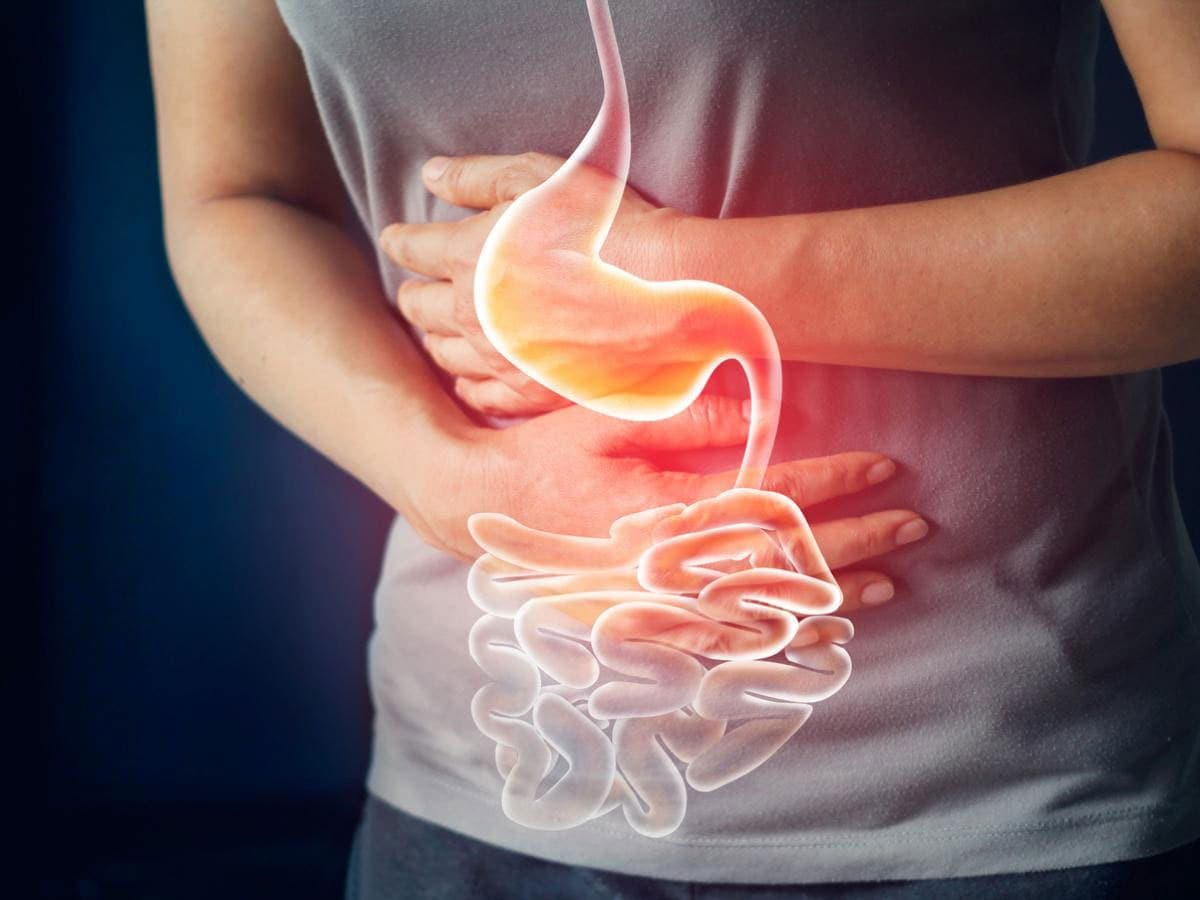
You know the feeling: straining, pain, days without relief.
Constipation affects 1 in 4 Americans, and the standard solution is always the same — laxatives, fiber supplements, or prescription stool softeners. These manage the symptom. They never address why your colon stopped working in the first place.
Here is what most doctors miss: constipation is often a nerve problem, not a gut problem.
In 23 years of practice as a CMRT specialist, I have seen chronic constipation resolve completely once we restored proper nerve function to the colon. Not by adding more fiber or taking more laxatives. But by identifying and correcting the spinal misalignments that paralyzed your colon's ability to move.
Let me explain how this happens, and why CMRT can finally get things moving again.
The Colon-Spine Connection: L1-L5 and Sacrum
Your colon is controlled by the autonomic nervous system through spinal nerves that exit at L1-L5 (lumbar vertebrae 1-5) and S1-S5 (sacral vertebrae).
These nerves regulate:
- Colon muscle contractions (peristalsis)
- Mucus production (the lubricant that allows stool to move)
- Water reabsorption (the balance between too-dry and too-loose stool)
- Sensation of fullness and the defecation reflex
When vertebrae at these levels become subluxated, the nerve signal gets interrupted. The colon then:
- Loses the ability to contract properly (peristalsis shuts down)
- Produces too little mucus (stool becomes dry and hard)
- Reabsorbs too much water (stool gets impacted)
- Fails to trigger the defecation reflex (you lose the urge to go)
Result: chronic constipation. But the root cause was never dietary — it was neurological.
This is why high-fiber diets often do not work for severe constipation. You can add all the fiber you want, but if the colon cannot contract, the stool will never move. It just gets compacted.
CMRT restores the nerve signal. The colon can contract again. Bowel movements resume naturally.
The Ileocecal Valve: The Most Overlooked Organ
At the junction between your small intestine and large intestine sits a valve called the ileocecal valve. This small organ has a huge job: it is a one-way door that allows processed food from your small intestine to move into your large intestine, and then prevents colon contents from backing up into your small intestine.
When the ileocecal valve malfunctions, it creates:
- Backup of small intestine contents (causing bloating and cramping)
- Undigested food entering the colon (causing fermentation and gas)
- Incomplete evacuation of the colon (worsening constipation)
The ileocecal valve is controlled by spinal nerves at L1-L2. When these vertebrae are subluxated, the valve loses its ability to function.
CMRT specifically targets the ileocecal valve reflex, restoring proper opening and closing. This alone often resolves chronic constipation that has resisted every other treatment.
For more on this overlooked organ, read The Ileocecal Valve: Most Overlooked Organ in Chiropractic.
Vagal Tone and Bowel Function
There is another piece: vagal tone.
The vagus nerve is the master regulator of the parasympathetic nervous system — the "rest and digest" state. When vagal tone is strong, your body prioritizes digestion and elimination. When vagal tone is weak, your body is stuck in "fight or flight" and digestion shuts down.
People with chronic constipation almost always have poor vagal tone. Their body is in chronic stress mode, and the colon has shut down. No amount of laxatives will fix this — the nervous system itself needs to be restored.
CMRT restores vagal tone by correcting subluxations in the upper cervical spine (C1-C3) and brainstem region. Once vagal tone improves, the colon naturally resumes its work.
The CMRT Large Intestine Protocol
When you come in with constipation, here is what I assess:
- Lumbar and sacral exam: Specific testing for subluxations at L1-L5 and sacral vertebrae
- Ileocecal valve palpation: Direct assessment of the valve's reflex point
- Vagal tone test: Simple assessments of your parasympathetic function
- History: How long the constipation has been present, dietary factors, medications (some cause constipation), and stress patterns
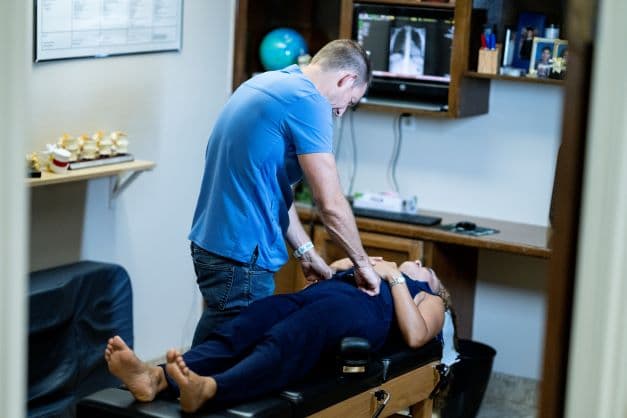
Then I apply the CMRT large intestine protocol:
- L1-L5 adjustments to restore colon and ileocecal valve nerve signal
- Sacral adjustments to restore pelvic nerve function
- Ileocecal valve reflex work to activate the valve
- Upper cervical adjustments for vagal tone restoration
- SOT blocks to hold alignment while the nervous system recalibrates
Most patients notice improvement within 3-4 visits. By visit 8-12, most have normal, regular bowel movements without any medications or supplements.
CMRT vs. Laxatives: The Real Difference
Laxatives and stool softeners:
- Provide temporary relief
- Work by forcing the colon to move chemically
- But they do not restore the colon's own ability to contract
- Long-term use can damage the colon's nerve endings (making constipation worse)
- You need to keep taking them indefinitely
CMRT:
- Restores the colon's ability to contract naturally
- Restores the ileocecal valve's function
- Restores vagal tone so your nervous system supports digestion
- No side effects
- Results are permanent (with maintenance care)
Most people can stop laxatives once CMRT has worked.
Internal Links: Related CMRT Content
For a deeper dive into the ileocecal valve, read The Ileocecal Valve: Most Overlooked Organ in Chiropractic. To understand vagal dysfunction, see The Vagus Nerve, Gut, Heart & Spine Connection. And for the broader spinal-organ connection, read The Spinal-Organ Connection: Foundation of CMRT.
Frequently Asked Questions
Will I have to take laxatives forever? No. Once CMRT restores colon nerve function, most patients achieve normal, regular bowel movements and stop needing laxatives. Some may use them occasionally during stress or diet changes, but regular dependence usually resolves.
What if my constipation is from medications? Many medications (opioids, antidepressants, blood pressure meds) cause constipation as a side effect. CMRT cannot change your medication, but it can significantly improve colon function despite the medication. Many patients find they need less stool softener once CMRT is in place.
How long will it take to get regular bowel movements? Most patients notice improvement within 3-4 visits. Consistent, regular bowel movements usually take 8-12 visits over 3 months. The longer the constipation has been present, the longer restoration takes.
Is CMRT safe for children with constipation? Absolutely. CMRT for children uses gentle techniques adapted to their spines. Pediatric constipation (which is common) responds beautifully to CMRT.
Can CMRT help with IBS-C (constipation-predominant IBS)? Yes. IBS and CMRT covers this specifically — many IBS-C patients are actually dealing with L1-L5 subluxation and ileocecal valve dysfunction.
Ready to Get Things Moving Again?
If you have struggled with chronic constipation, if laxatives have stopped working or you do not want to depend on them, if you want to restore your colon's natural function — CMRT is worth exploring.
Call (210) 685-1994 or book your free consultation. We will assess your spine, explain what is happening with your colon and ileocecal valve, and discuss whether CMRT can restore regular bowel function.
We are bilingual (English and Spanish) and located at 2318 NW Military Hwy Suite 103, San Antonio, TX 78231. Hours: Mon, Tue, Thu 7am-4pm.
Your colon is not broken. It is just not getting the right signal. Let us restore that signal.