Before You Say Yes to Spine Surgery, Get a Second Opinion
A San Antonio chiropractor's honest take on the questions worth asking before you sign the consent form.
A woman sat in my office last year with her surgery already on the calendar — three weeks out. She'd been told she needed a two-level fusion, she had the MRI printout folded up in her purse, and she was scared. Not of the pain. Of the surgery. She wasn't there to be talked out of it. She just wanted someone to look at the whole picture who wasn't the one holding the scalpel.
That's the part nobody says out loud: the person recommending the operation is very often the person who performs it. That doesn't make them wrong, and it doesn't make them dishonest. I've referred my own patients to surgeons and been grateful the option was there — good surgeons save people, full stop. But if the only opinion you've heard comes from the one profession whose tool for this problem is an operation, you're reading half the map and calling it the whole thing.
First — some things you should not wait on
Let me be straight before anything else. A second opinion is the right move for most back and neck problems, but not all of them. If you have any of these, this isn't a "let's try conservative care" situation. This is go-to-the-ER-now:
- Loss of bladder or bowel control
- Numbness in the saddle area (inner thighs, groin)
- Leg weakness that's getting worse by the day, or a foot that's started dragging
- High fever with severe back pain
Those are red flags for something that doesn't wait. If that's you, stop reading and get to a hospital. Conservative care is not the answer for those, and I'll be the first to tell you so.
For everyone else — which is most people
Here's what I wish more folks knew before the consent form.
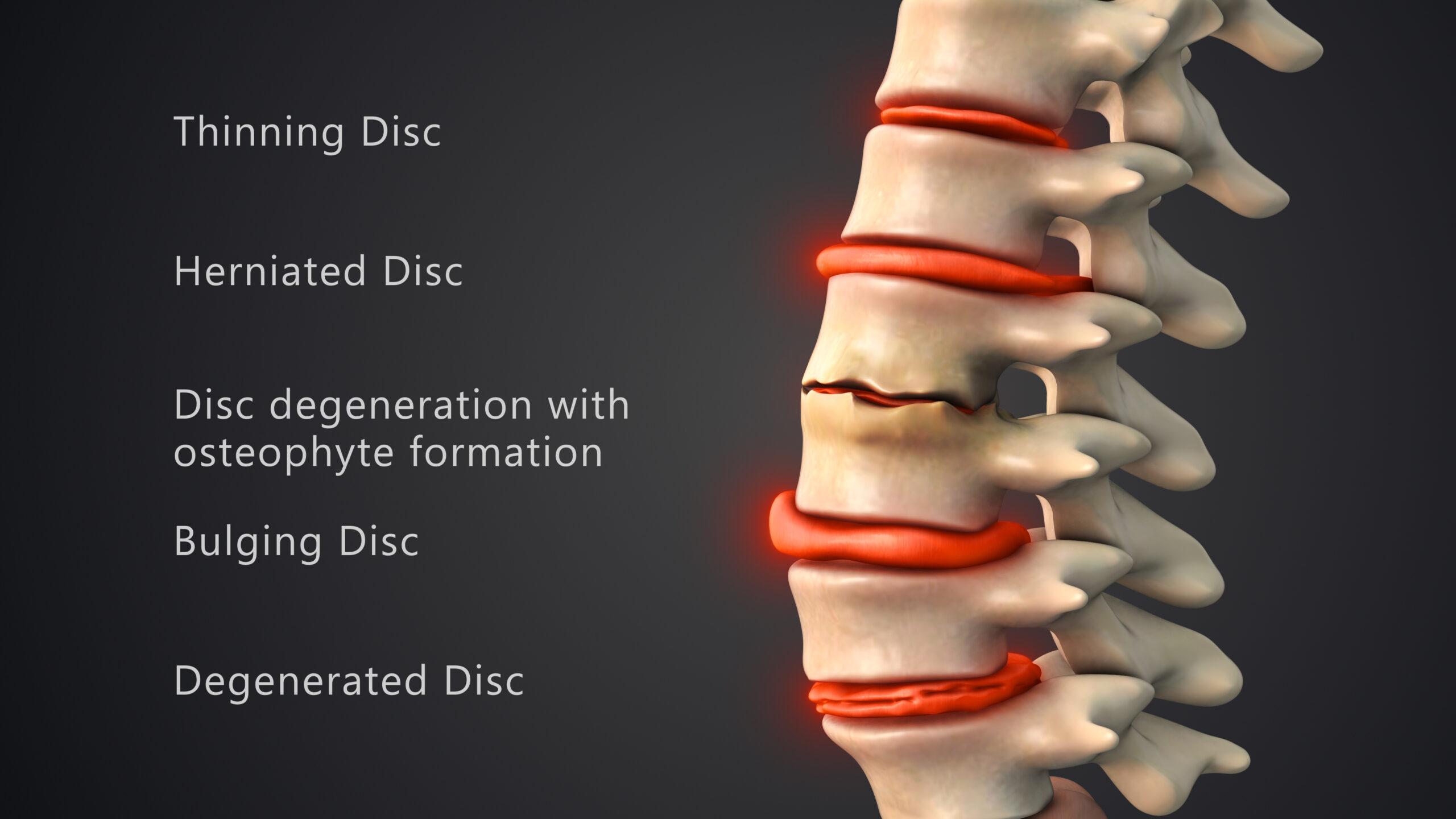
Most disc problems calm down. Bodies are better at reabsorbing a herniation than the fear lets you believe — not every time, not overnight, but the odds are a lot kinder than they feel when you're staring at your own MRI. Given time and the right care, a large share of the discs that look alarming on a scan settle on their own.
And an MRI doesn't tell you as much as you think. It shows what's structurally there. It does not tell you that's what's causing your pain. Take ten people off the street with zero back pain, scan them, and a good number will have "terrible"-looking discs they never knew about. So the question is never just what does the picture show — it's does the picture actually match your symptoms. That's a different question, and it's the one that gets skipped.
Here's the other thing. Same MRI, different city, different surgeon — and you'll sometimes get different recommendations. Surgery rates for the exact same findings vary more than most people would ever guess. That variation should tell you something: this is a judgment call more often than it's presented as one.
What a real second opinion looks like
The point of a second opinion isn't to collect a "no." It's to get a set of eyes from someone who doesn't perform the surgery and doesn't have a room booked for you. Bring your imaging. Ask hard questions and expect straight answers:
- If I don't operate and I give focused conservative care three honest months, what's the realistic risk to me?
- What specifically on my scan matches my symptoms — and what's just age showing up, the way gray hair shows up?
- For someone with my exact picture, what are the real odds this surgery relieves my pain? Not the best case. The honest average.
- What does recovery actually look like — and what happens at the levels above and below a fusion ten years down the road?
If the answers are vague, that's information too.
Where I sit
Twenty-three years in, and I'll tell you plainly: I'm not anti-surgery. I'm pro-knowing-your-options. Some people walk in and I look at them and say, straight up, you need the surgeon — don't let me waste your time. Other times, a few weeks of the right conservative care changes the whole conversation, and the operation they were three weeks out from stops being necessary.
You only get to make this decision once. It's worth a second set of eyes before it's irreversible.
If you're somewhere in San Antonio staring at an MRI and a surgery date, bring it in. I'll give you an honest read — including telling you if surgery really is your best path. That's the whole point of a second opinion.