Webster Technique for Breech Babies: A San Antonio Mom's Guide | Dr. Dan Foss
Is your baby breech? The Webster Technique is a gentle chiropractic method to help your baby move into head-down position naturally. Learn how Dr. Foss helps San Antonio moms optimize baby positioning.
It is around 32 weeks of pregnancy when you hear the words every expectant mom dreads: "Your baby is breech." In that moment, your mind races forward to induction dates, scheduled cesareans, and whether your birth plan is about to change. But before you accept that outcome as inevitable, I want you to know about the Webster Technique — and why it belongs in your toolbox during the final weeks of pregnancy.
For the past 23 years at Pura Vida Chiropractic, I have worked with pregnant moms across San Antonio to help their babies naturally optimize their position for birth. The Webster Technique is not what many people think it is. It is not a "turning maneuver." It is something much more elegant: a gentle, specific method to remove pelvic constraint so your baby has the space and freedom to turn head-down on their own.
Let me explain what this means, when it works best, and how it fits into your prenatal care plan.
What Breech Position Actually Is
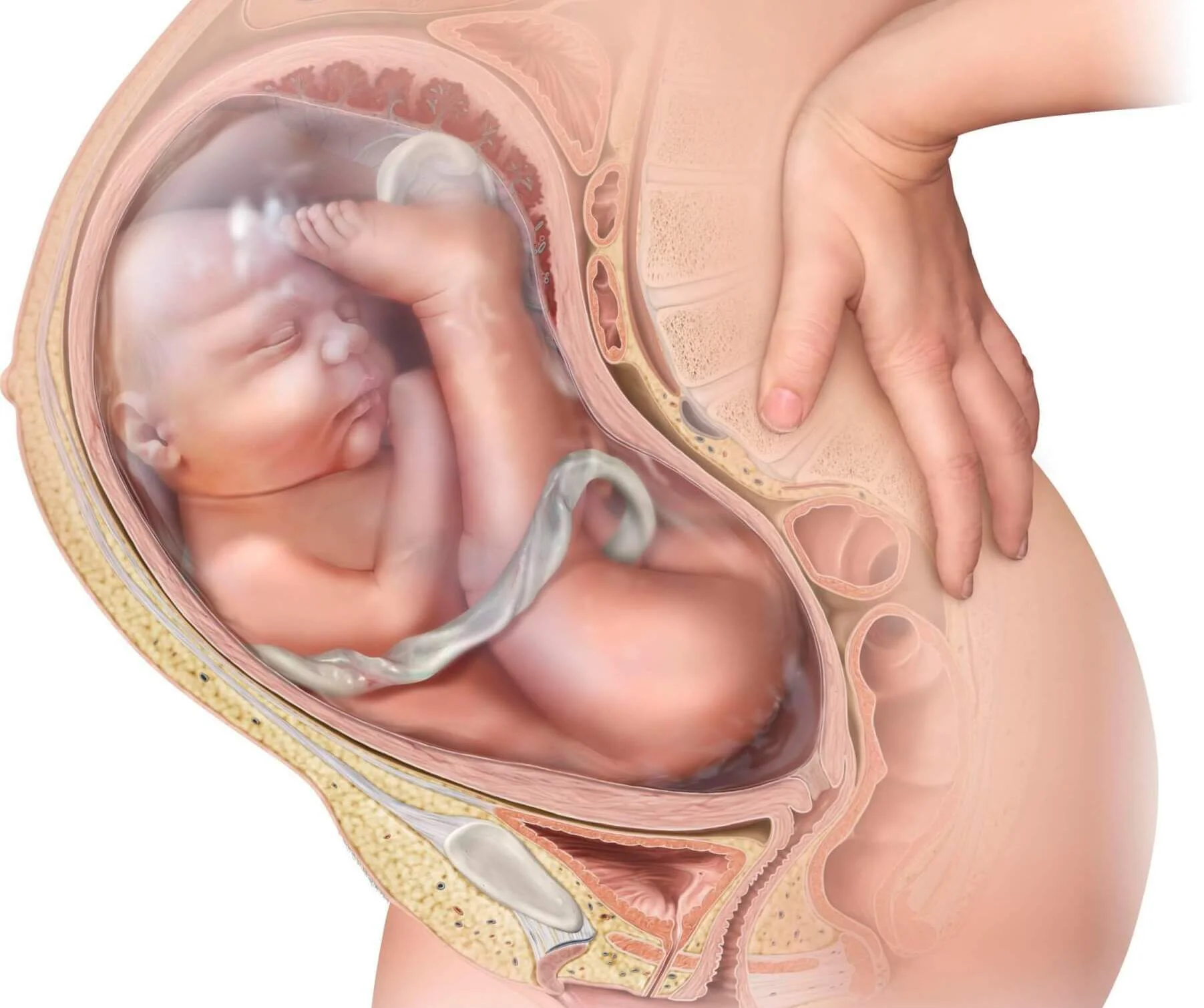
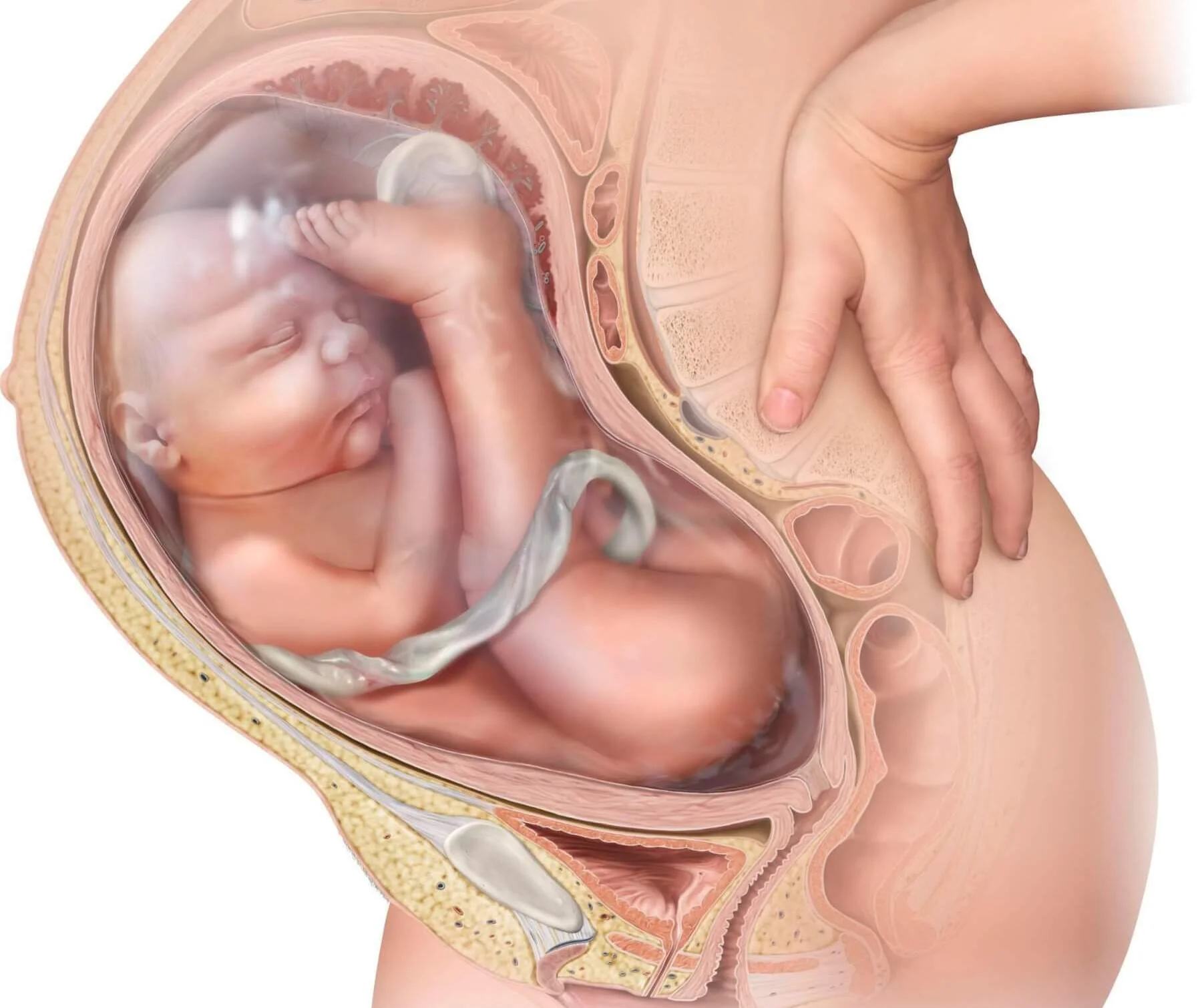
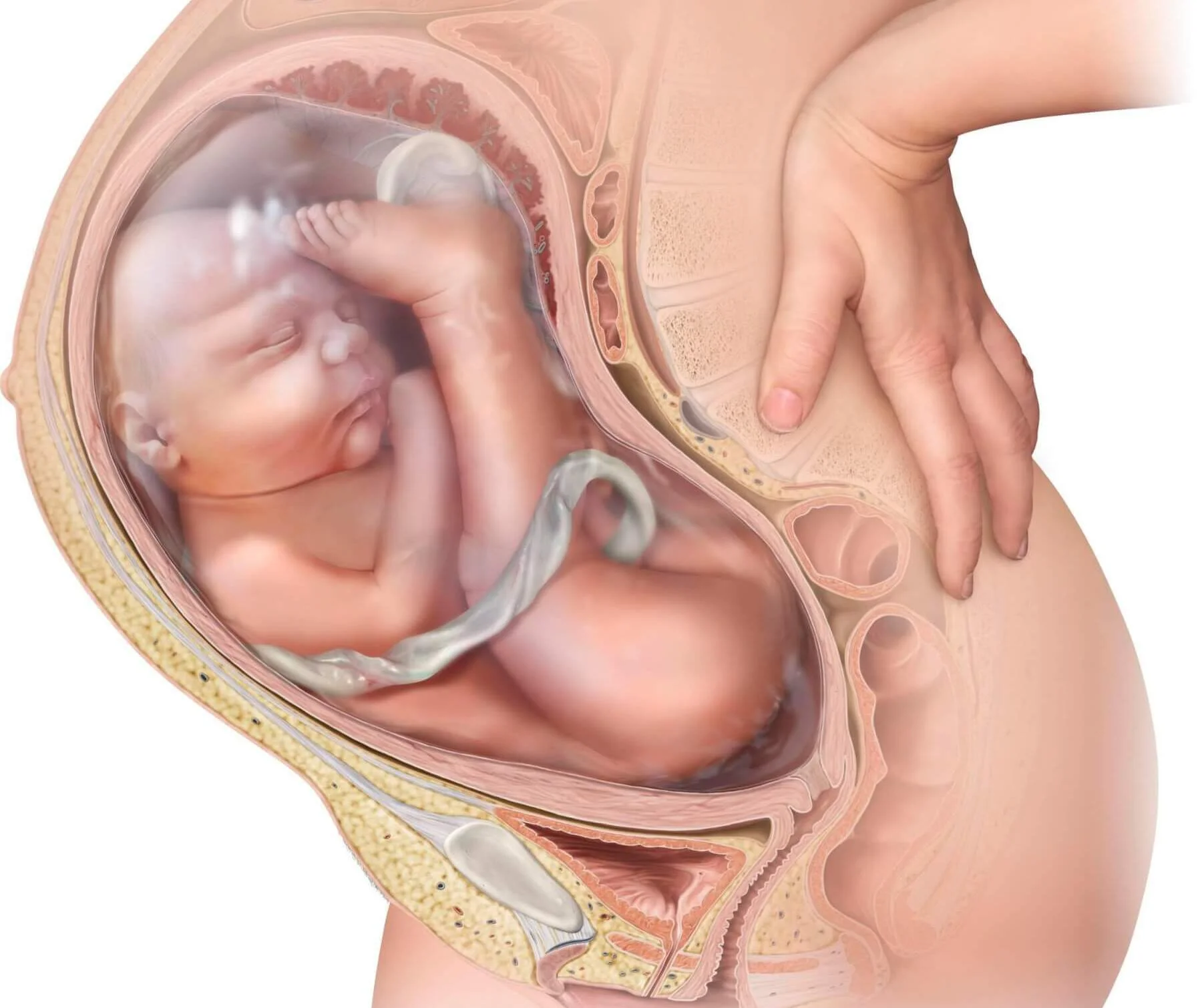
When a baby is in breech presentation after 32 weeks, it means the baby is positioned head-up instead of head-down. There are different types of breech — frank breech (hips bent, legs straight up), complete breech (hips and knees bent), and footling breech (one or both feet pointing down) — but the fundamental issue is the same: the baby's head is toward the mother's ribs instead of toward the pelvis.
Most babies move head-down naturally by 34-36 weeks. But about 3-4% remain breech. Why? The answer is not usually that babies are stubborn. It is usually that the mother's pelvis, sacrum, and pelvic ligaments have become tight, restricted, or misaligned in a way that constrains the space available for the baby to turn. Think of it like this: if the room is too small or the furniture is blocking the doorway, even a flexible baby cannot maneuver into an optimal position.
That is where chiropractic correction comes in.
The Webster Technique Is Not a "Turning Maneuver"
Here is what I tell every mom who comes into our office worried about breech: the Webster Technique does not force your baby to turn. It removes the structural barriers that prevent turning from happening.
The Webster Technique uses a specific analysis of your pelvis, sacrum, and sacroiliac joints to identify restrictions. Once identified, I use precise adjustments — delivered gently and specifically — to restore proper alignment and motion to those joints. The goal is to release tension in the round ligaments, the uterosacral ligaments, and the pelvic muscles. When that tension is relieved, your baby has more room. And when your baby has more room, they naturally reposition themselves.
This is why the Webster Technique is so different from obstetric external cephalic version (the manual "turning" that OBs sometimes attempt). It is not forceful. It does not involve external pressure on the baby. It works with your baby's innate drive to find the optimal position for birth.
When to Start Webster Care
The ideal time to begin Webster Technique is around 32 weeks of pregnancy — right when your OB or midwife confirms breech presentation. However, earlier is never too early. In fact, many of my pregnant patients begin receiving Webster care as early as 28-30 weeks as a preventive measure, even when their babies are already vertex (head-down). This preventive approach ensures that any developing pelvic restrictions are corrected before they become a barrier to optimal positioning.
Research on Webster outcomes shows that effectiveness is highest when care begins before 35 weeks. If your baby is already head-down but you want to maintain optimal pelvic balance through the third trimester, Webster care is equally valuable. It supports overall pregnancy wellness and prepares your pelvis for labor.
If your baby is breech after 35 weeks, Webster care can still help — it just may require more visits and coordination with your medical team. At Pura Vida, we never turn away a mom, no matter how late in pregnancy she arrives.
Why the Webster Technique Works: The Science Behind the Shift
The effectiveness of the Webster Technique rests on a simple anatomical principle: the baby will choose the most comfortable position available. When the mother's pelvis is balanced and there is no ligamentous or muscular constraint, babies naturally gravitate toward vertex (head-down) position. This is not random. It is biomechanically optimal for birth and for the baby's own comfort in the womb.
The Webster analysis addresses three main areas:
- The sacroiliac joints — where your sacrum meets your pelvis. Misalignment here creates asymmetry that constrains one side of the uterine space.
- The pelvic ligaments — especially the round ligament and uterosacral ligaments, which can become tight from postural changes and hormonal shifts during pregnancy.
- The pelvic floor muscles — which can develop reflex tension patterns that restrict space.
By using SOT (Sacro-Occipital Technique) principles combined with specific Webster adjustments, I restore balance to all three. The result is a pelvis that is symmetrical, mobile, and spacious — the ideal environment for a baby to turn head-down.
Published research on the Webster Technique, conducted by the International Chiropractic Pediatric Association, shows that when mothers receive Webster care before 35 weeks, approximately 75-82% achieve optimal fetal positioning. Those are meaningful odds — and they improve further when care is started earlier.
Webster Care at Pura Vida: What to Expect
When you come in for your first Webster visit, here is what happens:
The consultation and exam — We talk through your pregnancy, your due date, and what your OB or midwife has told you. I perform a thorough orthopedic and chiropractic assessment, examining your pelvis, sacrum, and spine for asymmetries and restrictions.
The adjustment — Using SOT techniques, I deliver specific, gentle corrections to restore pelvic balance. Most adjustments involve placement of soft wedge blocks under your pelvis while you lie on your side. The blocks use your own body weight and gravity to gently reposition the sacrum and restore proper alignment. There is no forceful twisting. No poking or pressing on the baby.
Post-adjustment guidance — After adjustment, I may recommend specific movements, stretches, or positions to support the correction. Many patients benefit from using a pregnancy pillow in a certain way, or from specific movements like hands-and-knees positions during the day.
Follow-up visits — If your baby is already breech, we typically see patients 1-2 times per week until the baby turns head-down. Once vertex position is achieved, we may continue care weekly or biweekly through delivery to maintain the balance and prepare your pelvis for labor.
The Spinning Babies Connection
You may have heard of Spinning Babies — the website and philosophy created by a midwife named Gail Tully. Spinning Babies teaches pregnant women specific positions and movements designed to help babies find optimal positioning naturally. It is excellent information, and many of my pregnant patients use it alongside their chiropractic care.
Here is how I see the relationship: Spinning Babies positions work best when the mother's pelvis is balanced. If pelvic restriction is preventing movement, even the most dedicated Spinning Babies work may not succeed. The Webster Technique removes that structural barrier so that the movements and positions your midwife or doula teaches you actually work. We are complementary approaches.
I recommend that you use both. Come to us for structural correction. Visit spinningbabies.com for movement guidance. Work with your midwife or doula for hands-on support. Your baby benefits from a team approach that addresses both structure and movement.
Coordinating with Your OB or Midwife
One of the most important conversations you will have is with your obstetric provider. Before starting Webster care, let your OB or midwife know. Most are supportive — they want the same outcome you do. In my 23 years of practice, I have built strong relationships with San Antonio OBs, midwives, and birth doulas. I document your care and provide updates to your medical team when appropriate.
If there are any contraindications — such as placenta previa, rupture of membranes, or a history of preterm labor — these need to be known before care begins. At your free consultation, bring any medical notes or ultrasound reports. We will review them together and make sure chiropractic care is appropriate for your specific situation.
Is Webster Care Safe?
Yes. When performed by a chiropractor trained in prenatal care, the Webster Technique is one of the safest interventions available for breech presentation. There are no drugs, no surgical risks, and no documented cases of harm to mother or baby. The technique is gentle, specific, and noninvasive.
That said, safety depends on proper training. Not every chiropractor is qualified to provide Webster care. At Pura Vida, I have completed advanced training in Webster Technique and carry Advanced SOT certification. This means I understand not only the adjustment itself, but also the anatomy of pregnancy, the biomechanics of fetal positioning, and how to adapt my technique to each stage of pregnancy.
We serve moms from Stone Oak, Castle Hills, Alamo Heights, Helotes, and across San Antonio. We are bilingual — English and Spanish — and we welcome you to our office to discuss your specific situation.
Beyond Turning: Webster Care for All Pregnant Moms
While the Webster Technique is most famous for helping breech babies, its benefits extend to all pregnant moms. Regular Webster care during pregnancy reduces back pain, sciatica, pelvic girdle pain, and round ligament pain. It improves pelvic symmetry and mobility, which supports easier labor and recovery. It prepares your pelvis for birth in a way that medications and external interventions cannot.
Whether your baby is already head-down or you want to prevent breech presentation, Webster care is an investment in your pregnancy wellness.
Ready to Explore Webster Technique?
If your baby is breech or you want to optimize your pelvic function during pregnancy, call us today. We offer a free consultation — no exam, no pressure, just a conversation about whether Webster Technique is right for you.
Call (210) 685-1994 or book your free consultation online. We are here to help you and your baby prepare for birth with confidence.
Your baby wants to turn head-down. Your pelvis deserves to be balanced. Let us help you give your baby the space to do what comes naturally.