Pain Between Your Shoulder Blades? Mid-Back Pain Causes and a San Antonio Chiropractor's Approach
Aching or burning between the shoulder blades? Dr. Dan Foss, DC explains common causes of mid-back pain, the red flags that mean go to the ER, and how SOT and CMRT care may help. San Antonio. (210) 685-1994.
On this page
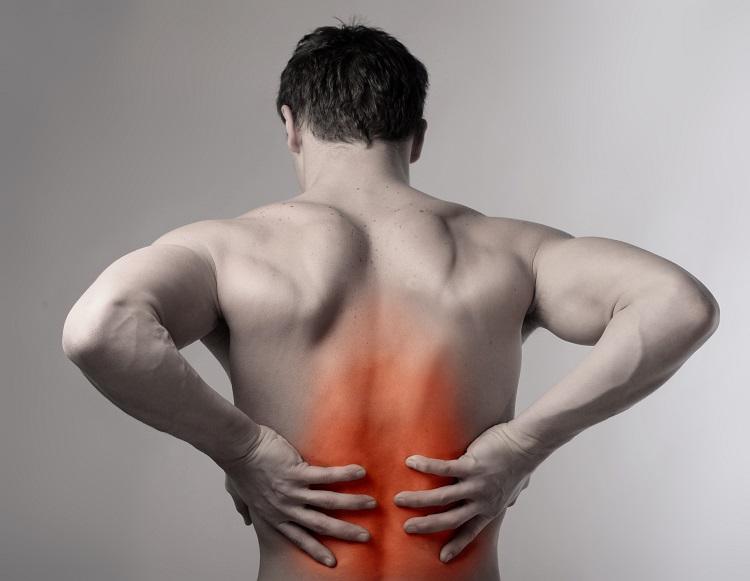
If you work at a desk in Stone Oak, drive I-10 every day, or spend your evenings hunched over a phone, you probably know the feeling: a deep ache, a knot, or a burning spot between the shoulder blades that never quite lets go. Stretching helps for ten minutes. A massage helps for a day. Then it's back.
Mid-back pain is one of the most common complaints we see at Pura Vida Chiropractic, and it is also one of the most misunderstood. Here is how to tell what you are likely dealing with, which symptoms mean you should skip the chiropractor and get emergency care, and what a thorough exam looks like when it is a mechanical problem.
First: When Mid-Back Pain Is Not a Chiropractic Problem
Most pain between the shoulder blades is musculoskeletal. But the mid-back sits right behind the heart, lungs, aorta, and upper abdomen, so a small number of cases are something else entirely. Call 911 or go to the nearest ER if your mid-back pain comes with any of these:
- Chest pressure, tightness, or pain spreading into the jaw, left arm, or neck, especially with sweating, nausea, or shortness of breath. Heart attacks, particularly in women, can show up as upper-back pain.
- A sudden, severe, tearing or ripping pain that radiates through to the back.
- Shortness of breath, coughing blood, or sharp pain that worsens with a deep breath, especially after a long flight or period of immobility.
- Fever with severe back pain, or pain after a significant fall or car accident.
- New weakness, numbness in the legs, or loss of bladder or bowel control.
Also tell a medical doctor promptly about unexplained weight loss, a history of cancer, or pain that is worst at night and does not change with position. These are uncommon, but they are the reason a proper history comes before any adjustment.
Why the Mid-Back Hurts
The thoracic spine is the long middle stretch of your spine, with twelve vertebrae. Each one connects to a pair of ribs, which makes this region sturdier and less mobile than your neck or low back. That stability is also why it tends to get stuck rather than injured. Common contributors include:
- Forward-head, rounded-shoulder posture. For every inch your head drifts forward, the muscles between the shoulder blades work harder to hold it up. Over months, those muscles become tight, tender, and fatigued. If this sounds like you, our posts on desk-job neck pain and text neck cover the neck side of the same pattern.
- Restricted rib joints. Where a rib meets the spine, small joints can lock up and produce a sharp, catching pain, often felt when you breathe in, twist, or reach. We cover this on our rib subluxation page.
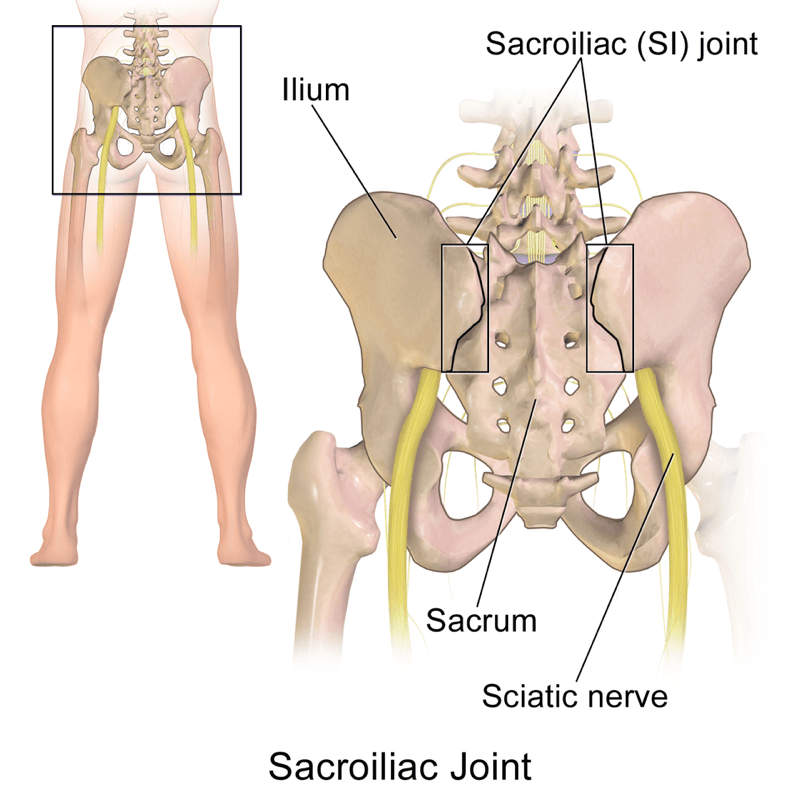
- Compensation from elsewhere. A stiff neck, a tilted pelvis, or a sacroiliac problem can push the mid-back to move more than it should, and it complains.
- Prolonged sitting and repetitive reaching. Hair stylists, dental hygienists, teachers, and anyone who works on a laptop tend to load the same spot all day.
- Referred pain from organs. This is less commonly discussed. The nerves that serve the stomach, liver, gallbladder, and pancreas share spinal levels with the mid-back, so organ stress can sometimes appear as a muscle-like ache in the same area. This is general anatomy, not a diagnosis, and it is why persistent, unexplained pain deserves a full look rather than just another massage.
Why It Keeps Coming Back
Many people treat the sore muscle and leave the cause alone. The rhomboid and mid-trapezius muscles hurt because they are being asked to do a job the spine, ribs, and posture should be sharing. Massage or a heating pad can quiet the muscle, but if the underlying segment is still stuck or the pelvis is still tilting the whole spine out of balance, the muscle gets overloaded again within days.
This is where our approach differs. Dr. Foss sees the spine, the organs, and the cranium as one connected system, so we look beyond the sore spot.
What an Exam at Pura Vida Chiropractic Looks Like
Dr. Dan Foss, DC has been in practice for more than 23 years and holds an Advanced certification in Sacro Occipital Technique (SOT). A visit for mid-back pain generally includes:
- A careful history and screening for the red flags above. If your symptoms point away from a mechanical cause, we refer you to the right medical provider the same day.
- Posture and movement assessment, including how your ribs move when you breathe and how your pelvis and neck are contributing.
- Segment-by-segment spinal evaluation to find which thoracic levels and rib joints are restricted.
- SOT pelvic and cranial assessment. SOT looks at how the pelvis and the base of the skull influence the entire spine. A low back tilt or tension at the skull-spine junction can be what keeps the mid-back working overtime.
- CMRT reflex testing. Chiropractic Manipulative Reflex Technique checks for organ-related reflex patterns that may be tied to a thoracic segment that keeps going back out. When one is found, it is addressed as part of the plan.
Care is gentle and tailored to you. SOT uses low-force positioning and pelvic blocks, and we do not rely on repeated forceful twisting of the mid-back. Depending on your case, we may add Class IV laser for stubborn muscular tenderness. You can read more about how we work on our SOT chiropractic and CMRT pages, and see our full mid-back pain overview.
What You Can Do This Week
- Break up sitting every 30 to 45 minutes. Stand, roll your shoulders back, and take a few slow breaths into the lower ribs.
- Try a doorway or wall stretch for the chest, since tight chest muscles pull the shoulders forward. Stay in a comfortable range and stop if anything tingles or sharpens.
- Do not push through sharp or worsening pain. Pain that is getting steadily worse deserves an evaluation, not another week of waiting.
Frequently Asked Questions
Can a chiropractor help with mid-back pain? For mechanical causes such as restricted thoracic or rib joints and postural overload, chiropractic care may help reduce pain and improve movement. A good chiropractor will also screen for red flags and refer you out when the pattern does not fit.
How do I know if it is my heart? You cannot tell reliably from the pain alone. If the pain comes with chest pressure, shortness of breath, sweating, nausea, or radiates to the jaw or arm, treat it as an emergency and call 911.
Do you offer care in Spanish? Yes. Dr. Foss and our team treat patients in English and Spanish. Lea esta información en español en nuestra publicación sobre el dolor entre los omóplatos.
Mid-Back Pain That Won't Quit? Let's Find the Reason.
We welcome patients from across San Antonio, including Castle Hills, Shavano Park, Stone Oak, Alamo Heights, Olmos Park, and Helotes. Call (210) 685-1994 or book a consultation. We are at 2318 NW Military Hwy Suite 103, San Antonio, TX 78231.
This article is for general education and is not a substitute for medical diagnosis or emergency care. Individual results vary.