Painful Periods? What Chiropractic Can (and Can't) Do for Menstrual Cramps in San Antonio
Severe menstrual cramps aren't something you simply have to endure. Dr. Dan Foss, DC explains the lumbosacral connection, red flags to see a doctor first, and gentle SOT care. San Antonio. (210) 685-1994.
On this page
Many women in San Antonio plan their month around their period. They clear the calendar for day one, keep a heating pad in the car, and quietly decide that cramps this bad are just part of being female.
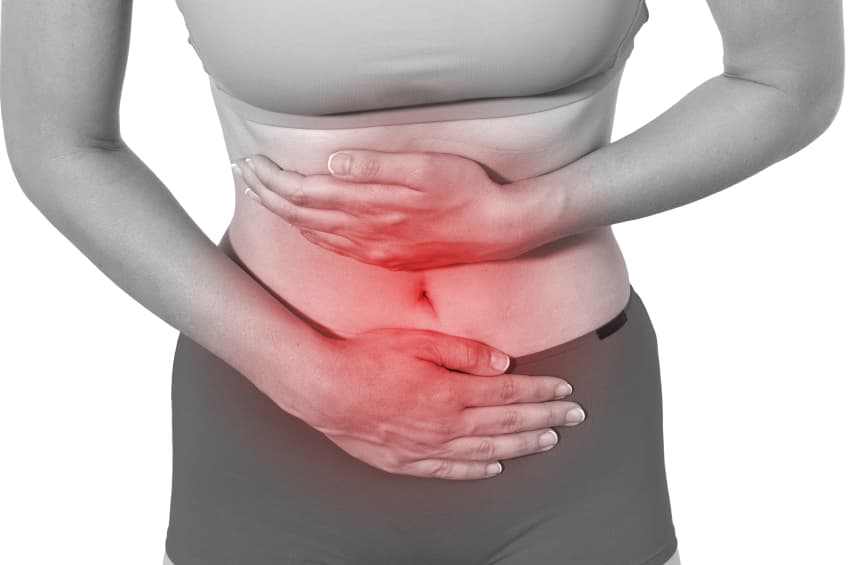
Some period pain is common. Pain that sends you to bed, makes you nauseated, or radiates into your low back and thighs every single month is common too — but common is not the same as normal, and it is not something you are required to simply tolerate.
I'm Dr. Dan Foss, and I've practiced chiropractic for more than 23 years. Here is an honest account of what may be going on, when you need a medical workup first, and where gentle chiropractic care can fit.
Why Periods Hurt
Menstrual pain has a name: dysmenorrhea. It comes in two forms, and the difference matters.
Primary dysmenorrhea has no underlying disease. The uterus contracts to shed its lining, and chemical messengers called prostaglandins drive those contractions. More prostaglandin activity generally means stronger cramping and more sensitivity to pain.
Secondary dysmenorrhea is pain caused by another condition — endometriosis, fibroids, adenomyosis, or pelvic inflammatory disease are the usual suspects. This pain often starts later in life, gets steadily worse, or shows up with other symptoms.
Chiropractic care is not a treatment for any of those diseases. That is exactly why the first step, if your pain is severe or changing, is getting a proper diagnosis.
The Lumbosacral Connection
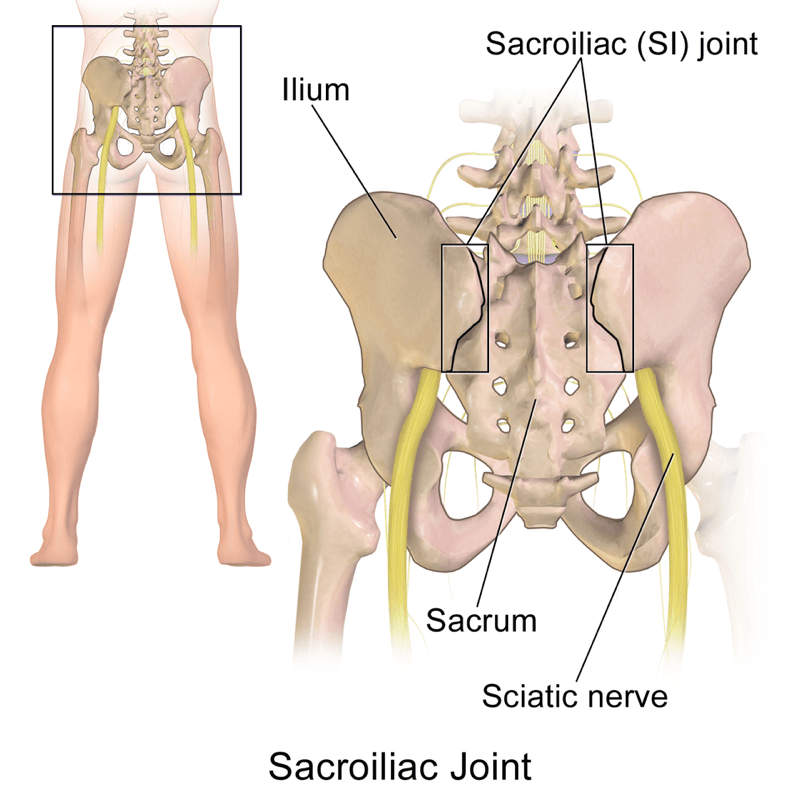
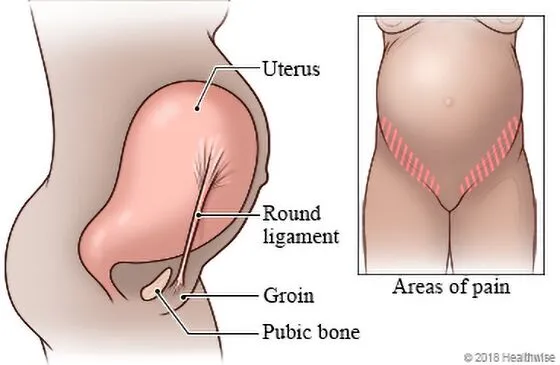
Here is where the spine enters the picture. The nerves that supply the uterus and pelvic tissues travel through the lower lumbar spine and the sacrum. The uterus is also held in place by ligaments that attach to the sacrum and the pelvis.
When the sacrum is jammed, the sacroiliac joints are irritated, or the pelvis is twisted, a few things can happen:
- The tissues around the uterus can carry more mechanical tension.
- Nerve signalling in the low back and pelvis can become more reactive.
- The low back, hips, and pelvic floor can tighten and amplify whatever the uterus is already doing.
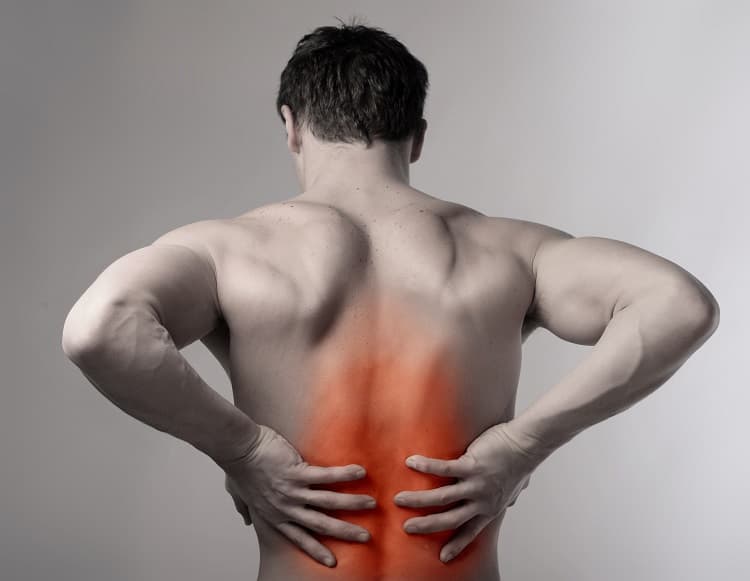
None of this means a misaligned bone "causes" your period. It means the pelvis can be one of the factors that turns an uncomfortable cycle into a miserable one — and that factor is one we can examine and address. If you also notice low back or hip pain that flares around your period, our guides to sacroiliac joint problems and SI joint pain explain the mechanics in more detail.
Our Approach at Pura Vida
Most people expect a chiropractor to look at the painful area only. At Pura Vida, we look at the spine, the organs, and the cranium as one connected system.
- Pelvic and sacral evaluation. We assess how the sacrum, the sacroiliac joints, and the lumbar spine move and where they are restricted.
- Sacro Occipital Technique (SOT). I'm Advanced SOT certified. SOT uses gentle, low-force methods — including pelvic blocking — to support sacral and pelvic balance. There is no twisting or forceful cracking, which matters when your abdomen and back are already sore.
- CMRT organ-reflex work. Chiropractic Manipulative Reflex Technique looks at reflex points related to the reproductive organs, bowel, and surrounding tissues. It is one way we explore the relationship between organ function and spinal patterns. You can read more in our overview of women's hormonal health and CMRT.
- Practical guidance. Heat, movement that suits your cycle, and anti-inflammatory eating habits are all worth discussing, and we'll go over what fits you.
Many patients tell us the pelvic and low back component is the part they feel changing first. Responses vary from person to person, and we do not promise a particular result. Our goal is to support your body so cycles are more manageable. You can see how this fits with our broader approach on the dysmenorrhea condition page and our SOT chiropractic page.
When to See a Doctor First
Please get medical care promptly — not a chiropractic appointment — if you have any of the following:
- Sudden, severe pelvic pain, especially with fever, fainting, or vomiting
- Soaking through a pad or tampon every hour for several hours
- A possible pregnancy with pain or bleeding (this can be an emergency)
- Pain with intercourse, bowel movements, or urination that is new or worsening
- Periods that were once easy and have become steadily more painful
- Pain that does not respond to the measures your doctor has recommended
It is also reasonable to ask your doctor about endometriosis if your pain has been severe for years. Telling you to see a physician is not a failure of chiropractic care. It is how we make sure you get the right kind of help. If you take prescribed medication, please do not change or stop it without talking to your prescriber.
What a First Visit Looks Like
We start with a conversation about your cycle, your pain pattern, and your history. Then we examine your spine, pelvis, and posture. If something suggests your symptoms need a medical evaluation, we will say so plainly and refer you out.
Our office is at 2318 NW Military Hwy, Suite 103, in the 78231 area. We see patients from Castle Hills, Shavano Park, Stone Oak, Alamo Heights, Olmos Park, and Helotes. We are bilingual, so you can explain symptoms in English or Spanish — and we have a Spanish version of this article, Dolor Menstrual y Quiropráctica en San Antonio.
Frequently Asked Questions
Can a chiropractor help with menstrual cramps? It may help for some women, particularly when low back, sacroiliac, or pelvic mechanics are part of the picture. It is not a replacement for medical evaluation, and it does not treat conditions like endometriosis or fibroids.
Is it safe to see a chiropractor during my period? Generally yes. SOT is gentle and low-force, and we adjust our approach to how you feel that day. If you are bleeding heavily or may be pregnant, tell us at the start.
How do I know if my pain is normal? Pain that keeps you from work, school, or daily life, that is getting worse, or that comes with the warning signs above deserves a medical evaluation. Don't wait.
How many visits will it take? That depends on how long the pattern has been present and what we find. We usually reassess after a short series of visits and tell you honestly whether care is helping.
Do you treat women who do not speak English? Yes. Our care is fully bilingual, in English and Spanish.
Ready for a Different Kind of Answer?
If your periods are controlling your calendar, call us at (210) 685-1994 or visit our new patient page to get started. We'll listen first, examine thoroughly, and give you a straight answer — including when the right next step is your doctor.