Osteoporosis Prevention: The Chiropractic Foundation | San Antonio TX
Osteoporosis affects 1 in 2 women and 1 in 8 men over 50. Dr. Dan Foss explains how chiropractic care, posture alignment, and SOT support long-term bone health.
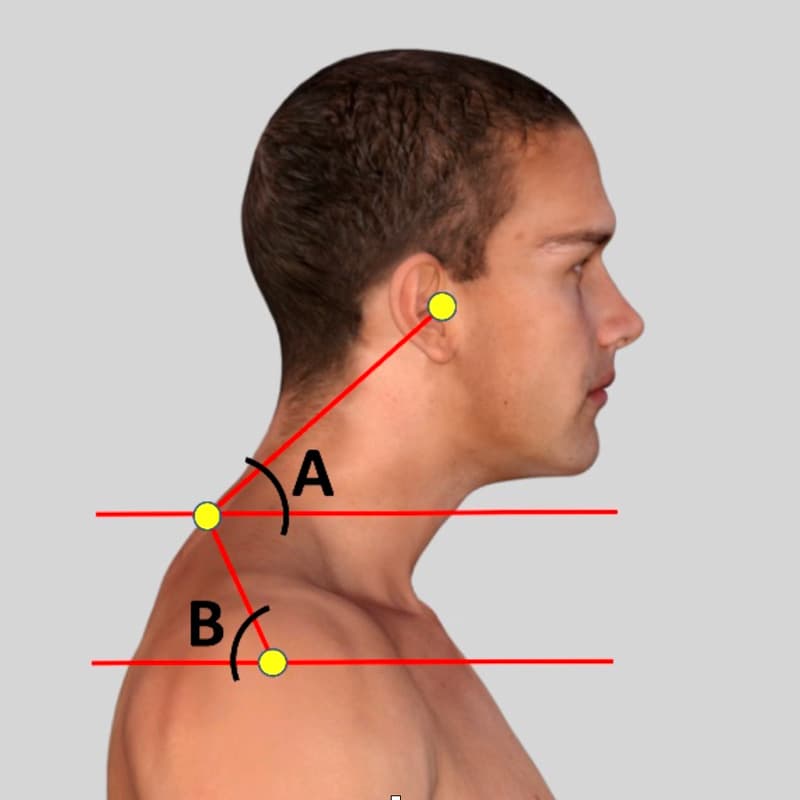
If you are over 50 and reading this, here is something I want you to know: osteoporosis does not develop because you lack calcium and vitamin D alone. It develops because your skeleton stops receiving the physical signals it needs to stay strong. And here is the good news — your chiropractor can help address one of the most overlooked foundations of bone health: proper spinal alignment and biomechanical loading.
In 23 years of practice, I have watched countless patients in San Antonio slow and even reverse early bone loss through chiropractic care combined with proper nutrition and exercise. Let me walk you through what osteoporosis actually is, why your spine alignment matters more than you think, and how my work in Sacro-Occipital Technique (SOT) and Chiropractic Manipulative Reflex Technique (CMRT) fits into a comprehensive approach to bone health.
The Scope of Osteoporosis in America
The numbers are sobering. Approximately 28 million Americans have osteoporosis or are at high risk. The disease causes roughly 1.5 million fractures per year — most commonly in the hip, spine, and wrist. The cost to the healthcare system exceeds $15 billion annually, and that is just direct treatment expenses.
Women are disproportionately affected. One in two women over the age of 50 will experience an osteoporosis-related fracture in her lifetime. For men, the risk is lower but significant — one in eight men over 50 will have a fracture related to low bone density.
What is particularly frustrating is that osteoporosis is largely preventable through lifestyle, alignment, and proactive care. Yet most people do not discover they have bone loss until they break something.
What Osteoporosis Actually Is
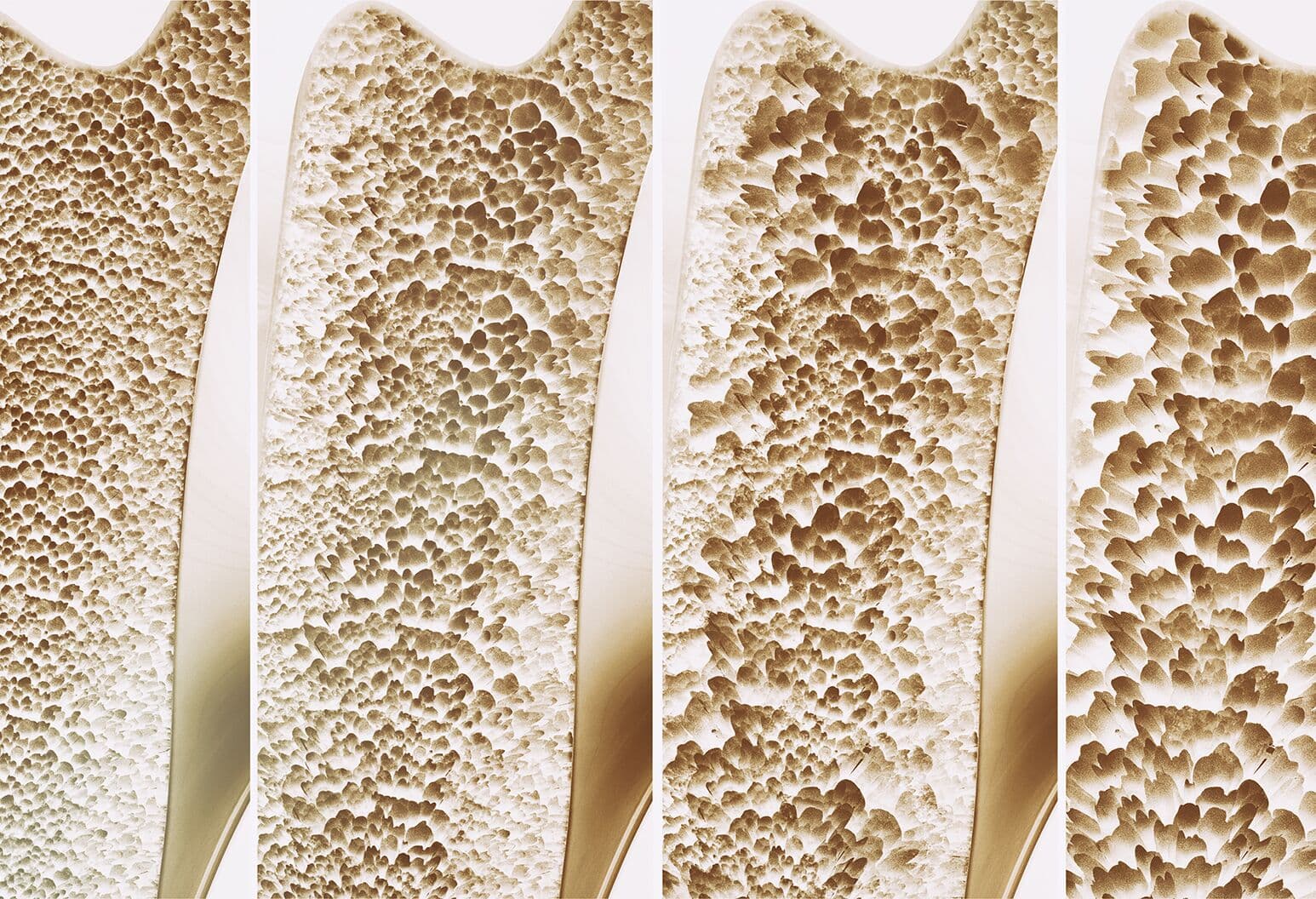
Osteoporosis is not simply "thin bones." It is a progressive loss of bone mineral density combined with deterioration of bone architecture — the internal honeycomb structure that gives bone its strength.
Healthy bone is dynamic. It is constantly being remodeled. Old bone is removed by cells called osteoclasts, and new bone is laid down by cells called osteoblasts. In healthy people, these two processes stay balanced. Bone maintains its density and structural integrity.
In osteoporosis, this balance breaks down. Osteoclasts remove bone faster than osteoblasts can replace it. Over time, bone becomes porous, fragile, and prone to fracture even from minor trauma — sometimes just a fall from standing height.
The traditional medical view of osteoporosis focuses almost entirely on calcium intake, vitamin D status, and sometimes bisphosphonate medications to slow bone loss. These tools have a place. But they miss something fundamental: the nervous system and mechanical loading.
Wolff's Law and the Biomechanics of Strong Bones
In the 1800s, a German surgeon named Julius Wolff made an observation that is still not widely understood: bone responds to the mechanical stress placed upon it. This principle is known as Wolff's Law.
In simple terms: if you load a bone, it gets stronger. If you do not load a bone, it atrophies.
Think of an astronaut in zero gravity. Within weeks, astronauts lose bone density because their skeleton receives no mechanical stress. Now think of a patient who has been immobilized in a cast. The bone under the cast weakens significantly compared to the opposing limb.
Conversely, dancers, athletes, and people engaged in weight-bearing exercise maintain higher bone density into old age because their skeletons are constantly receiving signals: "We need you to be strong."
For your spine specifically, Wolff's Law means that proper postural alignment directly influences vertebral bone density. When your spine is misaligned — particularly in conditions of forward head posture or chronic kyphosis (excessive upper-back rounding) — your vertebrae are receiving abnormal stress distribution. This faulty load pattern accelerates bone loss in those segments and increases the risk of compression fractures.
This is where chiropractic intervention becomes critical.
Posture, Alignment, and Osteoporosis Risk
One of the most common patterns I see in patients over 50 is forward head posture combined with kyphotic collapse — a hunched, rounded spine. This posture does three dangerous things:
- It concentrates abnormal stress on the lower cervical and upper thoracic vertebrae, accelerating bone loss in these segments.
- It shifts your center of gravity forward, causing your muscles to work harder to keep you upright and increasing fall risk.
- It compresses the organs in your thoracic cavity, including the lungs and heart, which can reduce oxygen delivery to bone-building cells.
When I evaluate a patient with osteoporosis concern, the first thing I assess is spinal alignment — from the pelvis all the way up through the cervical spine. Postural collapse is not just cosmetic. It is a bone health problem.
Here is where SOT (Sacro-Occipital Technique) becomes foundational. Unlike high-velocity chiropractic adjustments, SOT uses gentle, precise corrections supported by small wedge blocks placed under the pelvis. These blocks use your own body weight and gravity to gradually restore pelvic balance and normalize the curves of your spine — from the sacrum all the way to the cervical spine.
By restoring proper postural alignment, SOT helps your skeleton receive normalized mechanical loading. Over time, this signals your body to maintain — and in some cases rebuild — bone density.
The Cervical Spine and the Cranial-Sacral Connection
Many people think of osteoporosis as a lower-spine problem. In my experience, the problem often starts higher up — at the junction where your skull meets your spine, and at the pelvic foundation below.
Your cervical spine (neck) and your sacrum (base of the spine) have a reciprocal relationship. When the pelvis is misaligned, your cervical spine compensates by tilting and rotating. This creates tension in the upper neck, compresses the small joints of the cervical vertebrae, and accelerates bone loss in that region.
The pituitary gland, which sits at the base of your skull, also influences your autonomic nervous system — the system that controls bone remodeling. Through SOT Craniopathy (a specialized technique I am one of the few practitioners in San Antonio trained to perform), I can assess and gently correct the cranial-sacral relationship. This optimization supports the pituitary's function and promotes healthier nervous-system signaling to bone-building cells throughout your body.
The Nervous System's Role in Bone Remodeling
Here is something most people — and many healthcare providers — do not know: your autonomic nervous system directly controls whether your body builds bone or loses it.
The sympathetic nervous system (your "fight or flight" system) actually suppresses osteoblast activity — the cells that lay down new bone. Chronic stress, poor posture, and spinal misalignment all increase sympathetic tone. Over time, this physiologically favors bone loss.
Parasympathetic activation (your "rest and digest" system) promotes osteoblast activity and supports bone remodeling. SOT and cranial work are specifically designed to calm the nervous system and shift you toward parasympathetic dominance. This is not mystical. It is applied neurology.
CMRT, Organ Reflex Points, and Thyroid-Parathyroid Function
I offer a technique called CMRT (Chiropractic Manipulative Reflex Technique) that is relatively rare in the chiropractic profession. CMRT identifies reflex points on the spine and body that correspond to organ function. By working these points, I can influence visceral organ activity and normalize reflexes that affect systemic health.
One of the most relevant reflexes for osteoporosis is the thyroid-parathyroid axis. The parathyroid glands directly regulate serum calcium levels and bone remodeling rates. When the cervical and upper thoracic spine are misaligned, nerve interference can suppress parathyroid function. Through CMRT, I can address this reflex directly, supporting more optimal calcium metabolism and bone turnover.
Very few doctors of chiropractic offer this level of care. It is part of what makes the Pura Vida approach different.
Nutrition, Supplementation, and Lifestyle
Chiropractic does not replace nutrition. Calcium, magnesium, vitamin K2, and vitamin D are all essential for bone health. But I want to be clear: supplementation alone, without proper movement and postural alignment, will not prevent osteoporosis.
Movement and weight-bearing exercise are non-negotiable. Walking, resistance training, tai chi, and functional movement all send the "build strong bone" signal to your skeleton. My role is to make sure your spine and pelvis are aligned so that these activities are safe and effective.
Vitamin D deserves special mention. Optimal vitamin D levels (around 40-60 ng/mL) are associated with better bone density and lower fracture risk. If you have not had your vitamin D checked in the last year, ask your primary care provider.
Why Falls Prevention Matters More Than Supplements After 60
Here is a hard truth: after age 60, most osteoporosis-related deaths and disabilities are caused by falls and fractures, not by inadequate calcium intake. A 60-year-old woman with "normal" bone density who falls can sustain the same fracture as an 80-year-old woman with severe osteoporosis.
This shifts the clinical priority. Beyond bone density, you need balance, proprioception (body awareness), and reflexes that prevent falls. These are neural functions controlled by your spine, your vestibular system (inner ear), and your proprioceptive pathways.
SOT improves proprioception and balance by restoring proper spinal mechanics and improving nervous system signaling. One of the most common comments I hear from older patients is: "I feel steadier on my feet. I feel more confident walking."
That confidence, backed up by improved biomechanics, is how we prevent the catastrophic fractures that often mark the beginning of decline in older adults.
Chiropractic Is Complementary, Not Alternative
I want to be absolutely clear: chiropractic care for osteoporosis is complementary to your relationship with your primary care physician and any specialists involved in your care — whether that is an endocrinologist, rheumatologist, or orthopedic surgeon.
If you are on a bisphosphonate medication like alendronate (Fosamax), you should continue taking it as prescribed by your doctor. Chiropractic enhances your overall bone health strategy. It does not replace medication or medical monitoring.
Similarly, if your doctor recommends a bone density scan (DEXA scan), that is valuable information. Bring those results with you when you come in, and we can discuss how chiropractic fits into your overall bone health plan.
What to Expect at Your First Visit
If you are concerned about osteoporosis or want to take a proactive approach to bone health, here is what happens:
- Free consultation. We sit down and discuss your history, any family history of osteoporosis, your current symptoms, and your goals.
- Comprehensive physical examination. I assess your spinal alignment, posture, balance, and proprioception. This tells me where your skeleton needs support.
- Personalized care plan. Based on my findings, I explain what I see and design a plan appropriate to your needs — whether that is SOT, CMRT, cranial work, or a combination.
We are bilingual — English and Spanish — and serve patients from Stone Oak, Castle Hills, Alamo Heights, Helotes, and across the San Antonio area.
Ready to Build Stronger Bones?
Osteoporosis is preventable, and early intervention matters. Whether you are concerned about bone density, recovering from a fracture, or simply want to age with confidence and strength, chiropractic care focused on alignment and nervous system health is one of the most valuable investments you can make.
Call (210) 685-1994 or book your free consultation online. We will talk through your concerns and discuss whether our approach is right for you.
Your skeleton has been keeping you upright for decades. Let us help it stay strong for decades more.