Pain Around the Kneecap? Runner's Knee, Stairs, and What Actually Helps
Kneecap pain on stairs, squats, or after sitting? Dr. Dan Foss, DC explains runner's knee, the hip and foot link, red flags, and care in San Antonio.
On this page
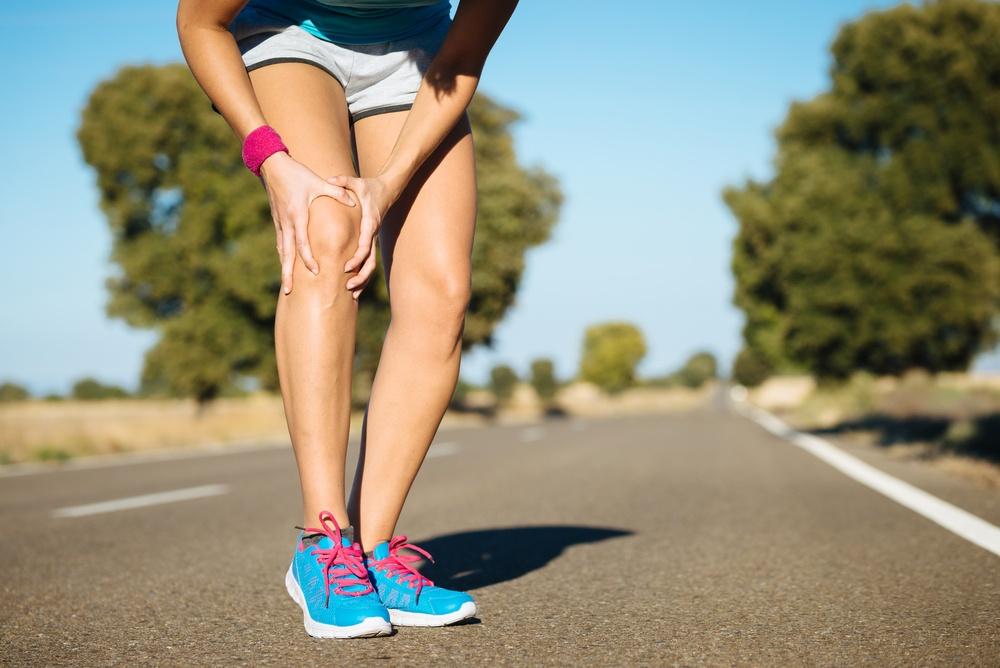
It starts as a dull ache around the kneecap. You notice it going down the stairs at work, then standing up after a movie, then on the downhill stretch of your usual run.
Nothing happened. No fall, no pop, no twist. It feels like the knee is wearing out, but in most cases the knee is the victim, not the cause.
What Runner's Knee Actually Is
The medical name is patellofemoral pain syndrome. Your kneecap (patella) sits in a groove at the end of your thigh bone (femur). Every time the knee bends under load, the back of the kneecap presses into that groove. When the pressure is higher than the joint can comfortably handle, or the kneecap doesn't glide evenly, the front of the knee gets sore.
You don't have to be a runner to get it. We see it in hikers, soccer players, teenagers in growth spurts, and workers who squat or climb stairs all day.
The Classic Signs
Runner's knee has a recognizable pattern:
- A dull ache around or behind the kneecap, rather than one sharp spot.
- Worse going down stairs than up. Descending loads the kneecap in a bent position under body weight.
- The "theater sign." The knee aches after sitting with it bent for a while, and you want to straighten it out.
- Worse with squatting, kneeling, lunges, and downhill running.
- Little or no swelling, and the knee doesn't lock or give way.
If your pattern looks different, the red flags section below matters more than anything else here.
Why the Knee Usually Isn't the Real Problem
The kneecap is a passenger. Where it tracks depends on what the hip above it and the foot below it are doing. Three drivers show up again and again.
The hip lets the knee cave in. When the muscles on the outside of the hip can't hold the pelvis level, the thigh drops and rotates inward with every step. The knee drifts toward the midline, and the kneecap is pulled off its ideal path. Try a slow single-leg mini squat in front of a mirror. If the knee collapses inward, that's a clue.
The foot collapses under you. A foot that rolls in heavily (overpronation) turns the shin inward, which changes how the kneecap meets the groove. Worn-out shoes make this worse.
Load went up faster than the tissue could adapt. A new training plan, a jump in mileage, added hills. Tissue adapts to load, but it needs time. In San Antonio, many runners and walkers ramp up in the fall once the heat breaks, and that rush back to longer miles is a common setup for runner's knee.
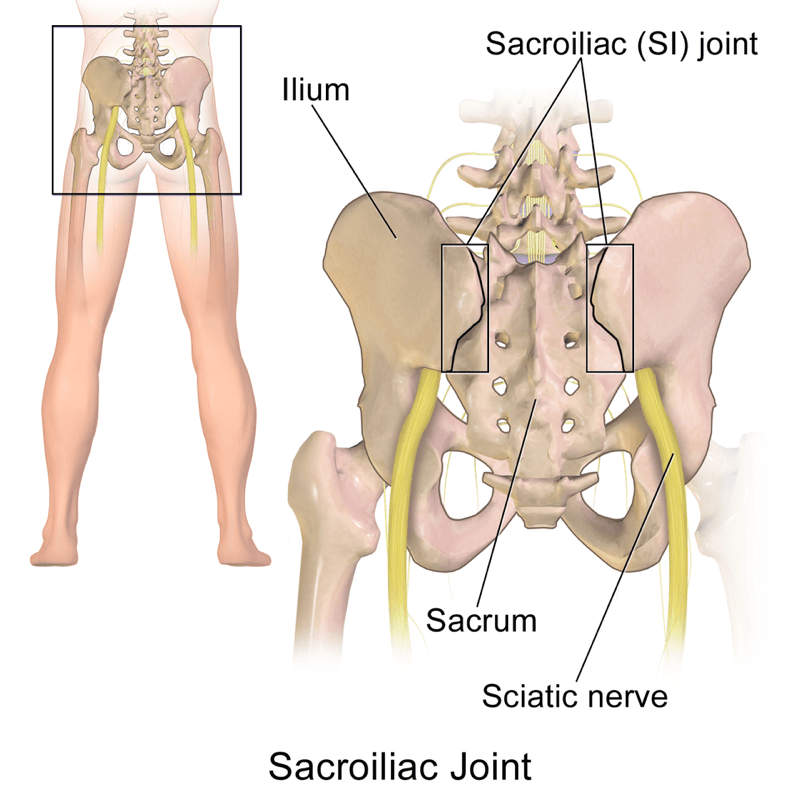
The pelvis ties these together. If the sacroiliac joints aren't moving well, the hip muscles can't fire properly and the whole leg loads unevenly. Our complete knee pain guide walks through this chain in more detail.
Red Flags: When It's Not a Chiropractic Problem
See a medical provider promptly, not a chiropractor first, if you have:
- Rapid swelling after a pop or twisting injury. That can mean a ligament tear or fracture and needs imaging.
- Locking, catching, or the knee giving way. These suggest a mechanical problem such as a meniscus tear or loose body. See our page on meniscus injuries.
- You can't bear weight or can't straighten the knee.
- A hot, red, swollen knee, especially with fever. Joint infection is an emergency.
- Calf pain, swelling, or warmth along with knee pain, especially after a long drive, flight, or surgery. That needs to be checked for a blood clot the same day.
- A child or teen with knee pain and a limp, or pain that also involves the hip or groin. Some hip conditions in adolescents show up as knee pain, and they're time-sensitive. A child should be evaluated by a pediatrician.
- Night pain that doesn't ease with rest, or knee pain with unexplained weight loss.
I refer these out the same day. Getting the right diagnosis first matters more than any treatment.
How We Approach Runner's Knee at Pura Vida
The goal is to calm the irritated joint, fix whatever keeps overloading it, and get you back to the activity you love.
- Assess the whole chain. Knee, foot and ankle, hip, sacroiliac joints, and lower back. Movement tests show where the leg loses control.
- Restore pelvic and lower-extremity mechanics. Using Sacro Occipital Technique, we gently address pelvic and lower-back restrictions, then work on the hip, knee, and ankle joints themselves.
- Strengthen the hip and thigh. Progressive strengthening of the hip and quadriceps is one of the best-supported parts of runner's knee care. We'll show you a plan you can do at home and how to progress it without flaring things up.
- Adjust the load, not just the leg. That might mean trimming mileage for a few weeks, swapping hills for flat routes, changing cadence, or checking your shoes. Most people can stay active in some form while the knee settles.
- Support recovery when it's stubborn. For persistent cases, Class IV laser therapy may help calm irritated tissue alongside the hands-on work. Evidence for laser and shockwave therapy in runner's knee is still limited, so we use them selectively, not as the main event.
Because we look at the spine, organs, and cranium as one system, we also watch for things that slow recovery in general, like poor sleep and ongoing stress. That's part of the Pura Vida Protocol.
Quick Self-Care While You Wait
Cut back rather than stop, so pain stays mild during activity and the day after. Choose flatter routes like the Leon Creek and Salado Creek greenways or the Mission Reach over the hills around Stone Oak, and stretch the leg out during long sits.
Frequently Asked Questions
Is runner's knee the same as arthritis? No. Runner's knee is an irritation of the joint behind the kneecap and is common in young, active people. Arthritis involves cartilage changes over time. They can overlap in older adults, which is one reason an exam matters.
Should I keep running with runner's knee? Often yes, at a reduced level, as long as pain stays mild and isn't building week over week.
Can a chiropractor help runner's knee? Chiropractic care can help when hip, pelvis, or foot mechanics are contributing, which they often are. It works best combined with strengthening and smart load changes. Mechanical injuries like ligament or meniscus tears get referred.
What about IT band pain? Pain on the outside of the knee during runs is more often IT band syndrome, a close cousin with similar hip-driven causes. Learn more on our IT band syndrome page and in our sports injury guide.
Get Back on the Trail
Runner's knee is rarely dangerous, but it can quietly take away the runs and hikes that keep you sane. If it keeps coming back, the missing piece is usually above or below the knee.
We see patients from across San Antonio, including Castle Hills, Shavano Park, Stone Oak, Alamo Heights, Olmos Park, and Helotes, in English and Spanish. Learn more on our runner's knee condition page or our sports chiropractic page.
Call (210) 685-1994 or book a free consultation. We're at 2318 NW Military Hwy Suite 103, San Antonio, TX 78231.