The Detox Bath Recipe That Actually Helps: A San Antonio Chiropractor's Complete Guide to 7 Conditions It Eases | Pura Vida
A San Antonio chiropractor's evidence-aware detox bath recipe (epsom salt + baking soda + magnesium flakes), the seven conditions it genuinely helps, when NOT to use it, and the SOT structural pairing that turns a 20-minute soak into lasting relief.
On this page
Somebody told you to take a detox bath — a friend, a yoga teacher, a wellness influencer, your sister-in-law who has opinions about everything. You looked it up and got a wall of articles all saying roughly the same thing — epsom salt pulls toxins out of your body through your skin — and roughly none of them telling you what is actually in the bath, how much to use, what conditions it genuinely helps, or whether the whole premise survives ten minutes of honest scrutiny.
It mostly does not. And it mostly does. Both of those things are true at once, and that is why you keep getting confused.
I am Dr. Dan Foss, DC, of Pura Vida Chiropractic in San Antonio. Advanced SOT-certified — the only Advanced SOT certification in the San Antonio area — Webster-certified for prenatal care, with 23+ years treating the conditions that send people looking for a detox bath: chronic muscle pain, post-car-accident inflammation, fibromyalgia, sympathetic-locked stress, sleep-onset insomnia, eczema, the stiff aching aftermath of an honest workout.
This is the version of the detox-bath guide I wish my patients had been handed. The science is real but smaller than the marketing claims. The clinical effect, in the right population for the right condition, is larger than the cynics say. Below: the properly dosed recipe, the seven conditions where it genuinely helps, the honest list of who should not be in that tub, and the part nobody else writes — the structural correction that turns a 20-minute soak from a comfort measure into the back half of an actual treatment plan.
What "Detox" Actually Means Here (an Honest Critique)
The popular framing — warm water plus epsom salt pulls toxins out of your body through your skin via osmosis — is biologically wrong. Any clinician who tells you otherwise is misinformed or selling something.
Skin is a barrier, not a drain. Heavy metals, pesticide residues, and the other "toxins" wellness blogs gesture at do not migrate out of your bloodstream into your bathwater. Your liver, kidneys, gut, lungs, and lymphatic system are your detox organs. A bath is not one of them.
So why write this article? Because the bath itself produces a stack of physiological effects that are measurable, real, and clinically useful — just not the effects the marketing claims:
-
Vasodilation. Heat opens peripheral blood vessels; skin blood flow can increase several-fold during a 20-minute immersion, with downstream effects on tissue perfusion and clearance of inflammatory mediators.
-
Parasympathetic activation. Twenty minutes of warm immersion with slow breathing shifts heart rate variability toward parasympathetic dominance. Cortisol drops, vagal tone rises — the nervous-system state your body uses to repair and sleep, and the state most chronically stressed adults barely touch.
-
Lymphatic mobilization. The lymphatic system has no central pump. Warm-water immersion produces a gentle hydrostatic gradient that mobilizes stagnant lymph. Not "detox through the skin" — your own lymphatic system doing its job better.
-
Modest transdermal magnesium uptake. The peer-reviewed literature is mixed — the 2017 Nutrients systematic review called the evidence weak; smaller studies showed measurable serum rises from topical application. What is clear: any uptake lands in a population where ~48% of American adults are below the recommended daily intake. Modest uptake matters more in a deficient population.
-
Heat-shock-protein response. Heat upregulates HSP70 and related proteins involved in cellular repair — the same signal underlying sauna research's cardiovascular benefits, in a milder dose.
-
Breaking sympathetic lock. You cannot think your way out of chronic sympathetic dominance, but you can soak your way down a couple of notches. The bath works through thermoreception, skin pressure, and breath rather than cognition — which is precisely why it works when meditation does not.
That stack is real physiology, and it is the intervention for the conditions below.
The Recipe (the Pura Vida Version)
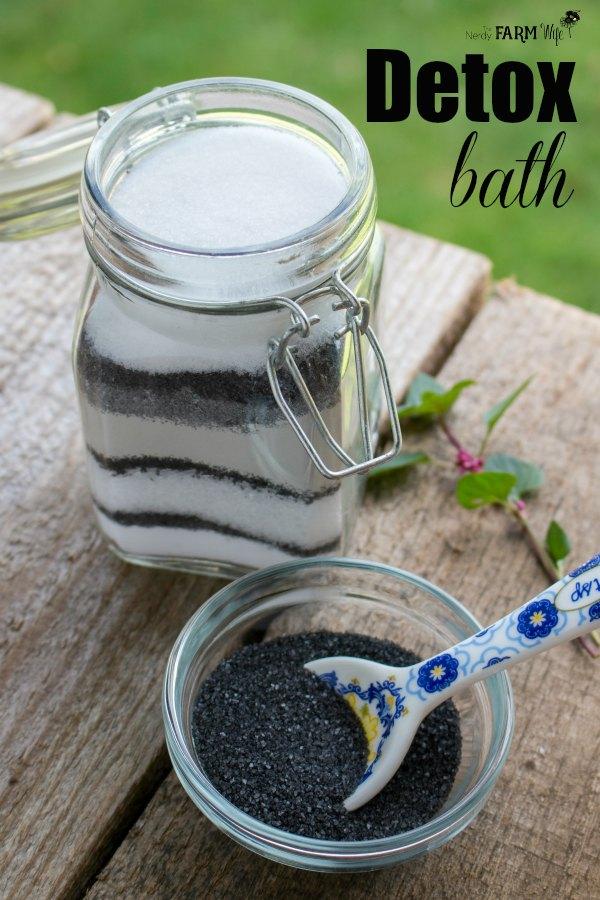
This is what I prescribe in clinic. It is more concentrated than typical online recipes because clinical effect requires clinical dosing. Most lifestyle-blog versions under-dose both the epsom salt and the magnesium — you will feel the difference within one bath.
What you need:
- A standard bathtub filled to cover you to the collarbones when reclined
- 2 cups epsom salt (magnesium sulfate, USP-grade if available — HEB, Walgreens, CVS, Amazon, $4–$10/2 lbs)
- 1 cup baking soda (sodium bicarbonate — helps magnesium dissociate, softens water, mildly alkalinizes skin)
- 1 cup magnesium flakes (magnesium chloride — more bioavailable transdermally than the sulfate form; this is the real upgrade over the standard recipe). Ancient Minerals or Premier Research Labs are reliable.
- Optional: 1/2 cup bentonite clay. Honest disclosure: the evidence that bentonite binds toxins through skin is limited and largely traditional. It leaves the water silky, mildly buffers pH, and produces a sensory experience patients find meaningful. Use it because it feels good, not because a blog promised it pulls mercury out of your fillings.
- Optional: 5–10 drops essential oil — lavender for sleep, frankincense for inflammation, eucalyptus for circulation, Roman chamomile for skin, bergamot for mood. Skip in first-trimester pregnancy and young children.
Water temperature: 100–104°F. Hot enough to feel a real flush within the first minute. Cooler than 100°F and you lose vasodilation; hotter than 104°F and you risk dehydration, heat exhaustion, and — in pregnancy or cardiovascular disease — actual danger. A cheap kitchen thermometer is worth owning.
Duration: 20 minutes minimum, 30–40 for full clinical effect. Under 20 minutes does not give the autonomic nervous system enough time to shift fully parasympathetic. Over 40 minutes is diminishing returns.
Frequency:
- Acute (post-MVA week 1–2, fibromyalgia flare): daily for 7–14 days.
- Chronic (chronic muscle pain, eczema, sleep-onset insomnia, high-volume training cycle): 2–3x per week.
- Maintenance: 1–2x per week, ideally Sunday night.
- Chlorine exposure: that evening, extra baking soda (1.5 cups), skip the essential oils.
Method:
- Run the bath hot enough that you will lose 2–3°F getting in.
- Dissolve epsom salt and baking soda under the running tap; add magnesium flakes last. Sprinkle clay across the surface (it suspends rather than dissolves). Drop essential oils in last, swirling.
- Hydrate first. Full glass of water before, during, and after. Non-negotiable in San Antonio summer.
- Get in slowly. Recline so water covers to the collarbones. Phones in another room.
- Stand up slowly afterward — vasodilation drops blood pressure and a fast exit can produce a head-rush.
- Apply magnesium lotion or oil while pores are still open (first 5 minutes post-soak).
- For sleep protocols, go directly to bed — the post-bath core-temperature drop over the next 60–90 minutes is the trajectory the body uses to fall asleep.
The 7 Conditions Where a Detox Bath Genuinely Helps
1. Post-MVA (Motor Vehicle Accident) Inflammation
San Antonio averages ~250 MVAs per day. Most people I see in the first week post-crash are in sustained sympathetic activation — fight-or-flight that has not switched off — with diffuse muscle guarding and inflammatory chemistry the body cannot clear.
Why the bath helps: Parasympathetic shift is the central mechanism. A nervous system stuck in fight-or-flight cannot fully heal. Vasodilation increases circulation to muscles in protective spasm; magnesium addresses the calcium-magnesium balance that determines whether a muscle can relax.
Pura Vida add-on: Post-MVA care uses SOT chiropractic for cervical-pelvic dural tension, Class IV laser for inflammation deeper than a bath can reach, and acoustic wave therapy for connective tissue damage. The bath is a between-visit recovery tool. See our auto-injury chiropractor page for the full protocol.
2. Chronic Muscle Pain and Fibromyalgia
Fibromyalgia is a central pain processing disorder. The CNS has lowered its pain threshold; muscles report normal stimuli as painful; sleep fragments; mornings are stiff.
Why the bath helps: Magnesium is a positive modulator of GABAergic signaling — the calming side of CNS regulation. Fibromyalgia patients tend to be magnesium-depleted and glutamate-dominant. Even modest magnesium delivery, combined with parasympathetic shift, measurably reduces central pain amplification for hours afterward. Many fibromyalgia patients report their best sleep on bath nights.
Pura Vida add-on: SOT structural work addresses the dural tension contributing to CNS irritability, plus cranial chiropractic for vagal tone. Two to three baths weekly paired with clinical care is what consistently moves the needle.
3. Post-Workout Recovery (High-Volume Sessions)
The science is most clearly on the bath's side here. Post-exercise warm-water immersion has been studied repeatedly and consistently shows reduced DOMS, faster return-to-baseline of inflammatory markers, and improved next-day performance.
Why the bath helps: Heat increases blood flow to clear metabolites. Magnesium addresses contractile chemistry — muscles that cannot release calcium back into the sarcoplasmic reticulum stay tight. Parasympathetic shift accelerates the recovery hormonal milieu.
Pura Vida add-on: Athletes combine the bath with SOT category protocols, acoustic wave therapy for tendinopathy, and Class IV laser for acute strains. A bath the night before a hard session (drop sympathetic tone) and the night after (clear metabolites) is the rhythm that works.
4. Eczema and Atopic Dermatitis Flares
Why the bath helps: Baking soda gently buffers eczematous skin pH and calms itch. Magnesium reduces histamine reactivity in studies. Warm water hydrates the stratum corneum, the central goal in atopic management. For eczema specifically, raise baking soda to 1.5 cups and lower epsom salt to 1 cup — concentrated magnesium sulfate can dry compromised skin.
Open, weeping, or infected lesions are different — if skin is breached, the bath can sting and worsen things. Talk to your dermatologist in an acute flare.
Pura Vida add-on: The itch-scratch cycle is partly central. Many eczema patients have upper cervical and cranial restriction patterns affecting vagal tone and histamine regulation. Cranial SOT has produced real improvements in atopic patients alongside dermatologist-directed skin care.
5. Stress-Induced Sympathetic Lock and Anxiety
The most common use case in my practice. Patients in sympathetic lock cannot turn off — low heart rate variability, racing thoughts at night, clenched jaw, shoulders at the ears. Meditation does not work because the moment they sit still, activation surges.
Why the bath helps: It bypasses cognition. Thermoreceptor stimulation, the breath-slowing warm water naturally produces, the magnesium-GABA effect, and the removal of phone/email override the sympathetic setpoint for the soak and several hours after.
Pura Vida add-on: Chronic sympathetic lock is structural and neurological, not just a stress problem. Cranial SOT addresses the cranial and upper cervical patterns affecting vagal tone. The bath is the daily home tool; the structural work moves the setpoint.
6. Sleep-Onset Insomnia
Difficulty falling asleep is most often a thermoregulation and autonomic problem — the body cannot drop core temperature and the nervous system cannot shift parasympathetic when the brain is supposed to switch off.
Why the bath helps: The most beautifully matched mechanism in this list. A 20–30 minute bath at 100–104°F raises peripheral skin temperature, triggering a compensatory core-temperature drop 60–90 minutes later — exactly the trajectory the body uses to initiate sleep. Multiple sleep studies show warm-water bathing 1–2 hours before bed shortens sleep-onset latency by ~10 minutes on average — enormous for someone who has been lying awake 90.
Pura Vida add-on: Brainstem structures regulating sleep-wake transitions sit in close anatomical relationship to the cervical spine and cranial base. Patients pairing three baths a week with cranial SOT routinely move from 45-minute sleep latency to 10–15 minutes within 4–6 weeks.
7. Chlorine and Pool Exposure
Specifically relevant in San Antonio summer — pool days for kids, masters swimmers at the Y, weekends at Schlitterbahn. Chlorine and chloramine residues bind to skin and hair, oxidize keratin, dry the stratum corneum, and for sensitive patients produce a low-grade dermatitis that lingers for days.
Why the bath helps: Baking soda is the active ingredient. Sodium bicarbonate neutralizes residual chlorine and chloramines on skin chemically. For post-pool, raise baking soda to 1.5 cups, keep epsom salt at 1 cup, skip essential oils, and add extra water intake to rehydrate the barrier.
Pura Vida add-on: For competitive swimmers and chronic chlorine-sensitive patients we sometimes add brief Class IV laser over inflamed areas. For kids, a shorter version (10–15 minutes, half doses, water at 98–100°F) after every pool day cuts the seasonal eczema flare we see across San Antonio.
When NOT to Do a Detox Bath
The bath is broadly safe for healthy adults. It is not safe for everyone. Skip or modify if:
- First trimester of pregnancy. Elevated core temperature in early pregnancy is associated with neural tube defect risk. Use an epsom salt foot bath at 98–100°F instead.
- Preeclampsia, gestational hypertension, or any pregnancy complication. Get OB clearance. Even low-risk later pregnancy: keep water under 100°F.
- Severe cardiovascular disease, recent heart attack, uncontrolled hypertension or hypotension. Sudden vasodilation can drop blood pressure abruptly. Talk to your cardiologist.
- Open wounds, surgical incisions under 2 weeks, active skin infections (cellulitis, impetigo, herpes outbreaks). Concentrated salt water on breached barrier hurts and can worsen the wound.
- Infants under 6 months in concentrated doses. Babies can have warm baths, but skip the heavily salted version — skin barrier and renal mineral handling are still maturing. For older babies and toddlers, halve the dose, keep water at 98°F, limit to 10 minutes.
- Diabetic foot neuropathy or peripheral arterial disease. Reduced sensation can let you scald yourself without feeling it. Always test water with a thermometer. Limit to 15 minutes.
- Severe magnesium toxicity risk — late-stage kidney disease, certain medications. Your prescribing physician can clear you in 60 seconds.
- Acute fever. Treat the fever first.
The Pura Vida SOT Structural Pairing (the Piece Nobody Else Writes)
This is what distinguishes a comfort measure from a treatment plan.
A detox bath relaxes the muscle. It does not fix the joint dysfunction driving the muscle to spasm in the first place.
This is the truth of chronic muscle pain that wellness culture refuses to address. The reason your traps are always tight is not that you have not soaked enough. The reason your low back lights up every Tuesday is not a magnesium deficit. The reason your jaw is clenched at 3 a.m. is not that you skipped your last detox bath. Muscles spasm because the joint they cross is not moving correctly, because the dural membrane is under asymmetric tension, or because a nerve root is irritated upstream. The muscle is downstream of the structural problem.
The bath is recovery. SOT is correction.
Sacro-Occipital Technique (SOT) was developed by Dr. M.B. DeJarnette specifically to address the dural-membrane relationship between the sacrum and the occiput. It uses three category protocols:
- Category 1 addresses the cranial-sacral respiratory mechanism — the slow rhythm of cranial bone motion and sacral counter-motion driving cerebrospinal fluid flow. Category 1 patients often have headaches, sleep problems, and diffuse autonomic complaints.
- Category 2 addresses sacroiliac instability and pelvic dural tension driving leg pain, sciatica-pattern complaints, and chronic low back pain.
- Category 3 addresses lumbar disc involvement and the dural-root tension patterns driving radicular leg pain.
I am the only Advanced SOT-certified chiropractor in San Antonio. That training includes cranial SOT (Craniopathy) — gentle, specific work on the bones of the skull addressing the dural tension upstream of many conditions in this article.
For tissue work patients cannot replicate at home: Class IV laser therapy (therapeutic-grade infrared penetrating 3–5 cm, accelerating ATP production in damaged cells) and acoustic wave therapy (extracorporeal shockwave increasing circulation to the injured tissue, powerful for chronic tendinopathy and post-MVA connective-tissue injuries).
The combination patients respond to is consistent: a 20–40 minute bath two to three times a week at home, paired with a 1–3x weekly clinical protocol addressing the structural cause. The bath is recovery; the clinical work is correction. Together they compound.
A Foot-Bath Alternative
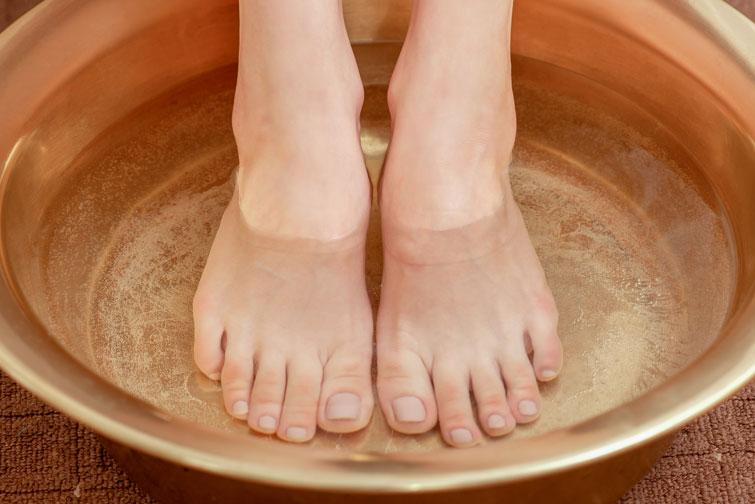
Not everyone has a usable bathtub — apartment showers, mobility limitations, first-trimester pregnancy, post-surgical restrictions. The epsom salt foot bath delivers ~60–70% of the clinical effect at 10% of the production cost, through the most absorptive skin surface on the body.
Frequently Asked Questions
Does a detox bath actually pull toxins out of my body? No. Skin is a barrier, not a drain. Your liver, kidneys, gut, lungs, and lymphatic system handle detoxification. What a warm mineral bath actually does is shift you into parasympathetic dominance, dilate blood vessels, mobilize stagnant lymph, deliver a modest dose of magnesium, and quiet the central nervous system. Real and useful — just not "detox" in the popular sense.
Is epsom salt better than magnesium flakes? Different. Epsom salt is magnesium sulfate; flakes are magnesium chloride. Chloride is more bioavailable transdermally; sulfate participates in liver detoxification pathways and is cheaper. Use both, as in the recipe — the upgrade most online recipes miss.
Can I take a detox bath every day? For acute conditions, yes. For maintenance, 2–3x per week — daily can dry skin and over-deplete electrolytes through sweat losses.
How long until I feel results? Sleep, stress, and acute muscle pain: most patients feel it during the bath and for hours after. Chronic conditions like fibromyalgia and eczema: 2–4 weeks of consistent practice paired with structural care. If no change after 14 days, the condition needs a structural workup — call 210-685-1994.
Is this safe during pregnancy? First trimester: skip the full bath (heat risk). Use the foot bath instead. Later pregnancy without complications: fine under 100°F for 20 minutes. With complications: OB clearance first. Webster Technique addresses the structural side — see our prenatal chiropractic page.
Can kids do a detox bath? Yes, reduced doses, cooler water. Halve epsom salt and baking soda, skip magnesium flakes for kids under 6, keep water at 98–100°F, limit to 10–15 minutes. For kids with eczema, restless legs, or growing pains, this can be a wonderful nightly ritual.
What essential oils should I avoid? Skip wintergreen, birch, camphor (cardiotoxic in concentrated doses), peppermint and eucalyptus in children under 6, and all essential oils in first-trimester pregnancy. Lavender, Roman chamomile, and frankincense are the safest broadly applicable choices.
Should I shower after the bath? For sleep and stress, no — leave the minerals on the skin to keep absorbing. For chlorine recovery, a brief warm rinse is fine. For sensitive or eczema-prone skin, a quick rinse can help if salt feels too concentrated.
How do I know if I am getting too much magnesium? Loose stool is the earliest sign. Reduce frequency or dose if you notice it. Magnesium toxicity from baths in healthy people is essentially unreported; the only real risk population is severe kidney disease.
Ready for the Structural Side?
If you are doing the baths and the relief keeps fading — the muscle tightens again three days later, the migraines come back, the sleep is still fragmented, the post-MVA stiffness will not resolve — that is the moment the bath has done what it can do, and the question becomes what is feeding the dysfunction underneath.
Call 210-685-1994 or book a consultation online. New patients get a free consultation to determine whether SOT chiropractic, cranial work, Class IV laser, or acoustic wave therapy is the right fit. Bilingual (English / Spanish), accepts letters of protection for personal injury cases, conveniently located at 2318 NW Military Hwy, Suite 103, San Antonio TX, just inside Loop 410.
A bath is one tool. Your spine, pelvis, cranium, and nervous system are the system. The patients who get the deepest, most lasting relief use both.
Dr. Dan Foss, DC, is Advanced SOT-certified — the only Advanced SOT certification in the San Antonio area — and Webster-certified for prenatal care. He has been in practice in San Antonio for 23+ years. Read his verified clinical outcome for a 100% pain-relief trigeminal neuralgia case documented on ChiropracticResults.com.
Related reading: Epsom salt foot bath recipe · SOT chiropractic care · Cranial chiropractic · Class IV laser therapy · acoustic wave therapy · Auto-injury chiropractor · Webster Technique & prenatal chiropractic