Hip Pain Chiropractor in San Antonio: Why the Hip Hurts and the Pelvis Is Usually the Cause | Pura Vida
Hip pain when you walk, sit, or lie on your side? A San Antonio chiropractor explains what it usually means, when to see a doctor first, and how SOT pelvic work helps. (210) 685-1994.
On this page
Hip pain has a way of taking over your day. It shows up when you stand from your desk, climb into the truck, walk the dog around Castle Hills, or roll onto your side at 2 a.m. and can't get comfortable. Many people assume the hip joint is wearing out. Sometimes it is. But in 23+ years of practice, a large share of the hip pain that walks through the door is coming from somewhere else: the pelvis, the sacroiliac (SI) joint, the low back, or the way the foot and ankle load the whole leg.
That distinction decides whether the right answer is a hip specialist, imaging, or hands-on correction of how your pelvis works. At Pura Vida Chiropractic we evaluate all three and tell you plainly which applies.
First, Know What Kind of Hip Pain You Have
Where the pain sits tells you a lot.
Pain in the groin or deep front of the hip. This is the location most often tied to the hip joint itself, including cartilage wear, labral problems, and arthritis. It deserves a proper look, and sometimes imaging.
Pain on the outside of the hip, worse lying on that side. This is very often irritation of the tendons and bursa along the outer hip, tied to how the pelvis tilts and how the gluteal muscles fire. It is rarely a "worn-out joint."
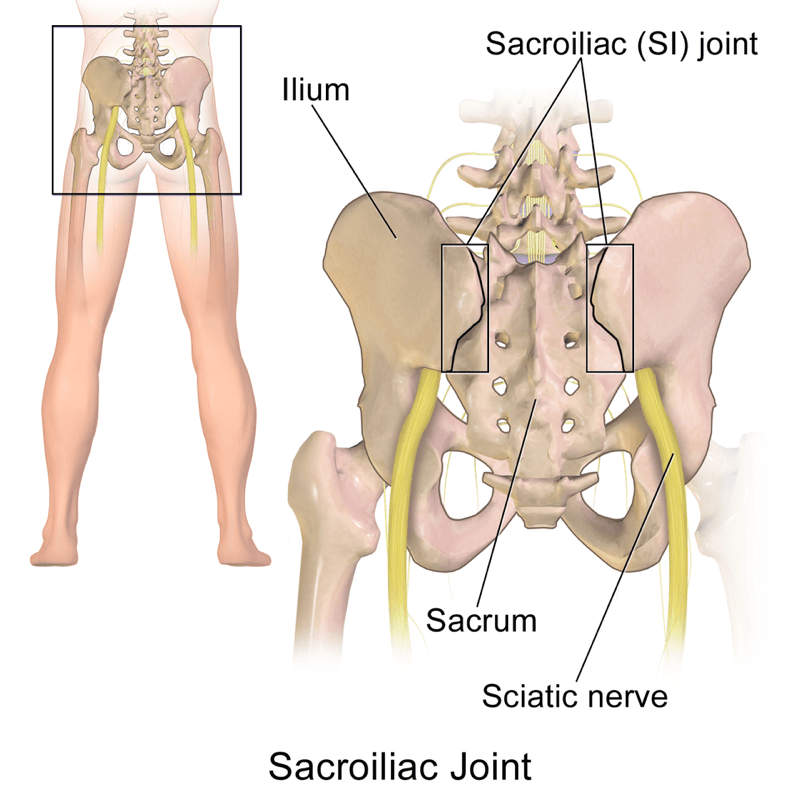
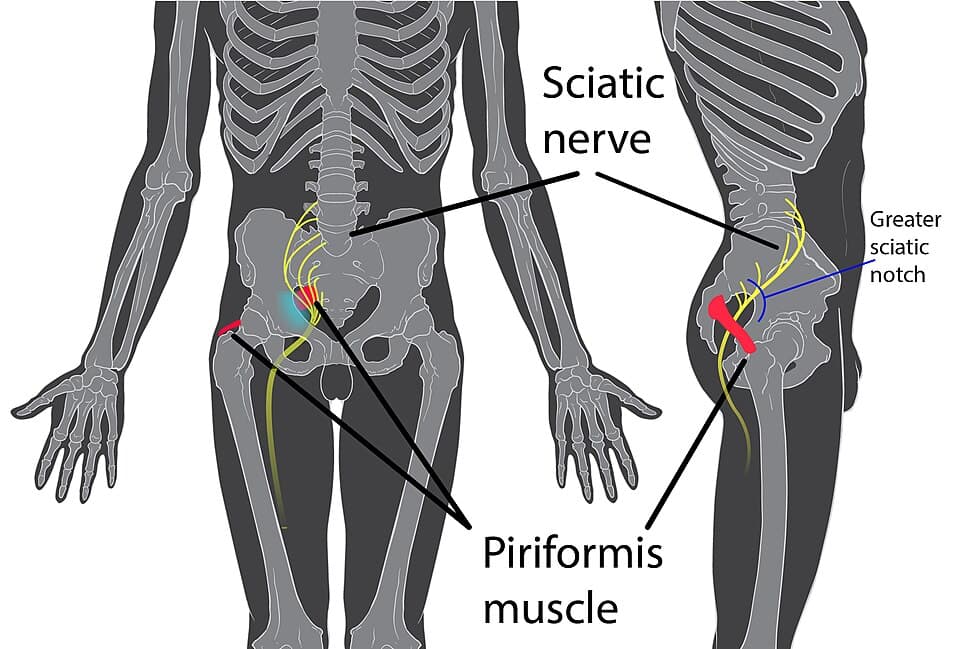
Pain in the buttock or the back of the hip. This usually points toward the SI joint, the low back, or the piriformis muscle rather than the hip socket. Our guides to SI joint pain and piriformis syndrome cover these in depth.
Pain that travels down the leg. This may be nerve-related. See our page on sciatica to learn how to tell a pinched nerve from muscle referral.
Many people have more than one of these at once.
Why the Pelvis Is So Often the Real Problem
Your pelvis is a ring made of the sacrum at the back and two hip bones joined at the front. The two hip sockets sit on the sides of that ring. If one side of the pelvis rotates, tilts, or locks down at the SI joint, the hip socket on that side is suddenly working at the wrong angle. The ball no longer sits in the cup the way it was designed to, and the muscles around it have to compensate.
Compensation is what you actually feel. A gluteal muscle that stops firing well overworks its neighbors. A tight hip flexor pulls on the low back. The tendons on the outer hip get pinched and irritated with every step. Over months, the hip hurts, even though the original problem was in the foundation.
I describe the body as one system: spine, organs, and cranium working together. Treating only the sore spot is why so many people get temporary relief and then watch the pain return.
Common Everyday Causes We See in San Antonio
Long sitting on commutes and desk days (short hip flexors, sleepy glutes), old ankle or fall injuries that changed how you load one leg, running or golf on a stiff pelvis, pregnancy and postpartum ligament changes (see our postpartum chiropractic page), and ordinary joint wear that pelvic imbalance can make more painful.
How We Evaluate Hip Pain at Pura Vida
Your first visit is a real examination, not a quick adjustment. We take a history, look at how you stand and walk, and test joint motion in the hips, the SI joints, and the lumbar spine. Using the Sacro Occipital Technique (SOT) category system, I look for the pattern of pelvic imbalance that is driving the problem, because the right correction depends on the pattern. If your history or exam suggests something that needs imaging or a different specialist, we'll say so.
How We Treat It
Gentle pelvic correction with SOT. Dr. Foss is Advanced SOT certified. SOT uses specific positioning, often with padded blocks that let gravity assist, to help the pelvis and SI joints regain balanced motion. It does not rely on forceful twisting, so it is a good fit for sensitive hips, older adults, and anyone who is nervous about being cracked. Learn more about SOT chiropractic.
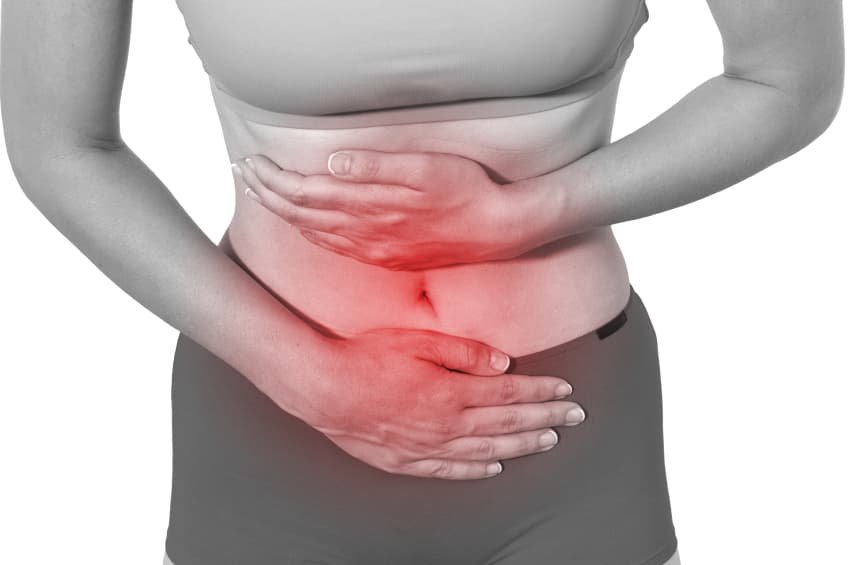
CMRT, organ-reflex work. Some hip and low-back pain patterns are influenced by reflexes tied to the abdominal organs and the muscles of the pelvis and thigh. Chiropractic Manipulative Reflex Technique (CMRT) addresses these reflexes. This is part of why we look at the whole system rather than the joint in isolation.
Cranial work when it applies. When the exam points that way, gentle cranial adjusting is part of the picture, since the sacrum and cranium are linked through the membranes around the spinal cord.
Supportive therapies. For stubborn tendon irritation on the outer hip, acoustic wave therapy may help support tissue healing, and Class IV laser may help calm inflammation. Not everyone needs these.
Results vary. Recent, mechanical pain often responds sooner than pain that has lasted for years, and you'll get a realistic expectation after your exam.
When Hip Pain Is Not a Chiropractic Problem
Please get medical care promptly, before booking with us, if you have any of these:
- Hip pain after a fall or injury, especially if you cannot put weight on the leg or the leg looks shortened or turned out. This may be a fracture, and it is an emergency.
- Hip pain with fever, chills, redness, or warmth over the joint, which can signal infection.
- Constant, deep hip or groin pain at night that does not change with position, particularly if you have a history of cancer, long-term steroid use, or heavy alcohol use.
- New numbness in the groin or saddle area, trouble controlling your bladder or bowels, or leg weakness that is getting worse. Go to the emergency room.
- A swollen, painful, warm calf along with leg pain, which can be a blood clot.
- A child who limps or complains of hip or knee pain without a clear injury. Children need a pediatric evaluation.
If imaging shows advanced joint degeneration with severe, constant pain, a hip replacement consultation may be the right path. We would rather tell you that than keep you coming in. Never stop or change a prescribed medication without talking to the doctor who prescribed it.
Frequently Asked Questions
Can a chiropractor help with hip pain? Often, yes, when the pain is mechanical and linked to the pelvis, SI joint, low back, or muscle imbalance. A chiropractor cannot fix a fractured hip or reverse advanced arthritis, and a good one will tell you when a referral is the better choice.
Why does my hip hurt when I lie on my side? Pain on the outer hip when lying on that side is commonly tendon and bursa irritation related to pelvic tilt and weak gluteal muscles. Putting a pillow between your knees and sleeping on the less painful side can reduce the pressure while the cause is addressed.
Do I need an X-ray or MRI first? Not always. If your history or exam raises concern, or the pain has not changed after a reasonable period of care, we will refer you for imaging. See our page on X-rays at our office.
Hip Pain Care for Castle Hills, Shavano Park, Stone Oak, and Beyond
Pura Vida Chiropractic serves patients across San Antonio, including Castle Hills, Shavano Park, Stone Oak, Alamo Heights, Olmos Park, and Helotes, in English and Spanish. Read more about hip, knee, foot, and ankle pain care or our related guide to knee pain.
Call (210) 685-1994 or book a free consultation. We are at 2318 NW Military Hwy, Suite 103, San Antonio, TX 78231.