Restless Legs: Is It Actually RLS, or Something That Looks Exactly Like It?
Restless legs can be true RLS, low iron stores, or a lumbar nerve problem wearing a disguise. Dr. Dan Foss, DC explains how to tell, and the one lab test worth asking for. San Antonio. (210) 685-1994.
On this page
I want to start this one with something a chiropractor isn't supposed to say: if you have genuine restless leg syndrome, chiropractic care is not the treatment for it.
RLS is a neurological condition. It has real medical management, and the person who should be directing that is your physician.
But here's why this page exists anyway. A significant share of the people who come to me saying "I have restless legs" don't have RLS. They have a lumbar nerve root problem, a peripheral neuropathy, or a sciatic nerve being compressed somewhere along its course — and all three can produce an almost identical experience of legs that won't settle at night. Those are very much my department. Sorting out which one you're dealing with is the single most useful thing that can happen at your first visit.
What True RLS Actually Looks Like
Clinicians identify RLS by a specific cluster of features, and it's worth knowing them because the pattern is distinctive:
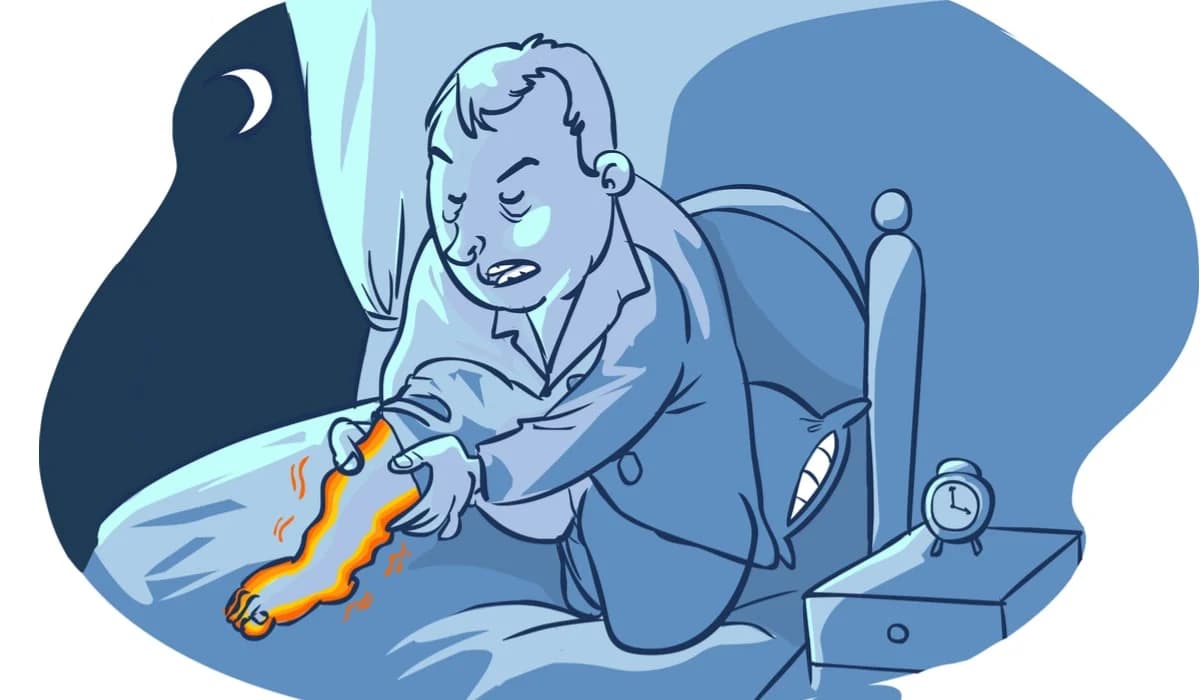
- An urge to move the legs, usually accompanied by an uncomfortable sensation that's hard to describe — crawling, fizzing, pulling, "electric," or simply wrong. Patients often say it isn't really pain.
- It's worse at rest. Sitting still or lying down brings it on.
- Movement relieves it. Getting up and walking helps, at least while you're moving. This is the most characteristic feature of all.
- It's worse in the evening and at night, with a genuine circadian pattern rather than just "I notice it more when I'm still."
If you read that list and thought yes, all four — particularly the relief-with-movement part — you're likely dealing with true RLS, and your next stop is a physician rather than my office.
The One Lab Value Worth Asking About
If you take nothing else from this page, take this: ask your doctor to check your ferritin, not just a standard blood count.
Iron status in the brain is central to RLS, and low iron stores are one of the most common and most correctable contributors. The catch is that you can have a completely normal hemoglobin and red blood cell count — a "normal CBC" — while your ferritin, which reflects stored iron, is low. A patient gets told their blood work is fine and the conversation ends there.
This matters especially for women who menstruate heavily, anyone recently pregnant, people with kidney disease, and frequent blood donors. It's also worth reviewing your medication list with your prescriber, because several common drug classes — including some antidepressants, antihistamines, and anti-nausea medications — are known to aggravate restless legs.
A note I'll make carefully: RLS medications require real oversight, and some can become less effective or paradoxically worsen symptoms over long-term use. That's a conversation for the physician who prescribes them. Do not change or stop any medication based on something you read here, this page included.
The Mimics — and This Is My Part
Now the part I can actually help with. Several conditions produce restless, aching, crawling legs at night and are routinely mislabeled as RLS:
Lumbar nerve root irritation. A compressed nerve root in the low back can produce aching, tingling, and a need to shift position constantly. The distinguishing feature is that it follows a path — down the back or side of one leg — rather than affecting both legs diffusely. See radiculopathy and pinched nerve.
Peripheral neuropathy. Burning, numbness, and pins-and-needles in the feet that worsen at night is a neuropathy pattern, not an RLS pattern — and critically, movement doesn't reliably relieve it. See neuropathy and numbness and tingling.
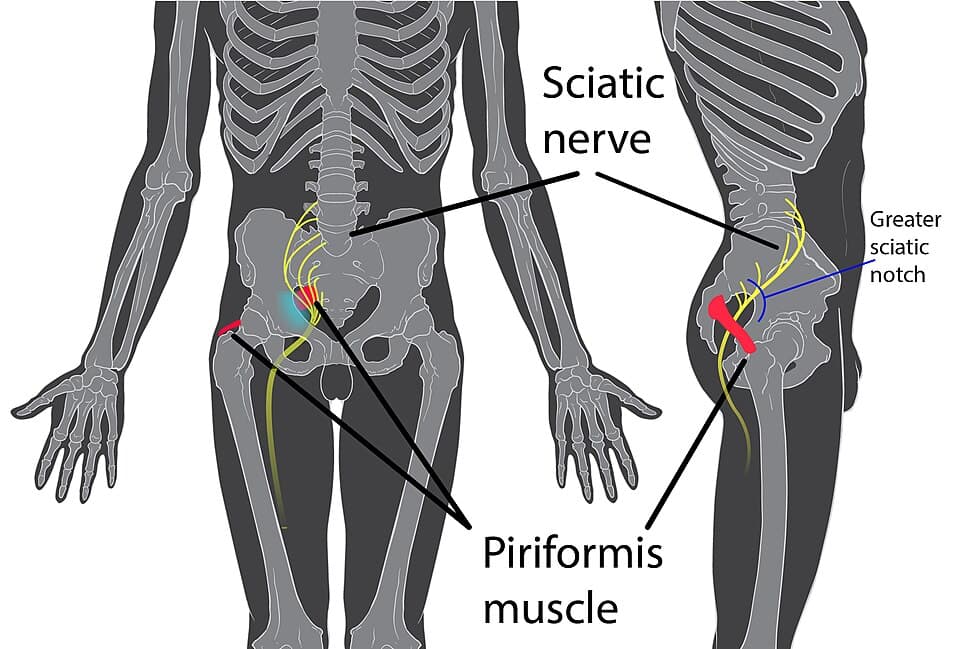
Sciatic nerve compression in the buttock. Piriformis syndrome can produce leg symptoms that flare after a day of sitting, which is also the time of day RLS peaks — so the timing overlap fools people constantly.
The honest reality is that these coexist with RLS more often than either gets sorted out. Someone can have genuine RLS and an irritated L5 nerve root stacking on top of it. Treating the mechanical layer doesn't cure the RLS, but it can reduce the total amount of noise your nervous system is dealing with at night.
Why Night-Time Makes Everything Louder
There's a reason all of these are worse in bed, and it isn't only circadian. During the day, movement and distraction mask a lot; lying still removes both. If your nervous system is running sympathetic-dominant — the accelerator stuck partially on — the baseline level of sensory noise is higher and the threshold for noticing it is lower. This is the same mechanism I described in insomnia and your nervous system, and the overlap runs both directions: the legs wreck the sleep, and the sleep debt lowers your tolerance for the legs.
That autonomic piece is something spinal and cranial work can legitimately influence. It's not a cure for RLS. It may change how loud the evening is.
What a Visit Looks Like
- Sort the diagnosis first. Do you meet the RLS pattern, or do symptoms follow a nerve distribution? Is movement genuinely relieving, or does it just distract? This is a history and exam question, and it determines everything.
- Refer when referral is what you need. If it looks like true RLS, I'll say so and tell you what to ask your physician for — starting with that ferritin.
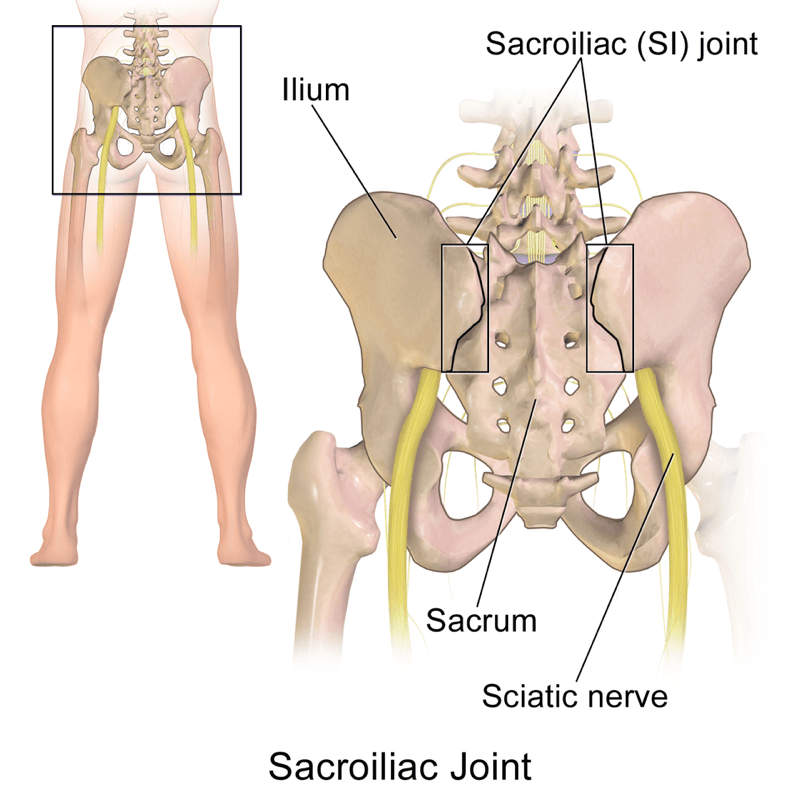
- Address the mechanical contributors where they exist: lumbar segments, pelvis and sacrum via SOT low-force work, and the deep gluteal region where the sciatic nerve is vulnerable.
- Support the nerve tissue with Class IV laser therapy where peripheral nerve irritation is part of the picture.
- Look at the whole load — caffeine and alcohol timing, evening screens, and how many hours a day you're sitting.
I'll be straightforward about expectations. Patients whose problem turns out to be mechanical often do well. Patients with genuine RLS may get some benefit from better spinal mechanics and a calmer nervous system, but the condition needs medical management, and I'd rather tell you that at visit one than take your money for twelve visits finding out.
Frequently Asked Questions
Can a chiropractor cure restless leg syndrome? No, and be cautious of anyone who says otherwise. What a chiropractor can do is determine whether your restless legs are actually RLS or one of several nerve and mechanical conditions that imitate it, treat those conditions when they're present, and address the spinal and autonomic factors that make evening symptoms louder. For true RLS, that's supportive care alongside medical management, not a replacement for it.
How do I know if it's RLS or my back? The clearest test is whether movement reliably relieves it. In RLS, getting up and walking helps almost every time. Nerve-root and neuropathy symptoms don't respond that predictably, and they usually follow a path down one leg rather than affecting both diffusely. Symptoms in a specific stripe of the leg, or with back pain, point toward the spine.
Should I be stretching or walking at night? If movement helps, use it — fighting the urge to move usually makes the evening worse. What I'd avoid is aggressive stretching that reproduces shooting pain down the leg, which suggests you're loading an irritated nerve rather than settling a restless one.
If Your Legs Are Costing You Sleep
The worst outcome here is spending years being treated for the wrong thing. Some people are told they have RLS when they have a treatable nerve compression. Others get spinal treatment for months when what they needed was a ferritin test and a conversation with their doctor. Getting the category right is most of the work, and it doesn't take long.
We see patients across San Antonio — Castle Hills, Shavano Park, Stone Oak, Alamo Heights, Olmos Park, and Helotes — in English and Spanish. More on our restless leg syndrome page, and on the nutritional side in vitamins, minerals and natural health.
Call (210) 685-1994 or book a free consultation. We're at 2318 NW Military Hwy Suite 103, San Antonio, TX 78231.